Men And Their Fathers

Most of the men are poor in openly expressing their emotions, love for the men they love. Fathers are an important entity in this group.
In the vast ocean of unexpressed masculine love and the unexpressed emotions between father and son, James Blunt’s “Monsters” stands like a lighthouse. “Monsters” is not just about acceptance of father by his son or a love letter of a son to his beloved father; it is more than that. It shows how a good upbringing can create better sons for tomorrow. No doubt mothers are more than enough to create better children and better people for tomorrow but we need good fathers – sensitive fathers to create better sons for today and better fathers for tomorrow. Responsibility thus lies at the core of manliness which gets glorified through this fatherhood. It also shows the sensitive side of masculinity. This song is all about that.

On the song called “Monsters” by James Blunt

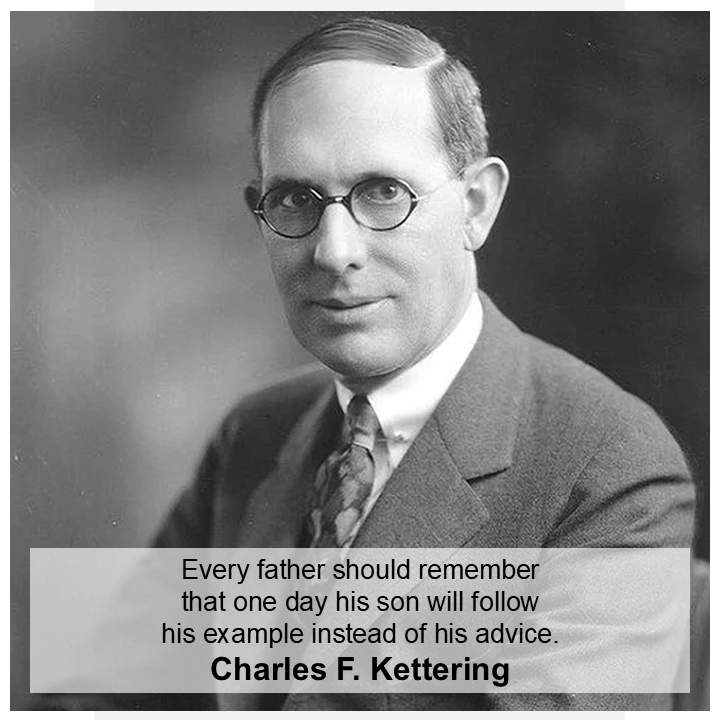
By the time a man realizes that maybe his father was right, he usually has a son who thinks he is wrong

– Charles Wadsworth

They say when you can’t tell someone what you are feeling or when words are falling short to express those unsaid emotions music is the best medium. Everyone of us has this group of songs which snugly fits with certain emotions we hold inside especially the emotions which we hesitate to express openly. Believe me that these songs are not just love songs or romantic songs, if you ask people when they are comfortable around you, you will realize that there exists a wide spectrum of emotions people never expressed or couldn’t express just because they couldn’t find proper words.

Talking about emotional people and the hesitation to express them openly, there exists a group of relationships where people rarely express their emotions even though their counterparts know that what those feelings are.

I am talking about boy-boy relation, man-man relationship, boy-man relationship – please note that its not just about romantic relationship in men. It is beyond that, and given that men hesitate to express those many times, I too am finding it difficult to write this down in a convincing way – about how men feel for other men.

In this ongoing but intentionally ignored realization, I came across a song which helped me to express the feeling that I had but never was able to connect to the reality of words. Boys, men rarely do that. That is exactly why music is so powerful, it is an enabler for those who are failing, hesitating to express what they are feeling.

I came across a song called Monsters by James Blunt where the son expresses how strongly he appreciates what his father did for him and also guarantees that his father’s legacy will live through his son by being the next responsible father figure for the family.

The lyrics is credited to Jimmy Hogarth, James Blunt, Amy Victoria Wadge.

This is about that song. You will find many references/ interviews on internet to explain why James made this song.

This is about what I saw through this song.

Oh, before they turn off all the lights
I won't read you your wrongs or your rights
The time has gone
I'll tell you goodnight, close the door
Tell you I love you once more
The time has gone
So here it is

As far as the song goes it is about a boy telling his father how he is opening his heart out in front of him. The metaphor of turning off the lights and saying good night shows that it’s the father who is going to sleep and the son is turning off the lights for him, closing the door for him and saying good night.

The use of the metaphor of the night time routine between parents (especially father in this case) and the children (the son in this case) is really beautiful here. The son turning off the lights and saying good night to his father shows how the roles have switched. It shows how the son has accepted the responsibility of fatherhood. It’s not just a normal night for his father it’s the long night and final slumber for his father. The son is very well aware of this and thus considers it as the responsibility to respect what his father trained and nurtured him for.

The realization of final moments of his father made the son express his feelings for him. The feelings which were never expressed openly before. Knowing that there is very short time left for father, the son wants to share the emotion that he really loves his father.

One important thing which is woven in the flow of emotions by the songwriters that I liked very much is the idea of completely rejecting the notion of rights and wrongs done by father (as much as the son thinks) throughout his life.    

This notion of person not being right or wrong but just a human being gets expanded more in the next verse.

I'm not your son, you're not my father
We're just two grown men saying goodbye
No need to forgive, no need to forget
I know your mistakes and you know mine
And while you're sleeping, I'll try to make you proud
So, daddy, won't you just close your eyes?
Don't be afraid, it's my turn
To chase the monsters away

It is only when the son accepts fatherhood, becomes father or at least assumes the role of father figure then he realizes that his father was just a human being who did everything that was possible in his capacity.

This is very important aspect of a son becoming father. As long as father was there especially when the son is a young adult, father was just a person who was a lost cause. This is one of the most common behaviors among young boys. Everything their father did feels wrong in this way or the other way for boys.

But it is only when the boys themselves become men (literally and/or figuratively) they understand and appreciate how their fathers raised them. This is exactly why when the son is telling his father that ‘he won’t mention rights and wrongs that his father did’ – he is actually respecting the efforts of his father – the lengths to which his father went to ensure better life for his son. He has understood that in the end we are all human beings – we are not perfect – neither right nor wrong.
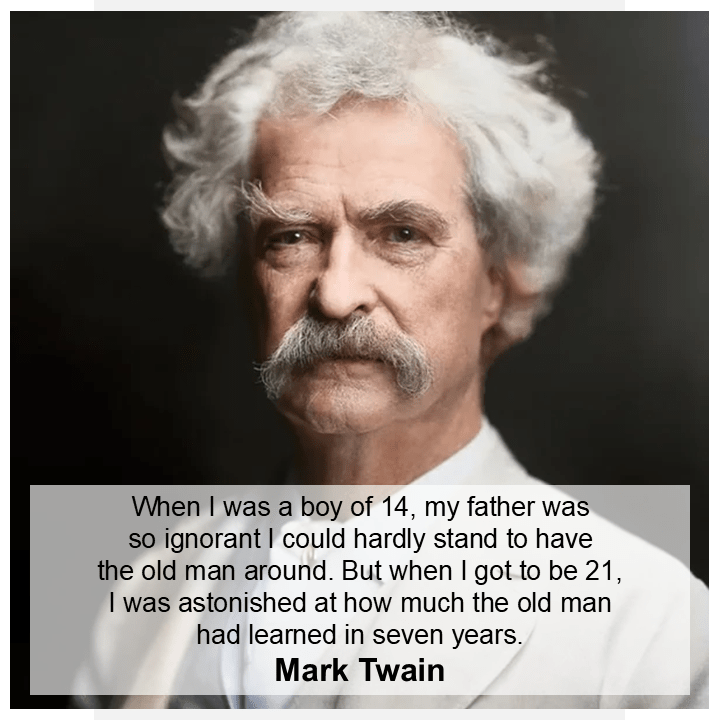
When the son is telling his father to not judge each other, it is him accepting his father as a human being. It’s the evolution of that teenage boy’s mentality into a man – the father figure. The songwriters have beautifully captured this change from boy to man. A boy always sees his father’s actions decisions as foolish, unreliable and wrong but the moment he puts his feet in the shoes that his father wore he realizes that all his father did was to give the best to his son, to his family. He also realizes how wrong he was when he was judging his father from a single point of view. That is exactly why the boy is telling his father that we both know how flawed we are – how flawed we humans are but in spite of that we are living together, we are accepting each other. This is the spirit of humanity shown through the mature relationship of the son and his father. I loved how songwriters put the act of recognition of mistakes more important than the act of either forgiving them or forgetting them. It removes any type of attribution or the notion of right-ness and wrong-ness for any mistake. I feel that the moment someone starts noticing that there is always some aspect beyond right and wrong for everything is the moment when that person truly understands the reality – the nature of things, such person is able to see right through the things. Most often this is sign of maturity.

There is difference between growing old and getting matured. Songwriters have very well created that feeling here. Son even though being younger than his father has started appreciating what his father handled for him and the family. This is exactly where the song comes alive – especially lyrics for me. It truly catches the essence of fatherhood. The son tells father that now its his turn to chase the monsters away.

The monsters could be any adversity that the family would have been exposed to. For me the notion of “chasing the monsters away” is very powerful way to show essence of fatherhood and father’s love. It also shows how the nature of father’s love completely differs from mother’s love; this difference itself sometimes creates the sense of superiority of motherly love over fatherly love. No doubt mothers are supreme caregiver to their children but that also should not reduce what fathers do and feel for their children. Fathers are the doorkeepers for the adversities before they could harm their families and most of the time the family rarely notices what harm was prevented. I mean if they are not even noticing what harm could have done to them this means that the job of protection was performed in perfect manner. That is the actual job for a fatherly figure – to not even let anyone get uncomfortable because something bad will hit them.  

The son appreciates this and consoles his father that now he will take the tougher responsibilities which his father carried for the family, now he will become the man of the family and make him proud. One more beautiful thing happens here is the childhood callback between father and son. When the son is scared of the monsters under his bed and father telling him the story so that he could sleep well and telling him that he will chase those monsters away for him. Now that the son has grown up the attribution of monsters is changed, now these are the monsters that exist in the world in reality.

One beautiful thing to notice here is the moment when father confides his young son that he will chase away the monsters under his bed – he is completely aware that what real monsters he is chasing away for his son and the family. Only that the son’s young age would be scared and afraid to handle those real monsters father makes sure that he is protected from these adversities or at least the awareness of those adversities.

The bridge that the idea of “chasing away monsters” and the role reversal between son and his father shows what it means to be a man in this world.

Oh, well, I'll read a story to you
Only difference is this one is true
The time has gone
I folded your clothes on the chair
I hope you sleep well, don't be scared
The time has gone
So here it is
Sleep a lifetime
Yes, and breathe a last word
You can feel my hand on your own
I will be the last one
So I'll leave a light on
Let there be no darkness, in your heart

One important thing that men are taught right from their childhood is to become tough and strong. That tenderness, vulnerability and emotional inclination is a sign of weakness. Men have never followed this advice completely to their heart. They have just mastered the art of masking their tenderness – hiding it in a way to create an illusion of its nonexistence.

The way son is telling his father that he will read a story to him, fold his clothes shows that son’s masculinity holds that tenderness of love for his father – he has learnt that from his father.

One emotional part of this song for me is the next part. The part where the light and darkness are used as a bridge between the earlier fatherhood of the father and then the fatherhood of his son. It shows how a boy matures into father and thereby the real man. Light here signifies the hope for better times the son will keep on bringing when his father won’t be there. When the son asks father to have no darkness – it’s the darkness of the bitterness created over time between father and son due to some disagreements. It could be my overthinking playing here but the songwriters have also pointed out this common phenomenon between fathers and their sons. Right from the adolescence sons get many chances to notice and count the mistakes their father committed and consider them the most incapable, imperfect person in the world. It is only when the same sons take the responsibility of the fatherhood that they realize how hard it is and what actually their fathers sacrificed for them and the family. Men have this unrealized habit of not coming to terms with things with other men especially the men they love because of the unconscious habit of suppressing the emotions and vulnerability. Men rarely accept the mistake to other men – they will generally get along with the act of apologizing without it happening formally. The bitterness between the relationships is hidden in these deep cracks. So, when the son is telling his father to have no darkness in his heart n his last moments, he is actually apologizing to his father for always judging him for his flaws and imperfections. The father is feeling sad because he could not live up to the standards, expectations that his son had for him. This is some part of the said “darkness”. Son is finally telling his father that now that he has assumed the fatherhood, he appreciates all that his father did for the family and for him even though mistakes were made, bad decisions were taken and he couldn’t be “the perfect father” but in the end, we are all humans. The son is consoling his father that there is nothing to worry because he will be following his father’s legacy.             
But I'm not your son, you're not my father
We're just two grown men saying goodbye
No need to forgive, no need to forget
I know your mistakes and you know mine
And while you're sleeping, I'll try to make you proud
So, daddy, won't you just close your eyes?
Don't be afraid, it's my turn
To chase the monsters away

It’s the final goodbye of a son to his father when he is telling that he will try to be a better son by accepting the responsibility of fatherhood through the legacy his father gave him. His father will now through him.    

Men And Their Fathers

I have no opinion against the greatness of motherhood and the feminine capacity to express and demonstrate love for their children. What itches me is the ignorance towards the capacity of men to love their children as equal as the mothers. Maybe the reason lies in the incapability of men to actually and openly express love for their loved ones. It could have happened because men are trained to demonstrate masculinity through the attributes of strength and showing emotional neutrality. This has now been an unconscious habit among most of the men. A daughter with strong emotional sensitivity imparted due to her femininity can deeply understand what a fatherly love is but she can rarely understand and appreciate what the masculine side of that fatherly love is. A son very well knows what his father had in his mind all along this time the moment he assumes the fatherhood. It’s not necessary that the boy should bear a child or become father in reality. Mere acceptance of the responsibility triggers this mindset in boys. Most of the men are very poor in openly expressing the emotions, love for others especially other men they love. Fathers are the most difficult men in this group of loved ones (trust me on the basis of me being a man). Most often a boy could openly express his love for that girl in public in spite of being an introvert – he would cross that valley of insecurity for her. But same is not the case for men he loves – specifically a fatherly love. Boys show love for fatherly figures mostly through respect and assumption as the next responsible person in the line. “Monsters” by James Blunt is one such love letter from a son to his father. In the vast ocean of unexpressed masculine love and the unexpressed emotions between father and son, I think this song stands like a lighthouse. The most expected response for a man’s confession of love to other fatherly, manly figure (like a simple sentence “I love you father for all that you did for us, for me”) is a big laughter followed by comment similar to – “Are you OK?! What happened to you?” Men hesitate to accept the comment of being loved too. A father by default considers his execution of his responsibilities without the expectations of returned favor or appreciation or recognition. Men are rarely hardwired to accept recognition for being responsible and that is also may be why for some men in some cases it is easy to run away from the responsibilities. Fatherhood or feeling of fatherhood rarely allows that escape. It’s a commitment of a man to himself which makes him the real man.

The Monsters is not just about acceptance of father by his son or a love letter of a son to his beloved father. It is more than that. It shows how a good upbringing can create better sons for tomorrow. No doubt mothers are more than enough to create better children and better people for tomorrow but we need fathers – sensitive fathers to create better sons today and better fathers tomorrow. Responsibility thus lies at the core of manliness which gets glorified through this fatherhood. Assumption of fatherhood (sometimes physical and mental/ emotional fatherhood in each and every time) is the highest level any man can secure in this human world. So, Monsters is that handover of that legacy of true manliness from a father to his son. What could calm a father more than the awareness that his son has assumed the fatherhood, his son has grown up to be a real man! That his son has learnt to stand strong in adversities. That his son has become responsible. That his son has learnt to stand down against the short-term pleasures for the betterment of his family. That his son has mastered to chase away the monsters of his life. Fatherhood can give purpose to any directionless man. That is also why unstable society needs better fathers.
For me this is the song which answers the question – “Why the world needs good fathers along with good mothers?” It also shows why father’s role is also important in the upbringing of children especially boys.
One more thing – “I love you Pappa”

The Model Millionaire – Attributes of True Wealth

Oscar Wilde’s short story “The Model Millionaire” is a story depicting the boomerang of kindness. It also tries to fuse the importance of tangible assets like money and intangible/ non-physical assets like kindness/ love/ art in our lives. It shows how the balance between these separate attributes can create a true rich life.

Oscar Wilde’s short story called “The Model Millionaire”

Fiction is the lie through which we tell the truth.

Albert Camus

Stories we cherish – especially short stories which tickle our brains have huge impact on our personality. The shortness of tightly woven multiple events inherently brings out the simplicity and invite intrigue in readers. All of us have such favorite stories which we would love to remember forever for the lessons they provide, the happiness they create. Most of such stories we love belong to the chapters in our textbooks, school books. There are many short stories which fall into exactly similar category of being a textbook chapters as if they are not that deep enough and simply convey what is to be conveyed. They get the job done within few pages thereby giving readers a worthy payoff.

It is a cakewalk for readers to enjoy such short stories and interpret the message which author/ writer is trying to convey. Sometimes there is nothing to learn or any hidden message to covey through the story, the intent is to invoke certain emotion in readers. It is a joy to appreciate such stories from readers’ perspective.

It is also crucial and highly underrated to understand what was going in the writers’ mind when they penned down such stories, especially for the of case short stories. This happens frequently in terms of short stories due to their simple, short presentation. You read, get entertained and move on to the next one. 

It is very important to understand the simplicity of such stories and so called- “entertaining” word-play. The writers of such stories make every conscious effort to simplify the narrative and convey the meaning. The simplicity is not inherent rather it is intentional and full of efforts – the hidden tediousness. If you are reading an interesting story, it’s not because writer just wrote what came to his mind showcasing his brilliance; it is interesting because writer had created multiple perspectives, personalities – I would say pseudo- readers to establish the narrative and remove the confusion from the story. Writers just wear this mask of the characters from their stories to fearlessly express what they feel about the reality.

Man is least himself when he talks in his own person. Give him a mask, and he will tell you the truth.

Oscar Wilde

We will see one such simple, high school textbook-worthy yet an interesting short story written by Oscar Wilde called “The Model Millionaire”. The story is flawless in such a way that the plot can be explained in 10-15 lines. The real beauty lies in how Oscar Wilde saw the world and expressed it through the characters in this story.

Plot

Hughie Erskin is a young, good looking but incompetent (according to the mainstream social standards) – a kind of below average man. As he has not proven his worth, has no money he is struggling to find the rhythm of life and marry his love of life – Laura Merton. One day he finds his painter friend – Alan Trevor – painting a life size beggar-man. Hughie feels very sad about how the beggar has to go through this sitting session where he won’t get just few shillings whereas the painter would earn in thousands by selling this painting. Feeling pity for the beggar-man Hughie gives him most of the money he has – to take care of the matters. Later, Hughie founds out that this beggar-man was actually an exceedingly rich “Baron”, an important person capable of influencing a continent. Hughie feels ashamed of his deeds because he thinks he has insulted the Baron by handing some petty alms.

In the climax, when Hughie feels the moment of confrontation, he prepares to apologize the Baron for what he did. Turns out that all that money, all that power had not polluted the Baron and rewards Hughie for his good deed by offering enough money to get married with Laura. The millionaire who earlier was a portrait model also proves his humble personality as a “model” millionaire.

Opening – Your love and charm will not fill your belly

“Unless one is really wealthy there is no use in being a charming fellow. Romance is the privilege of the rich, not the profession of the unemployed. The poor should be practical and prosaic. It is better to have a permanent income than to be fascinating.”

Oscar is trying to establish some pragmatic thoughts to intensify how big a failure his character is in real life. He uses this established foundation to create a contrasting climax of the story in the end

Oscar Wilde in first few lines depicts the contrast between the attitude of Hughie and how the world around him is constructed. As if Hughie was never meant to live in this world. In the opening of the story Oscar makes every effort to show Hughie’s futile attempts in making a pragmatic living. In every sense Hughie is a failure. Every venture, business (Stock Exchange, trading Tea and Dry Sherry) he tried ended in failure. The legacy of his ancestors (his father’s cavalry sword and 15 volumes of the History of the Peninsular War) is worthless in those modern times. (Even luck is not on his side!)

“Ultimately, he became nothing, a delightful, ineffectual young man with a perfect profile and no profession”

Oscar Wilde is trying to portray a very practical picture of life. One must understand that things are exactly the same today in 21st century. 

When one has not established themselves at least as an average earning independent man then every new luxury, wish is burden. Love is a luxury for a man who hasn’t established himself in society (at least financially).

“To make matters worse, he was in love”

Hughie’s lover’s (Laura’s) father – Retired Colonel Merton likes Hughie but is not ready to hand over his daughter to Hughie for the same practical reasons – Hughie cannot offer Laura a stable life.

“Come to me boy, my boy, when you have got ten thousand pounds of your own, and we will see about it”

Oscar Wilde is trying to show the brutal nature of reality which is extra brutal for daydreaming people like Hughie. (Please keep in mind that the opening is mere single dimension of Hughie’s character, more things about who he is at the core unfold in the later part of the story)

Post opening – Intangible things like art must surrender to physical/tangible media in order to remain relevant in practical world

Hughie has an artist friend called Alan Trevor who paints for living. Oscar shows us that Alan truly is a gifted artist and he earns well through his painting profession. He befriended Hughie (a real-life failure) because he liked his generous and reckless spirit. Being an artist Alan appreciates a kind-hearted and good-looking people irrespective of their social and practical status.

“The only people a painter should know are the people who are bête and beautiful, people who are an artistic pleasure to look at and an intellectual repose to talk to. Men who are dandies and who are darlings rule the world, at least they should do so.”

Whatever Alan thinks, we all know what the reality is.

Middle – An act of kindness

Hughie meets Alan in a session where he is painting a beggar. Hughie feels sad for the beggar for how life is treating him. He somewhere feels that the beggar is more helpless than himself. At least he is in a better condition than the beggar who is modelling for Alan’s painting. He argues with Alan that he should pay the beggar in percentage as Alan will earn a big chunk of money through selling this painting for thousands. The beggar deserves more. Alan argues that he definitely has to put more efforts to paint the beggar than the beggar by just standing still there.

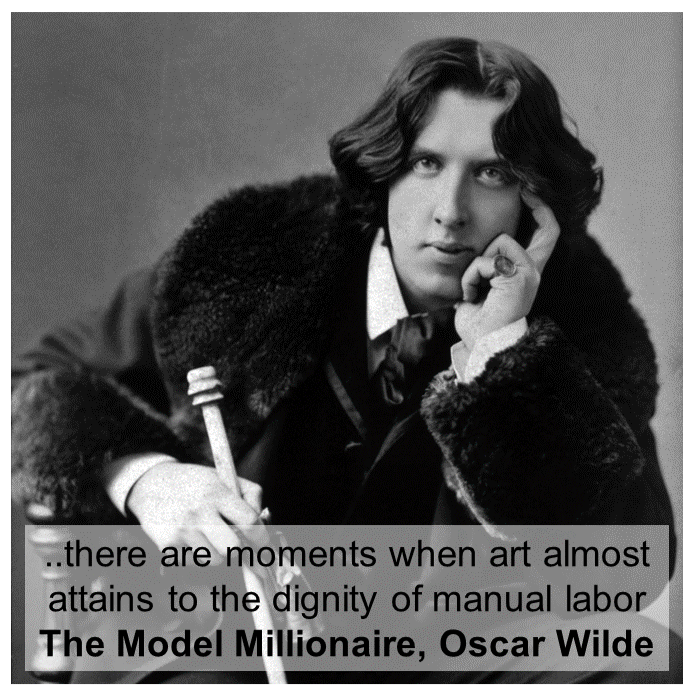
“…there are moments when Art almost attains to the dignity of manual labor…”

This expression by Alan shows that the art may just invoke intangible, non-real things in a person but the process of creation an art is very difficult as it tries to express things which know no bounds/limits through the physical media which have inherent real-life limitations.

Realizing the correctness of Alan’s opinion and at the same time feeling pity for the beggar Hughie gives whatever money he had to the beggar.

This shows another side of Hughie where he is sensitive, he is not just a naïve person who cannot handle the practicality of brutal real life thereby getting labelled as a failure as per the social norms.     

Climax – Kindness is a boomerang

Hughie through his friend Alan realizes that the beggar to whom he donated the money was actually a crazy rich person called Baron Hausberg. A rich person who holds potential, is powerful enough to change the course of every possible thing in society.  Now Hughie feels ashamed of his act. Even though his intent was pure it may get projected as an act of disrespect to Baron Hausberg.

But turns out that Baron Hausberg is a down to earth personality and he returns Hughie’s act of kindness by offering him 10000 pounds required to marry his love of life.

Closing – Artistic, Emotional and Materialistic wealth all can coexist; it narrows down to what kind of human being you are.

Alan expresses that despite having loads of money, Baron Hausberg understands the difference between “having lots of money/ power” and “being wealthy”. That is why this millionaire who was a model for a portrait was also an ideal millionaire – a rare “model millionaire”.     

Baron Hausberg is not the only “Model Millionaire” in this story

This might be my overthinking or over-analysis of the story but bear with me.

Oscar Wild through his cheeky narration and the expressions from his character tries to create a picture of a pragmatic life we human beings live. One must earn money to live in the society. But that is not the only thing which will define him as a model man as an ideal human being.

Baron Hausberg while having loads of money is rich in morals too. He appreciates Hughie’s act of kindness and returns that kindness with the same spirit. The materialistic wealth does not pollute his mindset. That is what makes him the “model” one. Baron Hausberg is the obvious model millionaire of the story, but you must appreciate that the word “millionaire” frees itself from its association with only money. That is exactly what the wordplay between “millionaire model” and “millionaire model” conveys. Being rich was never only associated with having loads of money and possessions.  

That is why Hughie is also a “model millionaire” thereby “a model rich” person. Hughie’s intent to help the helpless people even in the case of not possessing any basic wealth shows his richness in humanistic values. It is just that our mind is not ready to define Hughie as a rich person because the concept of being rich is mostly bound by the quantification of materialistic possessions. Emotional awareness, intellectual awareness, and proficiency in communicating the intangible things are also another versions of wealth.

Talking about the proficiency in communicating the intangibles – Alan is also another “model millionaire” of the story. He is rich in life. He knows how to identify a high spirited yet worthless (by societal definition) person like Alan and befriends him. He can also capitalize his intangible art through painting venture. He respects the labor he has to endure to translate intangible aspects of life into physical reality. (Imagine the reaction of an average art connoisseur when he/she sees a painting of beggar and finds out that the model was crazy rich person! At least from the description, that painting seems a masterpiece with an interesting backstory.) Even the last wordplay between “model” and “millionaire” portrays the artistic wealth that Alan carries.

Baron Hausberg despite being rich can only appreciate the art and is cannot create it (he can ask an artist to create it). Hughie too appreciates the worth of art but cannot create it. That is why I think Alan becomes the most balanced “model millionaire” of the story.

An “Aesthetic” Proof By Contradiction – Love, Kindness And Art Are As Important As Money.

Oscar Wilde in the writing of this short story’s opening establishes very practical aspects of life and the necessity to have enough materialistic possessions. In the beginning, Oscar makes it clear that intangible things like love, affection or good looks cannot solely help a person to meet the ends in this society. Hughie is a complete failure even though he is good looking and kind-hearted. Hughie has found true love and is ready to commit but that is not enough and practical for his future father-in-law. He knows that until and unless he does not get the hold of sufficient money, he will lose his love. Hughie also has two antiques as a legacy from his father but they are described as useless and non-liquid-able assets.

When we read through the event of Alan’s painting session with the beggar model, it is pretty much confirmed that even a seasoned artist like Alan (a person who is much closer to the art and similar intangible things than average masses) understands how important it is to sell the paintings to sustain his artistic profession. Oscar adds Hughie’s point of view in this scene to show that the sufferings of the beggar which brought him to this condition, his efforts to stand still for the painting despite being weak and old are as important as Alan’s painting skills, that is exactly why Hughie demands percentage share for the beggar model.

Alan is successful because he can translate his intangible skill of painting by selling paintings thereby into real money. It’s not because he is artistic or appreciates art. Hughie can appreciate a good art, knows what goes into the laborious process of its creation but doesn’t hold the skill that Alan has.  

Hughie also receives scolding for his extravagant charity from his love Laura. This also shows that pragmatism mostly prevails over intangible emotions.

And to comment on Baron Hausberg, he is the only person in the story who knows the importance of capital possessions, is capable of compounding them for the influence and power – I mean he is filthy rich and respects money. Otherwise, why would he commission a painting of himself as a beggar? He understands what he would become if he doesn’t have that money. If he truly wanted to mock the poverty and beggars, he would have paid some model for the painting assignment. He would not have wasted his valuable time in this assignment.    

Can you see it now?

Oscar Wilde first puts the mind of readers in the practical aspects of living a life. He establishes that emotions, art, love will not put food in your plate at the end of the day, you must go out and do something practical to earn money.

And then Oscar starts showing you the other side of the same people, same events which are fully in contradiction with what he had established as “practical and tangible”.

You will see Hughie getting rewarded for his emotions, kindness and act of charity. Only a fool who is poor will give all he has to another poor person but that does not happen here. Hughie knows what it means to be poor and helpless. It is Hughie’s empathy which makes him rich – a millionaire at heart. Oscar through Hughie’s character shows his readers that love and kindness are also the attributes of a true rich person. Hughie is wealthy by his character. (Hughie could have turned to some malpractices to get the money but Oscar does not inject this intent into the character of Hughie)

Alan Trevor is a kind of bridge in this story. Oscar Wilde developed Alan’s character in such way that he is a double-edged sword in this proof that there are other important things than only capital possessions. Alan can not only appreciate art but also create it and capitalize it. If we are to rank the millionaires by the balance between the possession of tangibles and intangibles in life, then Alan Trevor is the richest of them all. He also knows to identify and befriend kind people like Hughie. Alan has enough money, a skill in hands and company of good people like Hughie and Baron – the ideal and balanced wealth. (There are no ways in which Alan’s character would have become polluted – that is also why his character is the most balanced character of all- he knows ends of the both sides of the society)

Baron Hausberg intends to see himself as a beggar not because he is mocking the poor people, it is his attitude of attributing importance to things which are not money. Oscar Wilde attributes the wish of ‘a rich man to see himself as a beggar’ in a very conscious and artistic way. Baron wishing to picture himself as a beggar through a piece of art shows how much he values art when he is crazy rich. Again, the choice of modelling himself instead of some paid model is his artistic interest. He knows his reality and the depiction in painting will elevate the artistic value of the piece. Also, Baron doesn’t consider the Alan’s act of charity as an insult to his wealth which shows that monetary wealth has not touched his soul. (Baron Hausberg could have been an arrogant filthy rich old man, but Oscar did not projected him in that way)

It is funny how the story turns out in the end. The Model Millionaire is not just about how a good-hearted but helpless person like Hughie got rewarded for his act of kindness by a filthy rich person like Baron Hausberg. It also shows how different non-physical attributes like kindness, love and art equally contribute the a truly wealthy life.

That is where aestheticism come in picture and Oscar Wilde is hailed as ‘the Father of Aestheticism’.

The dictionary definition of aestheticism goes like this:

“A late 19th-century European arts movement which centered on the doctrine that art exists for the sake of its beauty alone, and that it need serve no political, didactic, or other purpose.”

There is this famous quote by Oscar Wilde

“All art is useless”

Oscar Wilde

I think it is an antiphrasis (the rhetorical device of saying the opposite of what is actually meant in such a way that it is obvious what the true intention is)

It’s not just art but its also about intangible things which the art tries to convey i.e., emotions of all sorts. You will realize that when we remove these art-like non-physical attributes from our lives even when we are materialistically filthy rich, that riches would be worthless. I think that is why he creates these contradictions in his story “The Model Millionaire” to show that the balance of tangible and intangible assets makes the person a truly wealthy person. Oscar Wilde fuses the importance of tangible assets like money and intangible assets like kindness/ love/ art through this story.

Oscar also makes a conscious effort to show this fusion through Alan Trevor’s comment on art and manual labor.

In simple words,

What good is being nice if the man has no money to achieve what he desires?

What good is money if the man is not nice?

An extremely emotional poor and an extremely insensitive rich person both are the wrong ends of the reality.

I mean, if Oscar really meant that art is useless then it is literally useless of him to contribute to the prosaic artistry through his writings. He was just messing with our head to prove the importance of the given thing by showing the effect after its absence. It is indeed one smart trick!