
Mr. Toot by Ylvis – What makes an art and its creator successful?

Even though “the best” art creations in the world are better than the average creations as in they stand out of the rest creations thereby making them highlighted, it is also very difficult to point out or to predict what makes these things stand out. It is some sort of paradox. But that is what also reveals what an art really is. This paradox actually restores the uniqueness of every creation. That is why you can never know whether your creation is going to be popular or crash like hell before revealing it to the society.

What makes a certain piece of art – “the art”?

One simple activity; think of your favorite song. The song that gives satisfaction to your ears. Now think why is this song your favorite song? It is very normal that some people (and most of the people) will get confused when asked for a particular song – they will generally have a set of songs in their favorites list, some people are really particular about the genre, some people prefer the singers, some people prefer certain musical instruments, some people love the song because they loved the movie, the game that song was in, some people like that song because they love the fashion sense of the artist. In nutshell, there is no hard and fast formula to a popular, successful song or any art that we love.

Now ask this to yourself – what would happen if you found out the artist that created your favorite song, your favorite painting, your favorite movie, your favorite series, your favorite book is accused of certain misconduct, misbehavior or some unconventional, antisocial, inhuman behavior? Would you still like that song, that piece of an art, that creation?

The answer to this question is somewhat complicated but you know what they say – “it is the poetry and music which have the power to communicate complicated feeling in simple words and melodies.” I have a song to recommend which was exactly created (maybe) for answering this question on our preferences with any creative ventures and their symbols.         

The song is called Mr. Toot by the famous creator duo called Ylvis (“What does the Fox Say?” fame duo). The song is so underrated and hidden in the abyss of at least 8 years from its creation. One would think that people have forgotten this song and make question why a song of such timelessness has not received the recognition it deserves. The vibe this song gives at first is like a silly ballad one sings to make children happy but it has some of the best and simple lyrics, musical hooks and also an impeccable visual story.

Let’s begin and dissect. It’s a simple story told through a song – 

The song and the lyrics

An musical feast from Ylvis called “Mr. Toot”

Come with me to Istanbul, 
Land of turbans, spice and carpets
This is the tale of Mr. Toot,
Legendary music man
Up on the roof he played the Toot,
No one could resist his rhythm
Slave and Sultan side by side,
Dancing dance of Mr. Toot
What’s that sound? Is it him?
Did you see a shadow moving?
Everybody - Quiet, quiet,
can you hear him? - Mr. Toot!
Play it, Mr. Toot!

So the out storyteller takes us to Istanbul where a Toot player is very famous for his instrument. People adore him for his command on this musical instrument “Toot”. This Mr. toot is such a  skillful and creative person that his music tempts everyone in the area to dance on his music. It is the equalizer in the city because Slaves and Master dance shoulder to shoulder on his music. People encourage him to play his toot.

Ladies kissed him on the belly, 
Children dressed like him in school
He ate caviar and jelly,
Bought a modern swimming pool

Soon Mr. Toot became popular, ladies always appreciated him. He became idol in the area, children admired him. He started enjoying exotic foods and did some “pool parties”.

Yes, Mr. Toot got greedy, 
Wanted even better Toot
Threw the Toot from highest tower,
Bought a fancy MIDI Toot
Then a poster in the city,
Mr. Ibanez tonight Modern show with modern music,
Smoke machine and laser light
Play it, Mr. Toot!

With this popularity, Mr. Toot became more ambitious. He wished for more advanced instrument where he could create new music and please his audience. He made all the publicity in the city with new name, new branding, new visuals of smoke and lasers. People came to listen to this new version of Mr. Toot as Mr. Ibanez but when he started playing with his “Fancy” MIDI Toot, people disliked him. Nobody liked what he evolved into. Turns out people actually loved the old version of Mr. Toot!

That was the end of Mr. Toot, 
He was never to return
Though you can kill the man,
You can never kill the Toot
Play it, Mr. Toot!

This is how the story of Mr. Toot (now greedy Mr. Toot) ends. From visuals of the song, you will see that someone from his admirers – a children in the city again picks the Toot and starts playing, people appreciate him. That is when we realize that it was the toot and not the toot player that people loved. So, play it Mr. Toot (the brand new Mr. Toot) People have assigned new king on the throne of their hearts now – that kid with Toot – the new Mr. Toot!

The background of the song
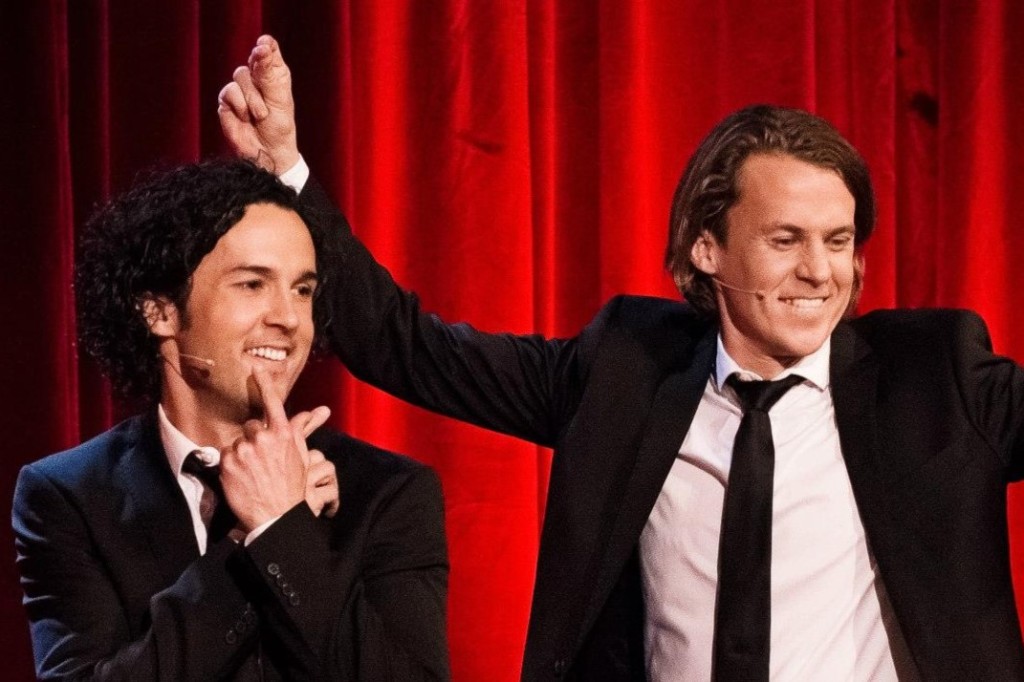
The sensational Ylvis bros

Ylvis is a duo of Norwegian brothers – Vegard and Bård Ylvisåker. They have very comedic presence in popular culture and are known for one of the weirdest but catchy song called “The Fox (What does the fox say?)” This “The Fox” song has such nonsensical lyrics and equally nonsensical music composition that one would really question their choices for a while but the same person will appreciate the “vibes” it creates. One cannot resist grooving to that song. Mr. Toot song’s musical composition is largely based on a song called Adir Adirim by Israeli music group Balkan Beat Box (BBB) with Victoria Hanna. Adir Adirim in simple words is the praise of the Lord Almighty (Link in references).

The song Mr. Toot adopts only the music from Adir Adirim and builds a story through its independent lyrics. When there is this moment of Mr. Toot experimenting with MIDI toot, the music gives some fantastic melody with improvisation which sounds good but, in the video, you will find that people disliked that improvised melody.

Toot world is derived from an actual musical instrument called Oud – one can call it the Arabic or Persian version of Lute.
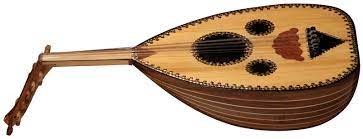
the Oud

The hidden meanings

The song Mr. Toot may seem very simple while listening and an “ear candy” due to its catchy music but it is some sort of dark humor.

There could be multiple interpretations to this song and there is a reason to it.

  • First –

It is a story about how an artist suddenly becomes overconfident about his skills and under calculates the role of his/her followers in his overall success. The artist clearly forgets importance of the auxiliary supporters (in this case “the musical instrument toot”) in his journey to become a legend. You will find many real life examples in music industry or any art industry on this.

  • Second –

The other interpretation is about the labors of creating a piece of art. How risky is it? An artist has to always reinvent himself otherwise he/ she will become irrelevant in the time of change. This is extremely sensitive with the artist who are insanely famous. It is always unknown, ambiguous about the response of the public and their “die hard” followers to such reinvention. The artist misjudges what his target audience is expecting from him/her.

  • Third –

The artist clearly forgets his/her creative pursuit which was what his audience liked about him/her and indulges him/herself in distracting pleasures which actually do not contribute to his art in a constructive way

  • Fourth –

People don’t like the things they love to change drastically. The comfort that certain artist provides for certain art is what people actually love about it in totality. When an artist makes sudden creative change, people consider it no different that a betrayal or a personal attack

  • Fifth –

This one is actually the most distant interpretation but it deserves a mention here. When people realize that the artist whose creation they adore is actually a hollow person from inside or some commoner similar to a normal person among them (a person with no real talents) – do they reject that piece of art that he/ she created? That is where “boycott culture” or “cancel culture” comes in picture. We have many examples where artists, actors, creative people, production houses have behaved in a certain way to redefine the morality in the society. So, does that reduce the love we had for their creations? The answer is unsurprisingly unclear!

There is a reason why there are many interpretations to this song and why people will always have mixed opinions about their close to heart but immorally sourced/ created pieces of art. As if these are moral guilty pleasure for many of us.   

Experimental evidences from Sociology

One experiment was done by a Professor of Sociology from Princeton University – Prof. Matthew J. Salganik and his team on what make a popular creation “popular”? what makes a creative piece – “the creative masterpiece”? In this experiment, they created a website for downloading songs (exactly 48 songs from 18 bands) for some set of people (exactly 14,341 people). These songs were unknown to them, nobody had listened to them before. What they did next is that they created independent eight “worlds” in these groups where only specific information was provided to certain world while downloading the song.

The researchers point out in this study that the information from the “independent world” where no information regarding the songs and the bands where given would create a baseline reading about the quality of the song (Also songs are ordered randomly in this independent world). As nobody in this independent world knows – “what the band is?” or “what the song is?” They will have to actually listen to the songs and then rate it as good or bad. As the listeners of this specific independent world have rated the songs without any influence, this creates a good judgement about the quality of the song which is the baseline of the experiment.

Now researchers provided some preconception about the bands and the song for the other worlds. They included top chart lists, most downloaded lists, most popular bands list to other worlds, songs were ordered by downloads count. Then researchers asked the people to choose their favorite song. In some sense they influenced these people with some social opinions already established.

Upon comparing these top-charts from socially influenced worlds with the uninfluenced independent worlds researchers found out that social influence always plays important role in deciding the success of certain song, certain piece of art. In terms of popular arts, cultural markets –  our choices, preferences are always influenced by social influences. We are always driven by such choices of others while deciding the popularity of a creative piece.

Important thing to understand from this study is the randomness and unpredictability in determining the success of the song. When such social influences interfere, it becomes very difficult to find what made that certain song top in the charts. The opinion of every person is influenced by the last one which keeps on building. Researchers also comment here that it is not the inability or incompetence of judges that makes it difficult to find that “WOW!” factor in the popular song, it is the influence of surrounding society which randomizes their preferences.       

From this study one must also understand how important it becomes to create the story, the brand, the image for making anything popular and successful. How word of mouth can create an overnight success. No wonder the business of social media influencing and profession of influencers (aka Social Influenzas !!!) has became pivotal to built popularity.

It is also important to note that how the popular arts of certain era are actually the reflection of the social constructs of those times, which is fascinating on so many levels. Retro era’s, the 70s, the 80s, disco era are some best examples to prove this. Even in the history of art Renaissance Period – one notable revolutionary period reflects how society at that time was.

It also highlights the importance of popular arts as the cultural footprints in the history of humanity.

Philosophical implications of art and its creator

It is also important to understand that there were some popular pieces of art whose artists were famous for some really bad reasons. So, the moral question posed becomes important here – should society reject the popular art of a notorious artist? Can a great art be separated from its bad creator?

Plato in his famous book “the Republic” threw some light on the morality of the art. He argued that art is always influential; that is why it invokes certain feeling in people, it creates an imitation of reality which can be totally different from the reality sometimes. This makes the creation of art misleading to people and can inspire them in negative ways too.

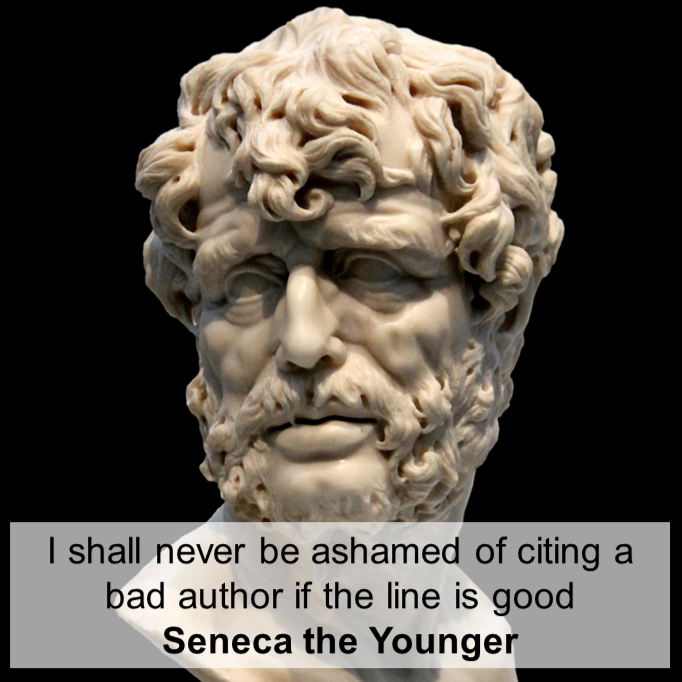
Seneca – a philosopher known for stoicism clearly establishes that it is the out-coming influence this art creates which will decide whether it is good or bad independent of its creator. It is always the end effect, last influence of art (which is unpredictable due to the randomness generated from social influences)
Conclusion

Important thing here is that there are many factors, many ways in which an art can influence people. As it is really difficult to pinpoint the “WOW” factor of the popular art; it is equally difficult to predict what part of an art would trigger the social construct.

In other words, there is no correlation between the person who created the art and the art itself even though it was created from him/her. (I know it is paradoxical.)

It becomes very difficult to predict whether people will accept a song, a painting, a book, a creative piece made by a hardcore criminal with really dark history which could shake humanity to its core. Sometimes the art itself becomes so self-reliant, self-supportive after its creation that people detach its creator from it, sometimes the art is truly worthy of recognition but people “cancel” it due to the character of its creator. (Again, I know it sounds counterintuitive.)   

This is one of the very hard nuts to crack which can be supported by the sociological experiment done by Prof. Salganik.

Even though “the best” art creations in the world are better than the average creations as in they stand out of the rest creations thereby making them highlighted, it is also very difficult to point out or to predict what makes these things stand out. It is some sort of paradox. But that is what also reveals what an art really is. This paradox actually restores the uniqueness of every creation. That is why you can never know whether your creation is going to be popular or crash like hell before revealing it to the society.

These ideas also highlight how unique, recurring and non repetitive it is to create a true and remarkable piece of art. How difficult it is to create a true piece of art due to the inherent ambiguity of perception after its reveal! You can never know what good is going to get presented through your art in front of the world. That is also why a true artist needs to believe in his intents, his delivery and his style. This rediscovery, redefining of a person as an artist on personal level with society as a unit of human history to a new definition, new perception through such “special/ popular/ famous art” maybe is the purpose of the art.

References and further reading –

  1. Mr. Toot by Ylvis – Fandom
  2. Adir Adirim by Balkan Beat Box (feat. Victoria Hanna)
  3. Salganik, M.J., Dodds, P.S. and Watts, D.J., 2006. Experimental study of inequality and unpredictability in an artificial cultural market. science, 311(5762), pp.854-856.
  4. Epstein, Z., Groh, M., Dubey, A. and Pentland, A., 2021. Social influence leads to the formation of diverse local trends. Proceedings of the ACM on Human-Computer Interaction, 5(CSCW2), pp.1-18. Massachusetts Institute of Technology, Media Lab USA
  5. Plato’s The Republic
Hometown by French 79 – The song of evolving patterns penetrating through chaos

Patterns and their awareness are one integral part of our daily activities and are deeply rooted in our personality too. Most of the time their influence goes unnoticed. What could be a better example than a good song to highlight the significance of patterns in our life. This is about a special song which may highlight the significance of creating new patterns in every instance of life that we live. This is about a song which embodies the patterns and evolution in them to create meaningful life out of chaos around us.

Music – magic of patterns

Some songs are such a work of art that you don’t want others to discover that treasure for the feelings it creates within you.

They say music is the last magic left in this world. It transcends the boundaries of language, religion, nationality, wealth, cultures and what not. Music, technically speaking is nothing but a harmonious, a systematic pattern of vibrations leading to the formation of difference in the density of the medium like air when sensed by our ear invokes some emotions. In this whole mechanical definition of music there is a part called “emotions” which actually becomes the bridge between the physical world (that can be sensed using our sense) and our mind (which is just there and cannot be sensed by our physical senses). Thus, it is safe to say that music lies as a bridge in a grey area between physical and non-physical (some call it spiritual) world.

The most important thing about “your” favorite music is that “hook” which recalls specific emotions in your mind. Even though the lyrics is also one important aspect of a good music that does not mean that it is everything. Every one of us can list down their favorite music which doesn’t contain any lyrics. In whole and sole, it is this hook or a specific repeating line in a song which connects you to that song and then you have this urge to explore the whole song thereby that becoming your “favorite song”.

I think our association with music has a deep-rooted link with who we are as living things (It is also present in non-living things but as there is no person alive to tell how it feels after death, we will limit our discussion to living beings only!) The only reason we can deeply associate music with living things especially with humans is due to the response generated to this stimulus. We already know that animals, plants and even insects react to music but the changes it can create through human beings are more intense and significant. (It can be loosely explained by the crowd control music in Trance Concerts, Instagram reels music trends)

Today we will discuss a song which can possibly point out what is “that” thing that we actually love about a music or any song. The music and lyrics both possibly point out to the same thing which we will discuss here.

Hometown by French 79

Hometown by French 79

Hometown by French 79 – The lyrics

Every time the lights are turning blue
Then I tried to close my eyes to see my hometown
I don’t wanna change my life
Flying to the back in time
I feel like a child Wearing his golden crown
I don’t need a purified mind

“Hometown” lyrics by Simon Henner (French 79)

Looks like the songwriter- the poet from hereon has a feeling of unhappiness. Whenever he feels sad, he tries to recall the memories from his hometown. Here, hometown in broader sense are his childhood memories, the feeling of nostalgia, the feeling of familiarity. The happiness he gets from these feeling is due to a sense of familiarity.

The poet doesn’t want be become child again but he loves those memories of his childhood. That is what he expresses in the next lines. The poet here, is aware of the reality he lives in. He just wants to make sense of the chaos around him. There is no such pivot from which he can make sense of the things around him right now. That is why the feeling of sadness have kicked in due to the unfamiliar – hostile conditions. The feeling of a child with a golden crown is the feeling of a king who has control over everything. This exactly depicts how things explode in proportions when we transition from our childhood to adulthood, this explosion of everything seeming “simple” in our childhood brings in extra dimensions which are beyond comprehension. This is the reason why adulthood and every new experience thereafter feels more chaotic and unsettling. Maybe this is also the reason why our childhood memories are so precious to us. The childhood is full of innocent and simple feelings which have this sense of predictability, controllability. Important to understand here is that our poet doesn’t want that purified mind, that innocent child from his childhood. This shows his maturity towards the unsettling feelings due to chaos around him. He wants to use the pivot of familiarity of feelings from his childhood to tackle the unsettlement of his mind at this instance. He is searching for a comfort, a familiarity, a pattern in this chaos.    

The future and the past are really confusing
But I keep my feet on the ground to keep trying
I don’t wanna change my life
Flying to the back in time
I feel like a child Wearing his golden crown
I don’t need a purified mind

“Hometown” lyrics by Simon Henner (French 79)

Our poet can be attributed to an adult or an old age person who is unsure about how to handle sad feelings, the unknown situations, the discomfort they bring. The past experiences are not that helpful to make sense of the new challenge he is facing. If the past would be that helpful then the situation would have been already made sense to him and could have been solved already which is not the case; hence it is already confusing to him. If it is not solved properly then the poet also has a worry for his future because of the more unpredictability, more things going out of hands. In short, he is stuck between indecision leading to not acting on things. The next most important thing the poet is thinking is attitude to keep on trying while remaining on the ground. Our poet wants to make sense out of the unsettling chaos by some practical understanding of reality. In simple words, the poet is thinking of not getting overwhelmed by the indecision – analysis paralysis and taking control on things by realistically acting on things in his life. This is his wish to evolve through this chaos while keeping the child in him alive with the wisdom of an adult. What a thought! This is his urge to evolve in the new chaos presented to him.     

The music and the video

The music is the most influential part of the song “Hometown”. Blessed by the talent and legacy of French Electronic music, the song stands out for the evolving pattern – loop of synth which goes on and on throughout the song. The creator of the song is Simon Henner named here as “French 79” (Simon was born in 1979) creates an addictive hook which goes on evolving as the song progresses. The best and the smart thing about the song is that it really resonates with the idea of breaking out of the comforts of repeating patterns to make sense of the new challenges in life, to create new patterns and evolve ahead.

French 79 – Simon Henner

The video is also very interesting and quite open ended which depicts stories of people from different stages, phases in life who come out of the comforts to evolve. You will see that everyone in this story discovers a pattern in a characteristic way in their lives which inspires them to come out of their current situation, chaos and create new evolved pattern, new sense to the surrounding around them just like the lyrics and the music of the song. You will find every character transitioning from the state of rest, comfort, familiarity to the state of acting on things for actually creating something new and rediscovering themselves to a newer version of themselves.   

Simply put, Hometown is the song of our evolution especially our emotional evolution

The patterns and humans

We as human beings and also animals thereby love patterns. Our favorite songs, the Instagram reels songs, the famous dialogues in the movies, the pop culture references, those callbacks in the web series, TV Series, the childhood nostalgia, our close friend circle, our family, our favorite office colleagues, our favorite memories and what not – all these things are prime examples of how much we are obsessed with the patterns in our lives. An important thing to understand about our love to these hooks, these repetitions, these patterns is the feeling of familiarity, feeling of predictability that settles our mind to an environment of known variables. It is also important to understand that a when a pattern gets continuously registered in our brain our brain automates it to save its energy. (that’s how habits are formed) The situation becomes challenging when something out of these patterns emerges; that is where we feel chaotic about our environment, we have no pivot to make sense of the things. That is our moment of evolution, that is where we would also evolve our preexisting patterns.

[Or maybe this is just a song about how the poet loved his childhood in his hometown and the memories which now console him while tackling his adulthood problems]

Image reference:

  1. Featured image – Penrose Tiling from Wikimedia

Music of a painting and portrait of a song 

Can we extend our experiences beyond the limitations of our senses?

A picture is worth thousand words, they say. You try to explain something to your friends and they get confused then you show them the photo/ video of the same thing and the need to explain things disappears. Visual media is literally ruling over all other types of media. This also highlights our dominant way of consuming information, any information. Hence, we can definitely say that vision is the most important of all the senses we use to interact with our surroundings. Important thing to understand is that we can perceive only certain range of light obviously known as the visible spectrum. What if we could extend this sense of vision?

Extending human vision

There are already good attempts for us to see in ultraviolet and infrared region which lie on the both sides of visible spectrum. Special optical filters and thermal sensors can create visuals in ultraviolet and infrared which normal human vision cannot see. In a way, we have achieved UV, IR vision which can increase our understanding about surrounding. This story goes good for people with normal vision. But how does a blind person can understand this highly visual world? Many of us would have experienced and will agree that the lack of a sense for a long time elevates the other senses in such differently-abled persons which helps them to perceive same object with different attributes of senses. We will see one such interesting story of a person who is not completely blind but the way in which he solved the problems in his vision have created a totally different understanding about our ideas on vision and our senses.  

Neil Harbisson – the cyborg with antenna

Neil Harbisson has a condition called ‘Achromatopsia’ also known as ‘Total Color Blindness’ where he cannot perceive the color of objects. The whole world is like black and white television for him. There are some types of spectacles available in market for partially color-blind people which effectively help them to distinguish different colors but there is no such solution for people with total color blindness. Neil solved this problem in a different way.

Neil Harbisson
World’s First Cyborg

The problem of perception of different colors of objects was solved by converting the light into the sound. This simply means that certain sound frequency is assigned to certain color. When a digital camera scans such color, it will create auditory feedback which can be heard by the ears of the person. Now it becomes a learning for the color-blind person to differentiate between different sounds to understand the respective color. With the help of Adam Montadon, a computer scientist, Neil developed an antenna which is physically connected to his head – the rear part of skull – occipital bone. This antenna was further upgraded by Peter Kese and Matias Lizana. The early model of this eyeborg developed for Neil was like a headset with camera and later on it evolved to an antenna, reduced computer weight to computer integrated to a chip. Now, Neil has one tentacle-like antenna over his head.

The “eyeborg” and its feedback

Not only the design and evolution of eyeborg is fascinating but the feedback it provides is very interesting. As we know already that the different frequencies of color are converted to different sound frequencies. Whenever the camera in the antenna is pointed to any object, it gives sound feedback to Neil which enables him to distinguish and experience the color in a different way.

In the early version of eyeborg the sound was fed to Neil through the headphones to his ears. This blocked the ambient sounds for Neil making him unaware of the surroundings. It was like he sacrificed the ambient sound to understand the colors of surrounding objects. The smart update Neil did was to integrate the auditory feedback of eyeborg directly through his skull bones. This eliminated the over the ear feedback of eyeborg thereby freeing his ears for ambient sound. Now Neil hears ambient sound through his ears and the sound for color feedback is heard through bone conduction! Everyone can understand the difference between bone conducted sound and the ambient sound actually. When you hear your voice through a recording you always hate it (maybe this doesn’t happen with good singers!) because it sounds so weird and creepy. This happens because you have always heard your voice through bone conduction and others hear your voice as an ambient sound.

This doesn’t stop here. Neil was unable to understand the saturation in the color in the early versions so he assigned loudness of the frequency to the saturation of the color. The antenna containing camera serves as a Bluetooth/ Internet connection so that he can receive and transfer data to other devices.

Hearing music from a painting

Neuroplasticity of our brain has allowed Neil to understand the world in a different manner. The sonochromatic scale developed to understand the colors through the sound has elevated Neil’s understanding about colors to next level. First obvious thing is that his brain perceives the surrounding colors in terms of different sounds; this allows his brain to associate certain sound to certain objects. For normal humans when we say bus, we generally picture a red bus, when one says an airplane, we generally picture a white airplane, when someone says an ocean, we generally picture a blue ocean. Interestingly, Neil’s brain has developed itself to associate the objects to certain sounds which creates different synaptic feedback in his mind. His perception for general objects is totally different than all the people who can experience color.

We should understand how deeply colors are rooted into our fundamental understanding of nature. And when this understanding is changed to feedback of different sense which is a sound in Neil’s case the experiences are totally different and otherworldly. Even his dreams are filled of sounds for different colors, this is how deeply the ‘hybrid sense’ has been developed in Neil.

NASA released some images from James Webb Space Telescope where they assigned certain sounds to certain colors and tones to stars in the image. When tracked in a pattern you can experience the image in terms of sound which is on crude way of understanding the image through sound (crude way as in it is nowhere closer to the actual sound of the location, it is just conversion of image data to sound date with one to one replacement)

Sound from an image
Source:JWST, NASA

The colors from a song      

Turns out, that the reverse of feedback from the eyeborg is equally interesting. The process of association of sound to a color has gifted Neil to understand the sounds in different way. Though the initial purpose was to comprehend the color through different sensorial feedback, it has given Neil a different type of intellect. Now, when he listens to a song, sound or music he can picture some series of colors. In simple words, he can create a visual and colorful output of an audio array. Though we visualize the sounds or music through complicated waveform, they were never associated to colors to the scale that Neil has experienced before. According to Neil’s experiences now he has a color scheme for certain music pieces, world famous speeches, musical symphonies.

Neil’s Eyeborg and Synesthesia

Actually, there is one human condition which is much closer to the experiences of Neil. There is one condition where a person associates the feedback of a sense to a totally different sensorial experience. The feedback from a sense stimulates some different type of experience. For example, for people with a synesthesia, they may associate certain color to certain number, some people associate the sound to certain color. This stimulation of totally different cognitive pathway by the experience of a cognitive pathway is called as synesthesia. Synesthesia is a natural and rare condition. Neil has artificially developed this condition in him to heighten his awareness of the colors. There are different types of synesthesia based on the association of cognitive stimuli.  

In Grapheme–color synesthesia person associated a color for a letter as in A will stimulate the color red in his mind, in Spatial sequence synesthesia people associate events to certain stimuli so that they have exact memory of events as in with exact date and time, in  Auditory–tactile synesthesia people experience touch or sensation in certain body parts when they hear certain sounds, in Ordinal linguistic personification synesthesia the person associates some objects, sequences like number sequences, calendar months to certain people or genders,  in Misophonia synesthesia the person invokes certain emotions like anger, happiness, fear when certain sounds are heard, in Mirror-touch synesthesia the person are said to have heightened empathy so heightened that they experience the touches to the person in front of them as if someone has touched them actually, in Lexical–gustatory synesthesia the person experiences certain taste upon hearing certain words.

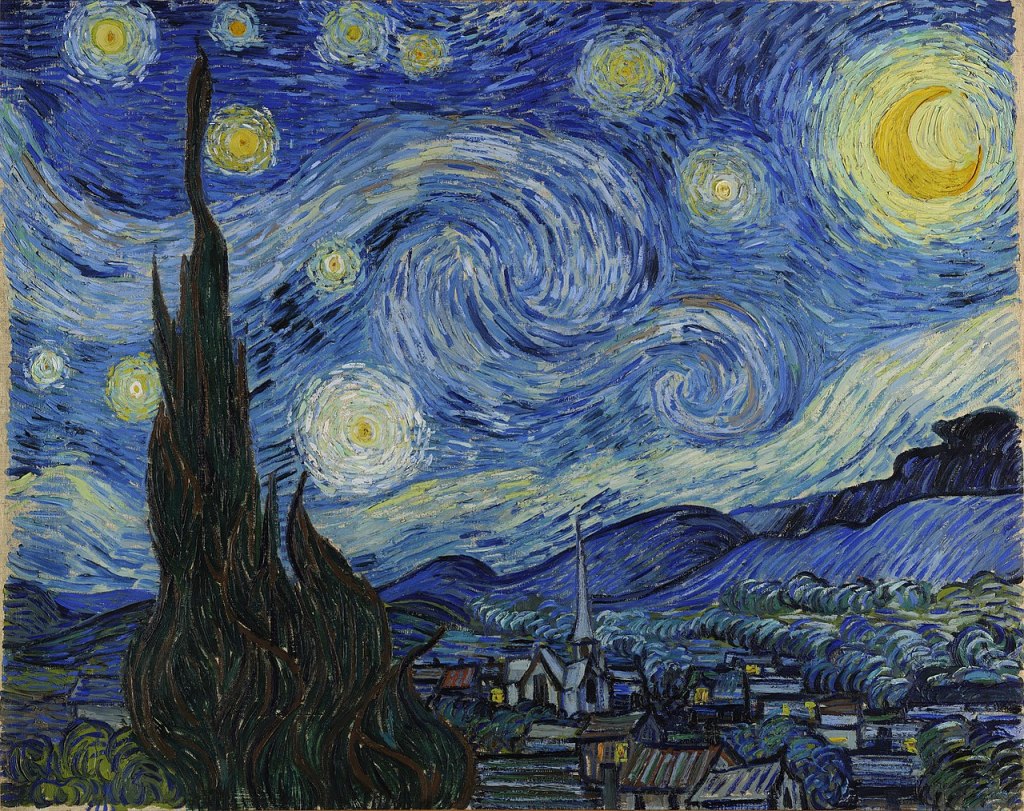
Chromesthesia is the synesthesia which deserves separate explanation for our discussion. In Chromesthesia, the person assigns a color to the sound they hear. Which exactly what is happening in the case of Neil but artificially. According to art historians the famous artist Vincent Van Gogh has   Chromesthesia which made his paintings so vibrant. According to one such comment Vincent tried to learn Piano but left it midway because the notes of piano invoked different colors in his mind thereby overwhelming him.

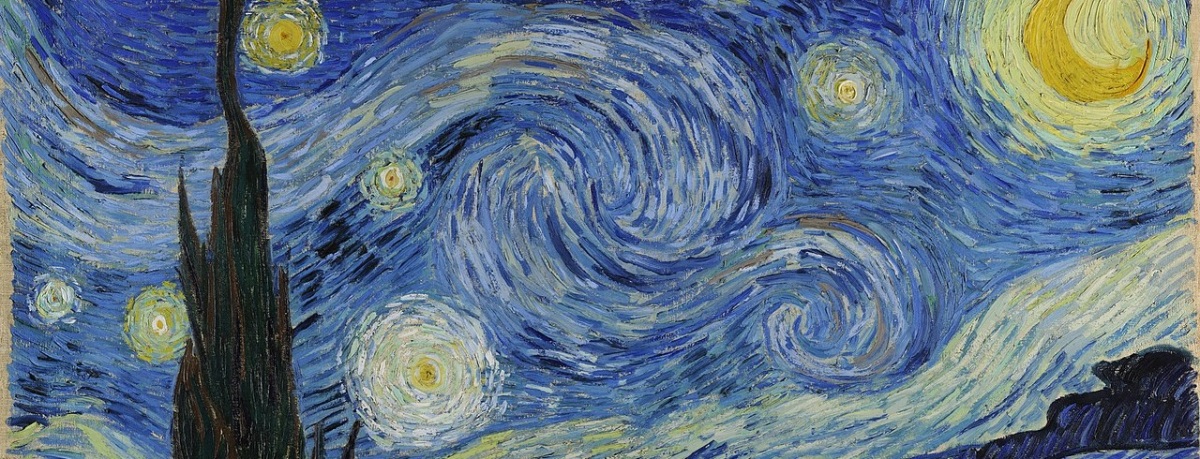
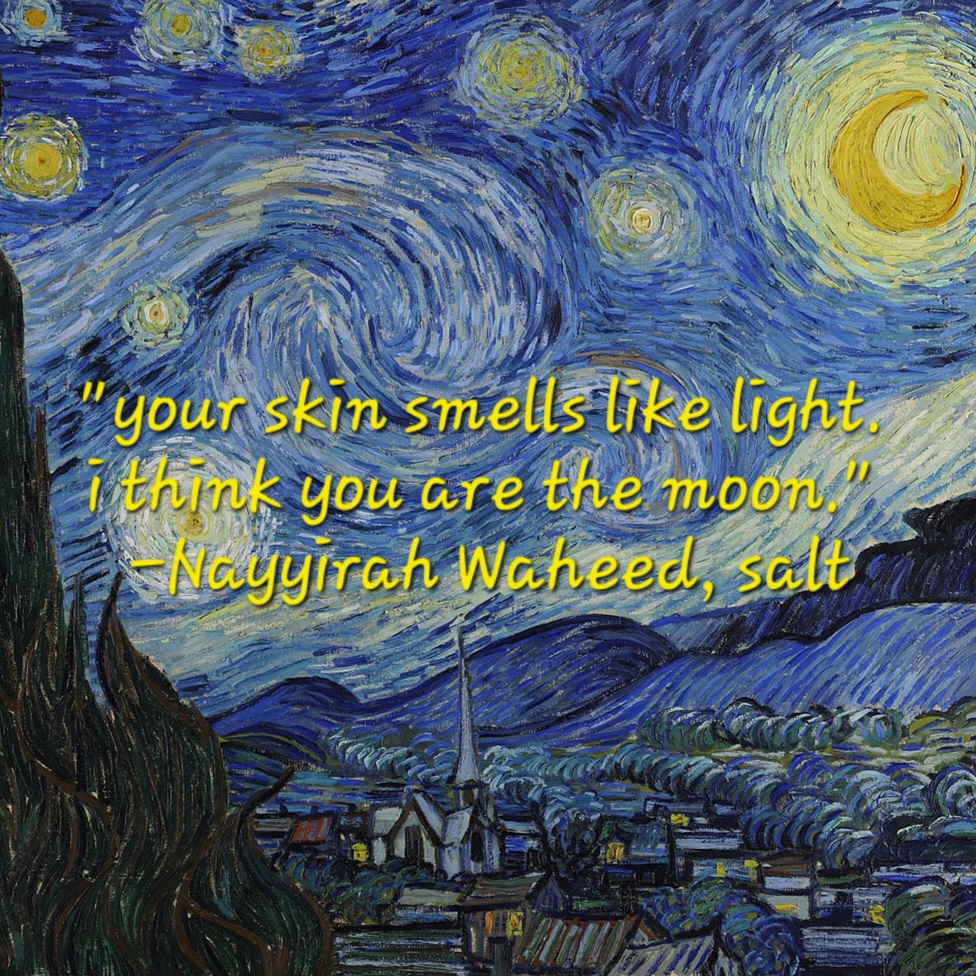
Van Gogh’s The Starry Night

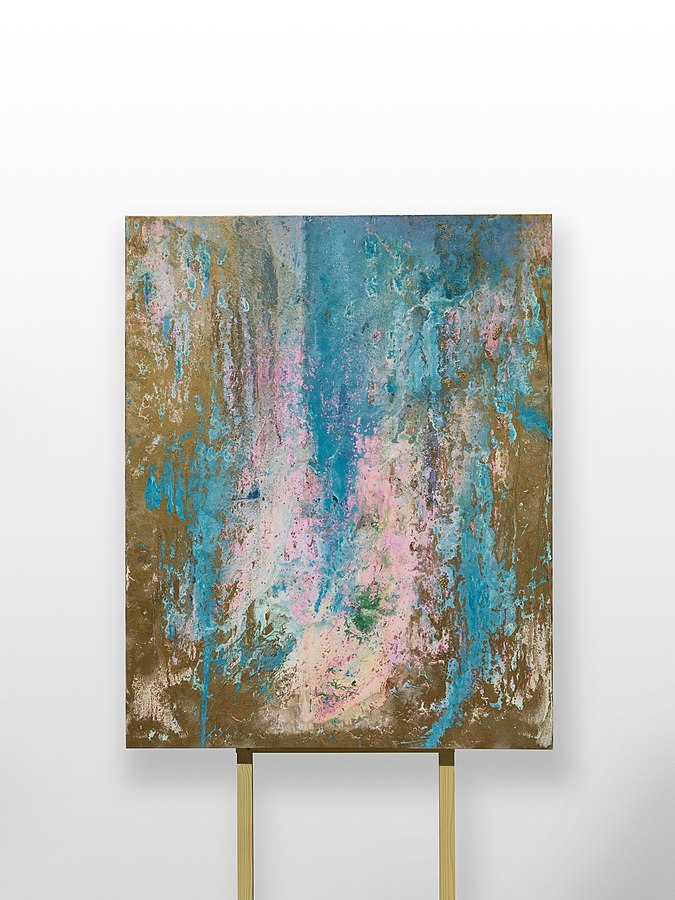
Jack Coulter – one of the artists of our generation has Chromesthesia. He is known for his abstract art pieces which reflect the way he interprets the sounds and music. In simple words, he paints the songs. Jack’s paintings of are such an experience. You can find his paintings on some famous songs on his official Instagram page which includes ‘Love of My Life’ by Harry Styles, ‘The Best Day’ by Taylor Swift, ‘Running Up That Hill’ by Kate Bush, ‘Don’t Tell Me’ by Avril Lavigne, ‘Take me Home Country Roads’ by John Denver, ‘As It Was’ by Harry Styles. He even has created an art piece for the world famous ‘Cornfield Chase’ soundtrack from Christopher Nolan’s Interstellar.     

Jack Coulter’s ‘Mr. Bad Guy’ painting based on Freddie Mercury’s song of same name

A mix-tape of senses and the hidden reality – philosophical implications

This crisscross of our senses and the stimulus actually questions the nature of our reality. If we question the nature of evolution by question like why can only eyes see color and why can only ears hear the sound which are very fundamental philosophical questions (so fundamental that the person who poses them may be called a mental person), then we will understand that it is the nature of light to impart the color to the object, it is the nature of sound to impart the vibration of the object which developed such organs in a way.

But if we dig deeper and question the limitations of our perception of sound and light then we will realize that what we perceive or feel through our senses is just a sample or small piece of all the experiences presented by the reality. For simple example, though sound (mechanical) and light (electromagnetic) are all but vibrations, the extent of their experience or the ranges in which they exist or the things they are made up of cause them to collapse into two distinct sensorial experiences.

And when we are trying to resolve such questions about the senses, the conditions like Synesthesia or the cyborg movement created by people like Neil try to modify our understanding of the reality that we live in. If these people can interpret the colors into sounds and sounds into colors, are our senses limiting us from a different type of awareness? Are we missing some extra information from reality due the limitation of our senses? In simple words, even though there are many colors around us we cannot see in dark but most of the animals have awareness of infra-red spectrum or night vision which gives them extra information of the same surrounding where we all coexist. Bees, butterflies, insects can detect ultraviolet light to understand the pollen part of the flowers which we cannot see by or normal vision. This questions the reality and our experiences from it

For a no person with complete awareness of his/her senses, the cognitive stimulus and feedback is almost hardwired. This stimulus and feedback are what create reality for us. We cannot experience even a common thing without experiencing the interactions of our senses with the surrounding. And when we realize that there are other ways to experience the same reality by connecting it to totally different sense and stimulus, this opens a new chapter in our understanding of the nature. It’s like being aware of the ultrasonic sounds as same as owls experience it. This opens a totally different universe for all of us – the hidden one which was already there. Maybe this is the sixth sense many people talk about. Actually, our lives and the experiences that we have, are always being dictated by the five senses that we experience.

Bertrand Russel had made some attempts to crack such question in his world-famous book called ‘The Problems of Philosophy’. In the very first chapter called “Appearance and Reality” of this book Russel concludes that this can be a question which may remain unsolved forever. He uses a concept called ‘sense-data’ as in the information which we immediately know from our senses as in smell, color, sound. Russel clarifies based on a structured thought process that what we perceive as a reality is mere the what it appears to us based on the senses we experience (also known as sense-data). If our sense-data gets limited our understanding of reality will be limited. As the reality we experienced through our limited senses will be a reality for us, it will not be the complete reality as in “the reality” – “the ultimate/absolute reality”. (I know this gets confusing from hereon) And if the reality through our senses is not complete reality that how could we transcend to the realization of “the ultimate/absolute reality” by extending our senses? Or is it a completely different pathway? Russel leaves that idea to the power, need and importance of philosophy.

There is definitely much more information that we are missing only because of the limitation of our senses. So, the reality is not we experience through our senses only, it is more than that which maybe is impossible for us to grasp for now. Maybe in near or distant future we will be able to understand reality in different way like Neil, Jack and many people like them.

P.S. – Most of the artists have mastered this transcendence of senses in their own ways, which is what makes art so special for humanity. Maybe it is the only way we have right now to extend our senses.

References:

  1. “A picture is worth a thousand words” – image by ElizabethHudy from flickr
  2. Neil Harbisson: I listen to color – TED
  3. Neil Harbisson – Image by Don Walton
  4. Jack Coulter’s ‘Mr. Bad Guy’ painting -Photograph by Richard Gray for Freddie Mercury Estate
  5. jackcoulter.com/
  6. cyborgfoundation.com/

The Afterlife of Love

“After silence, that which comes nearest to expressing the inexpressible is music.”

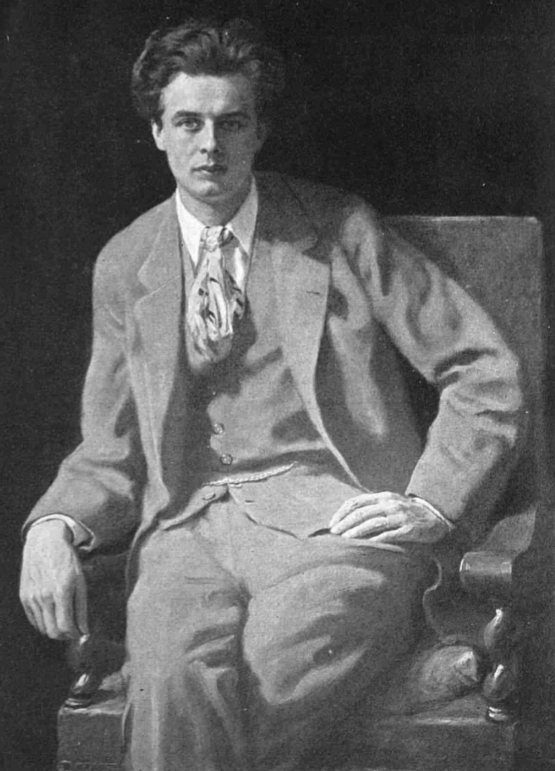
– Aldous Huxley

Everyone carries their own treasure while being alive. Interestingly, this treasure is not filled with things, materialistic objects (and far from gold, diamonds, platinum) rather this treasure contains the feelings which you think are totally exclusive. These are the feelings and experiences which you think that they belong only to you. You don’t want anybody or everybody to discover it. These emotions are mostly attached to some ideas, moments, anecdotes, stories, especially songs. Every one of us has their own favorite song which they don’t want others to discover. I have seen in some cases we feel betrayed when we come to know that the same song is liked by someone you adore, someone who is your friend. Such is the possession we have with some intangible things and the emotions attached to it. The only thing to understand is that same things can invoke similar feeling in many people and it is only a matter of time when you or others become aware about them.

Today, we will be diving into one such song which is so underappreciated as if it seems like everyone had already planned to hide it away from the world only because of the selfish love for the feelings it creates in their minds. Maybe someone will be discovering it the first time. This is my interpretation of the song, maybe somebody will have different opinion.

So here we go!

IF I LEFT THE WORLD- The Song

Song Credits:

Song by GRYFFIN FEATURING MARINA & MODEL CHILD

Songwriters: Thomas Andrew Searle Barnes / Benjamin Alexander Kohn / Peter Kelleher / Marina Lambrini Diamandis / Danny Parker / Daniel Griffith / A. Govere

If I Left The World lyrics © Primadonna Girl Limited, Danny Clementine Music, Big Deal Beats, Zim Croc Music, Songs Of Universal Inc., Jams Of Big Family, Songs By Gryffin

The Search and The Care

See a million faces
Sliding down below
Awful lot of strangers
Only one I’m lookin’ for
It’s lonely in this cabin
God, I wanna know
Are you with somebody else
Who’d never let you go?

The visual we get here is that someone is searching for a person from above (possibly heaven!). The strangers seem to be awful to him indicating the urgency of finding his exact person (supposedly the woman he loves which becomes clear in upcoming lines of the song, but the interpretation can be used for the opposite gender too). The search going down below and questioning to the God indicates that the lover has physically died and left the world, has left his love behind alone in the world. The only thing he now desires for her is to have someone near her to endure or forget the pain of his loss. To get over it. Someone who will be with her forever.

The Haunting Loneliness

See, man is a social animal. Our personality is the outcome of how we handle the people around us and how they handle us; this influence upon us is both direct and indirect. That is the same reason for which we have parent/s, guardian/s, relative/s, friend/s, lover/s, partner/s, acquaintance/s. Human babies themselves are very weak when they are born compared to other animals in nature. A new born baby cannot survive by itself if left alone.

We come alone and go alone- but the time we spend while we are alive, we seek someone to be with us and that I think is the irony of life. The “loneliness in the cabin” projects the same emotion.

In short, loneliness is the last worst emotion most of we want in life. (Though the tolerance with loneliness is varying in varying persons, some exceptions compensate their loneliness with other things, emotions instead of persons- like hobbies, meditation etc. and even a diversion)

The Selfless Love

Three emotions are expressed in this starting part of the song which are:

  1. the feeling of loss and death
  2. the feeling of loneliness
  3. the endlessness and eternal nature of love

The urge of our lover to have a new companion with his love to go through her remaining life shows the eternal nature of love he has for her. Even death cannot separate the feelings, love and care he has for her. (Quick doubt- what happens to our feelings when we die?) He knows that she will miss him, it will make her feel lonesome and hence wishes that she will have someone to move ahead in life.

Even though our lover is completely detached from the living world (being dead), the invisible string of his love for her wants to make sure that she will have proper companion to endure the pain of his loss.

The Flights of Poetry and Love

I want another life in
A brand new galaxy where
There ain’t no sense of time and
There ain’t no gravity

As obvious as the lines say, our lover wants to have a new life with his love in a world where there are no limitations, boundaries.

Love is the only emotion which can invoke such desire of starting the life with all new living conditions. Poetry becomes the tool of this love to convey such strong emotions!

The concept of “brand new galaxy” (not even new country or new world!) highlights the strong feeling of meting again, starting over again. (Everybody knows how difficult it is to create even a single new cell, single new molecule from scratch but we will allow the poetic freedom especially added concession in terms of love in this case!!!) Anyways, jokes aside.

The world where time is not present shows that the feeling is desired to be eternal, the desire for the lack of gravity, weightlessness shows that the lover want to be free from all obligations, “weight” of expectations, responsibilities just to love her. I think the ideas of new galaxy with timelessness, weightlessness (no gravity) is what communicates the universal nature of love. These lines clearly show that love is beyond the forces that bind our existence in the universe. The lover has this feeling that the practical, non-ideal, restricted, logical nature of reality will always overshadow the ideal, infinite nature of his love. Hence, our lover wishes for such reality only to meet his lover again, only to love her which are highlighted by the feelings of eternity and weightlessness. 

The Regret

If I left the world
Would anybody miss me while I
Look down on this city thinkin’
Should have loved you more?
And maybe you’d be with me, darling
If I hadn’t gone and left the world

Our lover is worried about who will remember him after his death. He further expresses his failure to love her more. This is the only regret that he is having hence contemplates what could have been the situation if he was alive. The care for her loneliness and melancholy induced due to his helplessness against the reality to love her is highlighted here. Our lover imagining the future possibilities if he had been with his love shows his deep sense of loss. The sadness of not being able to love her is stronger than the sadness of his own death.

Even though life and death are not controllable by humans, our lover considers that this is his failure to leave his love alone when dying.

The longing for escape

Been a lot of places
And none of them were home
Always told myself that I’d be
Better off alone
Float up from my body
Been longing for the moon
Look her in the eye and tell her
I’ma see you soon

Imagine that some immaterial form (like floating soul) of our lover is regretting and feeling bad where his love comes to console him and expresses what she is feeling after his loss. The voice of a lady make that clear while listening.

After he left, she has tried to make amends with the reality and tried to adjust with the absence of her love. But, the irreplaceable nature of his company has convinced her to go solo. This expression highlights the importance of his existence in her life. The vacuum created by his death makes her to leave the reality, her mortal form in a hope that she will meet him in the afterlife. Important to note here is that she does not want to die like a helpless person who embraces death due to loneliness rather she expects her soul to console her body that they will meet again. (Indirectly, she won’t harms herself for his loss projecting her sanity and maturity)

The idea of soul leaving the body in the search for her lover and promising to return again is such a strong emotion which was possible only through sheer poetry! The healthy mentality, the healthy nature of the love between our lovers is what is conveyed in these lines.

This also highlights that this love was not about physicality or him being physically with her rather it was about the feelings and the emotions with him, hence the reason she is ready to remain alone and with longing for the moon- the symbol of love, his love.

I want another life in
A brand new galaxy where
There ain’t no sense of time and
There ain’t no gravity

If I left the world
Would anybody miss me while I
Look down on this city thinkin’
Should have loved you more?
And maybe you’d be with me, darling
If I hadn’t gone and left the world

The Silver Lining of Reciprocity

She also desires to start new life in brand new galaxy which resonates with her lover.

This is her consoling him on a level so that our lover will not feel guilty of leaving his love alone in the world as if he didn’t care for her. The same expectations expressed by her in the ending lines of the song show that as if she is telling him that even I would have felt similar if I had died and had left you alone behind in the world.

We feel sorry for the loss of her loved one in the song which summons the flood of melancholy (and the music adds more to it) but there is this feeling of great relief when we understand that she too reciprocates and consoles our lover for his unnecessary guilt, which is what makes us realize that their love has actually crossed the boundaries of reality, materialism from the world.

We leave the song on the note of understanding that sharing of similar feelings, the reciprocity of emotions has tied their love beyond the limits of reality.

The most important aspect of this song is the musical composition by Gryffin, the melancholy of Marina’s voice and Model Child’s voice with her makes the song full of honest and pure emotions.

This is the song about the nature of love we expect while being in the world with that special one whose absence will literally bring the feeling of loneliness and longing. But the song also points out that the love we always long for is not that materialistic, physical in reality. It is only the influence of reality which makes us to believe that the love needs some media to experience. The song further proceeds to question the immaterial nature of love and its interaction with material world and the escapement required for love from the materialistic aspects of life.    

(And even though the song has a male and a female voice generally highlighting two lovers of same age group; The song can convey same emotions for other love relationships too.)  

Bonus: Thanks to the existence of Gryffin in our generation, there is also an Orchestral Version of the Song, (This is like real roller coaster of emotions)

References:

Aldous Huxley Image Source from Wikipedia

Featured Image of Heart Nebula captured by Rick Wiggins, Heart Nebula, IC1805

“If-” A Stoic Poetry by Rudyard Kipling

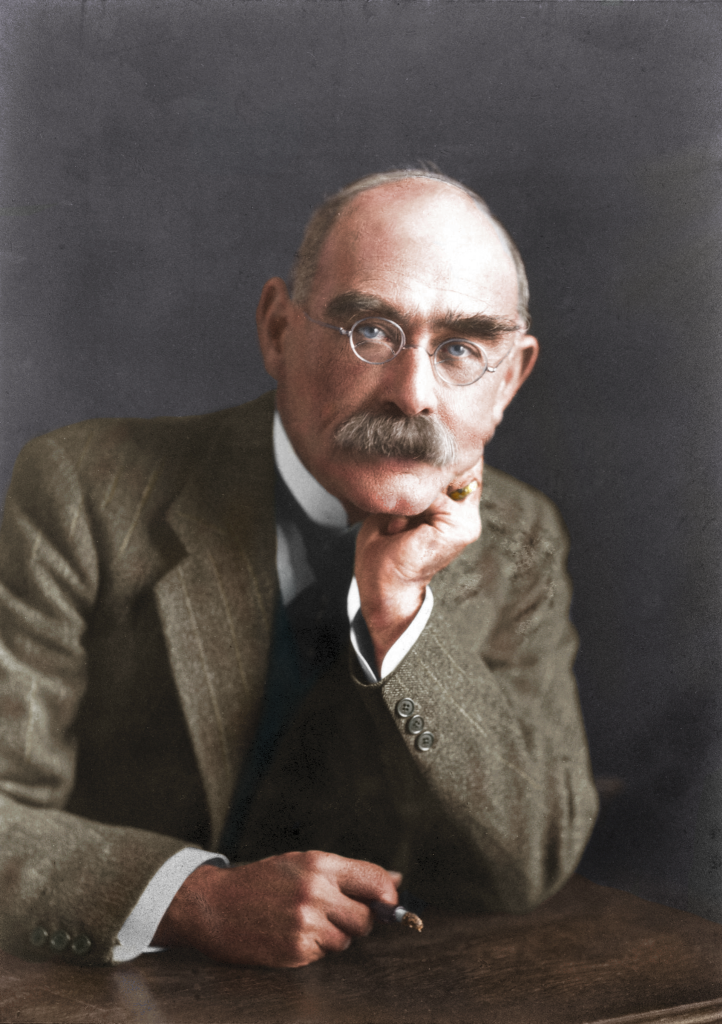
Rudyard Kipling is famously known for the creation of ‘The Jungle Book’. He is the youngest British Nobel Laureate (at the age of 41) till date.

Rudyard Kipling

Today we will be deep diving into Rudyard Kipling’s all time famous and many people’s favorite poem ‘If-‘. This poem written in 1895 was published in his famous historical fantasy book called ‘Rewards and Fairies’ in 1910.

This poem is all about a set of recommendations from poet to the reader (or his son) to become a person of greater values, virtues in order to handle every situation in life irrespective of its outcomes. The only motivation to act on something must be our intent of welfare of ourselves and the society around us as a human being and only thing we can control is our perception of things is the core idea of this poem.

If you can keep your head when all about you   
Are losing theirs and blaming it on you;
If you can trust yourself when all men doubt you,
But make allowance for their doubting too:

 This is about believing in ourselves and freeing ourselves from self-doubt. It is also about remaining content when everyone is against you. It focused on not losing sanity when everything around you seems to have lost the meaning, when everyone behaves like they have lost their minds, when chaos has surrounded you. This is the time which will demand you to remain confident of your intentions.

If you can wait and not be tired by waiting,
Or being lied about, don’t deal in lies,
Or being hated, don’t give way to hating,
And yet don’t look too good, nor talk too wise;

This is more about remaining calm, balanced and unaffected. There might be several times where the results won’t be immediate, one should deal it with patience. It is about the moving away from instant gratification and not doing things for immediate pleasures. Especially, in the times of Social-media instant gratification has become a very innate thing in the human behavior.

When you will be lied to or when you will be hated, a person’s behavior must not favor the idea of ‘tit for tat’ or ‘an eye for an eye’ indicating reactive behavior, retaliating behavior. Rather not dealing in lies, abiding to the truth even when lied to and not hating even when hated are the virtues poet wishes to have in the reader. The balanced behavior of humility in smart person and simplicity in good looking person will make him a desirable person. Otherwise, who values a smart but arrogant person anyways!

If you can dream—and not make dreams your master;   
If you can think—and not make thoughts your aim,
If you can meet with Triumph and Disaster
And treat those two impostors just the same:

This is about the what you do with your life and how you do it. It is about finding the purpose of your being in the life and envisioning yourself to fulfill that purpose. You should not be consumed by the dreams solely- thereby causing in-actions; the poet expects the reader to have actions for achieving these dreams and visions. Winning and losing are called imposters here because of the nature of our perception about them; one is desirable and the another one is not. The mere possibility of loss leads to inaction causes us to go deeper into the negative feeling of not achieving anything. The poet wants reader to not care about the consequences which are not in the hands of doer rather do the immediate things to get the consequences (whatever they may) which are always in the hands of doer.

The best way to come out of indecision is to act on things which are in our immediate control.

If you can bear to hear the truth you’ve spoken
Twisted by knaves to make a trap for fools,
Or watch the things you gave your life to, broken,
And stoop and build ’em up with worn-out tools;

This is about remaining committed and honest to your words, keeping your promises. This will demand a person to face the truth, make others aware of the truth when they are being fooled by some dishonest people and this requires courage. It is about remaining committed to the purpose even when things will fall down and you will feel that the virtues you are living with have worn-out and are of no value as they didn’t yield immediate favorable effects. This is some sort of test that you should go through to reach your ultimate pure desires.

If you can make one heap of all your winnings
And risk it on one turn of pitch-and-toss,
And lose, and start again at your beginnings
And never breathe a word about your loss;
If you can force your heart and nerve and sinew
To serve your turn long after they are gone,
And so hold on when there is nothing in you
Except the Will which says to them: ‘Hold on!’

Here, our poet wants the reader to have a really great goal in life whose purpose must be to leave an example or a legacy for others to follow as a light house. The greatness of this purpose will make him to sacrifice any great achievement, great possession for the greatness of purpose is the only thing that will not perish. All the great possessions or the biggest of big losses are valueless in front of a great purpose or a great legacy.  These can be the sacrifices in the great journey.

The loss of hard earned possessions, achievements may force a person to lose his interest in the journey; but the person’s resilience and the will to hold on to the greater purpose will define what is inside him, what he is made of !  

If you can talk with crowds and keep your virtue,   
Or walk with Kings—nor lose the common touch,
If neither foes nor loving friends can hurt you,
If all men count with you, but none too much:

The poet talks here about doing what you are saying, being aware of the reality and being humble and dependable yet remain unaffected by too much expectations of people around you- friends or enemies. It is about not getting flattered by the good opinions from the people loving you and not getting despised of the bad opinions of your haters or enemies. It is about being free from the opinions, projections of the people around you.

If you can fill the unforgiving minute
With sixty seconds’ worth of distance run,

Unforgiving nature of time indicates interaction of time with we as a humans. Time waits for no one. It is the most neutral entity in our life which is not affected by anything rather everything is under the influences of the time. The poet wants reader to fill a minute with sixty second means being aware of every moment we are going through and doing justice with it, investing it in doing good things.

Yours is the Earth and everything that’s in it,   
And—which is more—you’ll be a Man, my son!

Yep, after all of these conditions, all these ifs- one can achieve and enjoy everything that makes his/her life complete.

Stoicism in ‘If-‘

The poem is considered as one of the best depictions of the principles of Stoicism, the ‘Stoic’ philosophy. According to stoicism, a stoic person is one who remains unaffected by the things happening around him/her (It also does not mean that remaining dumb or numb) The Wikipedia definition is “someone who is indifferent to pain, pleasure, grief, or joy”.

Stoicism is based on the idea that all of the things happening around us are made up of cause and effect. Sometimes, we know the cause behind anything but it is practically impossible to know cause behind everything and after knowing that cause – change its effect to our desired results. There will always be something which will not be in our control. This idea of having rational structure of universe made up of cause and effect is called as ‘Logos’ in Stoicism.

The stoicism tries to establish that we cannot always know or remain aware of the logic behind everything happening with us and around us. ‘We’ – a person not being aware of ‘the cause’ of happening this ‘thing’ will not prevent the ‘thing’ from happening. It means that some things will always remain out of our control and our expectations. Hence the best you can do is to establish the control on things which are in immediate influence of you.

Hence,

Rather than expecting the world to be ‘ideal’ to anyone’s expectations – the stoic accepts the world ‘as it is’. In order to grow through this world, a stoic controls that thing which is in his/her immediate control. The poem ‘If-‘ by Rudyard Kipling does the excellent job of describing the virtues if a Stoic and what can be done and controlled to achieve greatness.

There are two pillars of Stoicism: Four cardinal Virtues and the dichotomy of control.

Pillar I- Four cardinal Virtues

Wisdom– the idea good and bad

Temperance– no overdoing and under doing things, doing the optimum, doing what is necessary

Justice– the awareness of what is right for given situation of a person or a society

Courage– the knowledge of justice and to standing for it

Pillar II-The dichotomy of control

This is the most important and the most famous idea in the stoicism. The dichotomy simply separates the things which are in our control and things which are not in our control.

The best way to deal with the things which are not in our control is to accept them as they are and the best thing to deal with the things that are in our control is to act on them immediately so as to eventually shape the reality we expect.

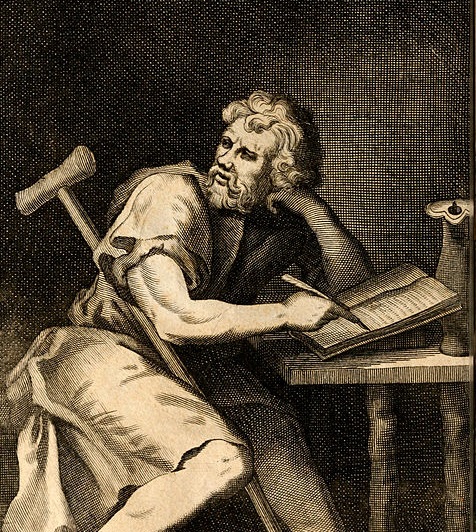
The best thing about the stoicism is that it was developed by people representing different levels of society. “Zeno of Cyprus” known as a father of Stoicism was a wealthy merchant in Athens who turned to the development of stoicism when he had lost all his possession in a shipwreck. With nothing in hand, he turned to a book shop and got influenced by the ideas of Socrates. Epictetus, the person who was a slave also contributed to the stoicism in a great way. Actually, the meaning of Greek word Epictetus (ἐπίκτητος) is “gained” or “acquired”. The real name of this slave is not known to anyone and there are no known writings by Epictetus available. All his knowledge was transcribed by his pupil Arrian and published as “Disclosures” and “Enchiridion

"Men are disturbed not by the things which happen, 
but by the opinions about the things."
- Epictetus, Enchiridion

The same idea Rudyard expresses in the poem when he asks reader to remain sane and confident when peoples are doubting him/her.

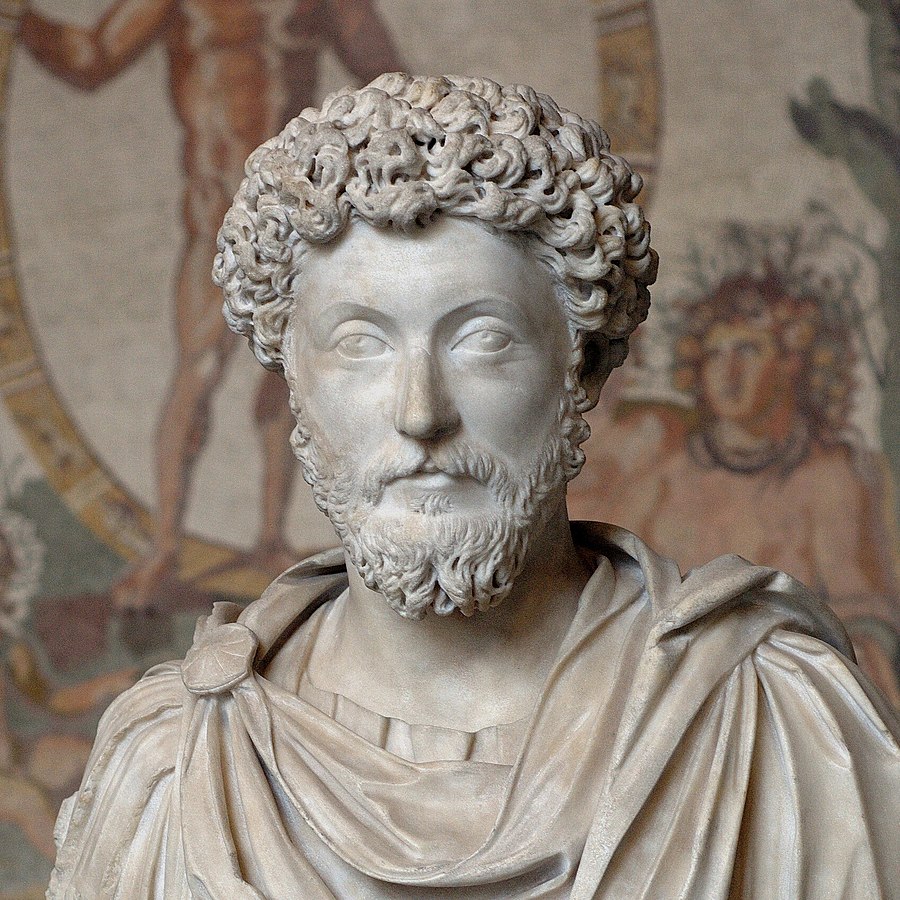
Marcus Aurelius who was a Roman Emperor and one of the greatest philosophers was also a stoic. Marcus Aurelius and emperor was influenced by the ideas of Epictetus- a slave. He wrote all his ideas in his famous book called Meditations. Nelson Mandela’s colleagues smuggled this book while he was in jail. This same book influenced Mandela to move away from the idea of revenge and think for the betterment of the society while he was in jail.

“It is not death that a man should fear, but he should fear never beginning to live.” 
- Marcus Aurelius, Meditations

Rudyard indicates the same philosophy about just getting consumed by the thoughts of the consequences and not acting on achieving something. Fear of failures is the real death, understanding that there is no such thing as success or failure will immediately lead to action which is in person’s hand.

“If someone is able to show me that what I think or do is not right, I will happily change, for I seek the truth, by which no one was ever truly harmed. It is the person who continues in his self-deception and ignorance who is harmed.” 
- Marcus Aurelius, Meditations

Rudyard Kipling discusses the same idea of remaining honest to your words, keeping you r promises for it is the only way to differentiate the right and wrong. If you understand that you were right- you will embrace it and if you understand and accept that you were wrong you will learn from it because seeking truth has never truly harmed anyone.  

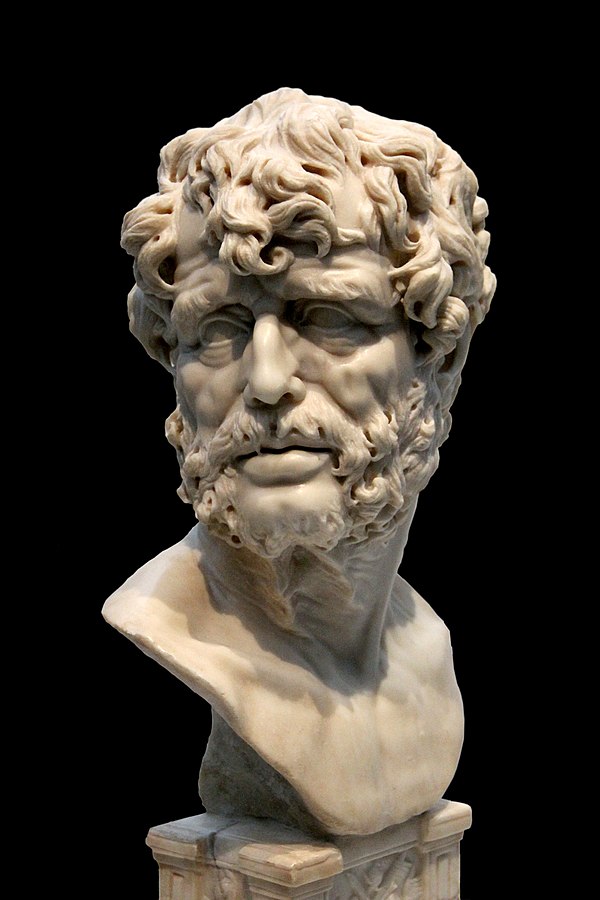
Seneca, one of the famous and important contributors to stoicism was dramatist and satirist.

“We suffer more often in imagination than in reality” 
-Seneca

Kipling has also recommended to come out of indecision by doing the things in our immediate control.

In a whole way, when one understands the real meaning behind the poem, the expectations of poet and the philosophy of Stoicism, this gives a great moments of understanding rather enlightenment about the way of life.

‘If-‘ by Rudyard Kipling possibly one of the most important poem in the history of humanity.

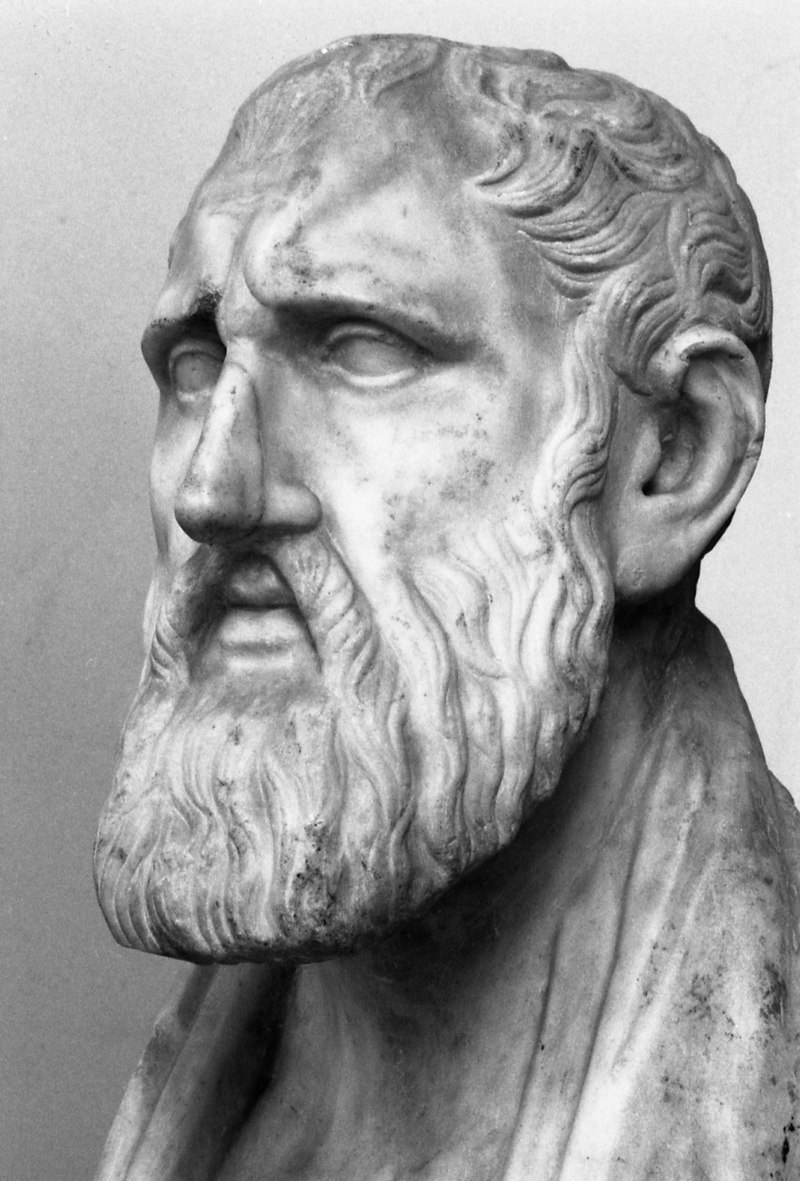
Zeno, Epictetus, Seneca and Marcus Aurelius - The four important Stoics 

Image references:

  1. Zeno of Cyprus, Epictetus, Seneca, Marcus Aurelius

Battle Symphony- The anthem of emotional support

Battle symphony serves as the best personal encouragement song for all of us fighting their own battles. It also highlights the importance of emotional support to people around us who need it the most and are unable to express themselves at such critical moments.

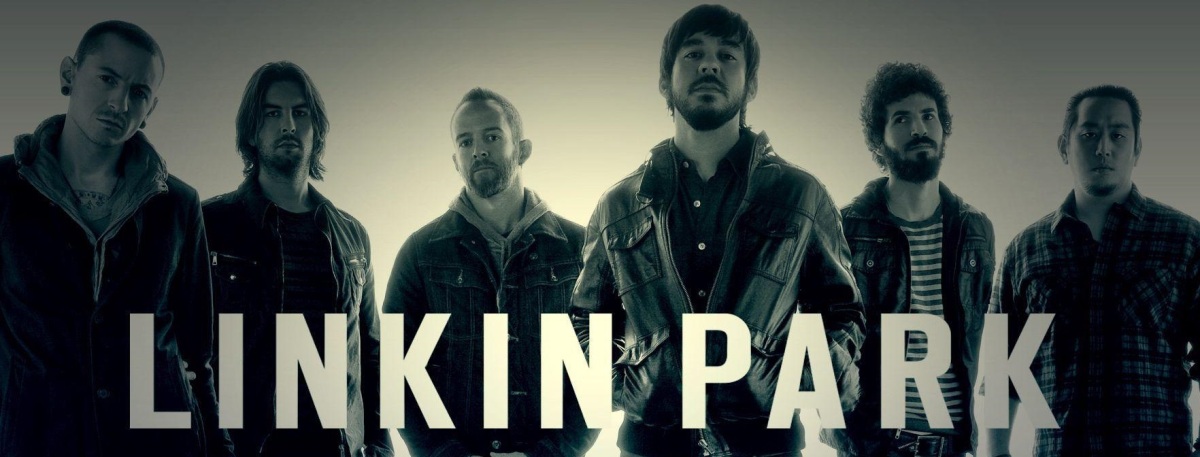
Linkin Park is one of the most loved music bands in the world. I will take this opportunity to highlight the importance of one of their songs called ‘Battle Symphony”. This is the song that deserves a personal and global attention. I will dive directly into the song:

I got a long way to go
And a long memory
I've been searching for an answer
Always just out of reach
Blood on the floor
Sirens repeat
I've been searching for the courage
To face my enemies
When they turn down the lights
I hear my battle symphony
All the world in front of me
If my armor breaks
I'll fuse it back together
Battle symphony
Please just don't give up on me
And my eyes are wide awake
For my battle symphony
They say that I don't belong
Say that I should retreat
That I'm marching to the rhythm
Of a lonesome defeat
But the sound of your voice
Puts the pain in reverse
No surrender, no illusions
And for better or worse
If I fall, get knocked down
Pick myself up off the ground
If I fall, get knocked down
Pick myself up off the ground
Songwriters: Bradford Philip Delson / Chester Bennington / David Farrell / Jonathan Ian Green / Joseph Hahn / Mike Shinoda / Robert G. Bourdon 
Battle Symphony lyrics Copyrights to Universal Music Publishing Group  

Here, our songwriter (writer hereon) is accepting the truth that whatever quest he has embarked upon, it is all about journey not the destination. ‘A long way to go’ signifies that our writer has accepted that the journey from here on will be full of challenges and hardships. He has his memory as a companion with him. ‘Long memory’ is called to highlight the experience, learnings he has gathered in this long journey. These experiences/ learnings have actually made him to accept the beauty of journey, process irrespective of the destination.

The ‘answer always JUST out of reach’ shows that the writer is closer to his moment of perfection, moment of achievement to finally satisfy him but that perfection always remains unachievable. ‘Blood on the floor’ and ‘repeating sirens’ show the severity of hardships, the severity of challenges, the extents of conflicts our writer is going through. The bloodshed mentioned here shows how the conflicts- inner or outer they may be, are going to turn out. Sirens are meant as a warning sign that are showing that this is a ‘NO GO’ zone, that our writer is attempting a thing that is not meant to be in his favor but still he has accepted to be in it.

‘Search for courage to face my enemies’- is such a powerful statement. It shows how our writer even at his worst is ready to deal with the situation. He is not demanding for this situation to end on its own, rather he wants the courage to face the situation by himself. The search for courage shows that he is really scared of the situation but he is not going to turn around now. He is beyond that ‘point of no return’. The enemies that our writer is mentioning here are the demons that he has created for himself, his inner conflicts. The quest for perfection explained already in the lines before and the inner demons mentioned here show that there is a huge difference between the worlds our writer had imagined and the reality he is going through. This drastic difference between reality and imagination has created those demons for our writer. These demons of conflicts are what blanking his senses, are making him indecisive/helpless, are making him to lose his potential, to under-perform. That is why he is saying that his enemies have turned down the lights, turning down the light shows that our writer has become directionless, he is unaware of his surroundings hence unable to decide what to do next, how to defend himself.

The battle symphony is the only thing which is like that ‘sixth sense’ for our writer to sustain through this long way. The literal meaning of symphony is the ‘a usually long musical composition for a full orchestra’. How could a battle have symphony? We have already heard about ‘battle cry’, ‘battle call’ or ‘war call’. Then why is our writer is calling it a battle symphony?  The use of symphony is very important for this song, the purpose of calling it a symphony and not a war call or battle cry is revealed in the next line as ‘all the world in front of me’. The writer calls all the world as his enemy because it is not matching the standards he has set in his mind. It is only the harmony- as in ‘symphony’ of his relationship with that one special person closer to him which is keeping him alive through this battle. That special person is the only thing that is empowering him to fight against the whole world.

Here, there can be different interpretations:

One can be that our writer is fighting his inner demons, his own mental condition- illness. The support of his loved ones is the only thing which is responsible for his survival in this battle with his inner conflicts.

Another interpretation can be that our writer has taken a decision against the regular customs of the world which made the whole world his enemy. It is only the support from his loved ones which is empowering him to endure through the hardships.

Even on multiple failures our writer is ready to accept the outcome, learn from them and get ready for next fight, hence fusing the armor comes next. He is just expecting for his loved ones to count on him, to believe in him to endure this fight. This fight is not just about winning and losing, it is about survival hence it has already been considered as a journey and not a destination. He is ensuring his loved ones, his support system that even if he may seem defeated but his eyes are wide awake. Here, eyes closed indicate death, acceptance of defeat in the battle. Our writer keeping his eyes wide awake shows that whatever will the outcome he will stand strong and keep on fighting through the battle.

The advice of people to retreat, that opinion of not belonging to the place are the metaphors of self-doubt, fear our writer is experiencing. This too has two interpretations- it may be the inner doubts or the real people mocking on his face. But, the march to the rhythm of lonesome defeat really shows the spirit and confidence with which our writer has accepted the outcomes of this battle. ‘Win or lose’- whatever the outcome will be, the decision to fight through it will remain the same.

The writer considers ‘the sound of voice’ of his loved ones which may be a person or people who truly believe in him as cure for his pain. The ‘sound of voice’ is actually implied as an encouragement by his loved ones which is reducing his pain, calming him down.

There is no turning back for our writer from here on in his battle with the world and with his inner conflicts. Only thing he demands is the support, the trust from his loved ones.

The song battle symphony is important in many ways. First of all, its main intention is to communicate the feelings that people are going through inner conflicts/experiences, but it is also helpful in other way around.  Every one of us is fighting his/her own battle in many ways – on different fronts; some people are strong enough to open up themselves to the others and some people choose to keep things to themselves. The second category of people are the ones this song highlights on. These are the people who are highly doubtful about themselves, they are highly aware of their surrounding and how people may make fun of them, how people will make them feel embarrassed. These types of people are highly susceptible to inner conflicts. These are the people who need good listeners, these are the people who need that unexpected support. Sometimes, they may not express it in words but if you find someone going through such hardships, please ensure that they are made aware that there is always somebody for helping them. One problem in this situation is that the people gong through such challenges are very hard to notice.  

I will share one anecdote from George Bernard Shaw with you:

A Native American elder once described his own inner struggles in this manner: Inside of me there are two dogs. One of the dogs is mean and evil. The other dog is good. The mean dog fights the good dog all the time. When asked which dog wins, he reflected for a moment and replied, the one I feed the most.

-George Bernard Shaw

Whenever you find yourself or any of person in your surrounding having such conflicts, remember that every conflict whether it may be inner conflict with a conflict with others, it becomes easy when correct support, encouragement is provided. It my not solve the conflict for the person but it will definitely give him/her the courage to endure through that battle. This is applicable not only to a person but to the nations, groups, ethnicity, races, casts, cultures. It is just about what cause, what option you are supporting. That will decide the outcome. Being the only known self-aware species in the universe, it becomes a responsibility of us as humans to understand the real problems lying underneath, and resolving them to win-win situations. That will really indicate the proposition of calling ourselves ‘self-aware’. The one who becomes self-aware also becomes aware of how others experience the things- creating that bridge between him/her and others.  

Battle Symphony by Linkin Park

Everything at once

The anthem of innocence and ambition

Songs and long roads is the match made in heaven. This pair is like boat with a sail to reach to destinations of new experiences, discoveries and revelations. There is a reason why some very deep meaning songs from movies are shot while our protagonist(s) are traveling. I experienced such moment once while traveling by bus. The bus was obediently tracing the road lines. I had this playlist going between the ears to just to fill the void of mindlessness. The volume was on high, and the forceful background noise of the air whirling through the window wanted to become the part of song’s composition. Suddenly, I stumbled upon a song, and this song hit me in a different way. Though I had ‘heard’ the song many times, this time- I ‘listened’ to the song. It was like the song talked back to me; I understood the true meaning this song, that was a moment of revelation for me.

If you truly are a song listener (I mean who isn’t ?!), there are these moments in life where we actually, truly understand the lyrics and the real meaning behind the song- the real intention for the creation of the song. This is about a song called ‘Everything at once’ written and sung by Lenka. It is available on YouTube and was featured in Windows 8 commercials. Here goes the lyrics (generic lyrics copy/paste incoming, just for the sake of building a foundation for explanation) –

As sly as a fox, as strong as an ox
As fast as a hare, as brave as a bear
As free as a bird, as neat as a word
As quiet as a mouse, as big as a house

All I wanna be is everything once

As mean as a wolf, as sharp as a tooth
As deep as a bite, as dark as the night
As sweet as a song, as right as a wrong
As long as a road, as ugly as a toad

As pretty as a picture hanging from a fixture
Strong like a family, strong as I wanna be
Bright as day, as light as play
As hard as nails, as grand as a whale

All I wanna be is everything at once

As warm as the sun, as silly as fun
As cool as a tree, as scary as the sea
As hot as fire, cold as ice
Sweet as sugar and everything nice

As old as time, as straight as a line
As royal as a queen, as buzzed as a bee
As stealth as a tiger, smooth as a glider
Pure as a melody, pure as I wanna be

All I wanna be Is everything at once

-Written by Kripac Lenka Eden

At first, it seems like our songwriter has donned the costume of a child who just wants to become everything she fancies. She wants to be like fox, ox, hare, bear, bird, and a whole zoo simultaneously! The house and mouse seem like meant to be used as a rhyme to maintain the auditory meter of the verse. As the imagination allows, the songwriter wants to be everything. Starting from living things like mean wolf, ugly toad to the non-living and literally lifeless things like- picture hanging on the fixture, straight line, glider.

I think there is more to this song than just a simple sentence structure and rhymes. Every quality our songwriter wants to possess in the song is linked to the best example the nature, our surrounding can provide. What is anything else slyer than a fox could ever be? Sheer strength of an ox – a bull, fastness of a rabbit, the wildness, daring of a bear to face every opponent present in front with confidence- who could be a better representative than them?

In first two verse, we can see that the starting two lines reflect a negative, dark and gory expectations of the songwriter. These darker intentions suddenly follow the light-hearted and more positive aspirations she wants to follow. As in slyness, strength, swiftness, braveness, meanness, sharpness, depth of a bite, darkness- they indicate the hunger for power authority, control and maybe destructive, dominating intentions; but followed by these mentions things like – real freedom that only a bird can experience, structuredness of the word, quietness, acceptability, the ability to accommodate every necessity like a house, melody of a song- further clarify the intentions of the songwriter. It’s not just about good and bad, she wants to go beyond what is good and bad. That is the reason she feels no shame to become as ugly as Toad, become long and boring like a road.

Pretty picture hanging on fixture is a metaphor for the combination of that urge to demonstrate the unconventionality, beauty, masterpiece-ness through picture which just sits or hangs on the fixture which has no greater design intention- I mean fixture has only one purpose- it is there to hang/support the picture. This example is an important bridge between most of the routine, repeating, boring things and most of the extraordinary, unconventional, out of the box things in the life.

What an example of family to standardize the strength! The true relations are stronger than steel and mightier than gods. She doesn’t want any limitations to this strength. A day is fundamental definition of bright otherwise that would have been called night (!?) The lightness of play shows joy and spirit of playful moments in our life.

She brings mere small nail to show how hard she wants to become. Tiny yet hard, which never breaks to any impact or pressure. From this tininess she moves to the grandness of whale. I think this needs no further explanation.

Till we reach the last verse, it feels like the boundaries between positive and negative, good and bad are getting blurred. The irrelevant use of sun and fun, tree and sea, may seem some verbal adjustments done to complete the rhyme, but it indicates that, the songwriter doesn’t want to think what makes sense according to normal standards- she is just expressing whatever she desires, whatever she feels.

Warmth of the Sun shows parental, serious and caring nature she wants to have, and silliness will bring more flavor, joy a new dimension to this warmth. She wants to possess the openness, the role of provider from the tree.

The use of sea for the scary nature truly highlights the innocence and truthfulness of a child. What is a child afraid of? A child is generally afraid of darkness, harshness, roughness. What is an adult afraid of? An adult, a grown up is afraid of uncertainties, indecisiveness, tensions, indefiniteness, unpredictability. The sea stands as the great and unique example for fear of the unknown. People say that we have explored stars, galaxies in deep space but most depths of our oceans, seas are still unexplored, unknown. We as a human are not comfortable with everything that we are unfamiliar, unknown of. The songwriter or our child bears no shame in admitting that. Accepting what we fear has already created an opportunity to face them, I think that is the power of innocence, because innocence always brings a best friend with it and that best friend’s name is ‘The Truth’.

The use of ‘Oldness of time’ to me seems like a home-run. All the things dead and alive, beautiful and ugly, good and bad, young and old- all of them are witnessed by the Time. This has also given the time ‘that’ wisdom. Our songwriter wants that gift of wisdom through oldness; and here she also questions beginning of the time indirectly. She is literally questioning the fundamentals of life. That is clearer in straight-ness of line because what could be straighter than a line! (:D) Sugar is the basic definition of sweetness and niceness. She desires to experience the extremities which are called upon through ‘Fire and Ice’. It’s like axioms are getting established in this verse!

Queen’s royalty indicates the sophistication and controlled behavior to ensure higher value delivery from the people surrounding her, but ‘buzz’ness of bee shows that she wants to be just more than sophisticated- she wants to remain excited for everything too. Stealth and smoothness show the subtlety, refined nature she wants to have in life.

For the final argument, she makes a universal and all-inclusive statement that she wants to be as pure as possible. Her ambition for purity brings down all the boundaries and blends the differences/extremities and common denominator of the qualities she has expressed. She doesn’t want to separate each feeling, justify each feeling to an animal or thing- she wants to create her own point of view, her own standard. Authenticity is the one thing the songwriter desires to have from all the things she wants to become.

That is what children are. They are innocent- guileless- no tricks involved. If a child is angry, he/she will never hide that feeling (you will find it on their nose- no GPS needed!). Their laughter is contagious enough to melt a rock. Their questions are clear and fundamental. I think these things gets lost while we are growing up. We as a child had these all feelings, ambitions but with time, company of people, incidences- some of them got amplified and some got dumped down. Today we are identified by what became amplified and stayed with us. The songwriter wants to bring back that everything which makes us a human. We are a mixture of feelings, experiences and learnings.

This song is a calling for that child in you.

Or maybe this not that great song, it’s just a child blabbering out what she learned today in kindergarten. Maybe it is just my overthinking. But it still proves the point. I play this song in my mind as if some kid is singing it with that characteristic childish lisp!

An adult scientist is a kid who never grew up

Neil deGrasse Tyson