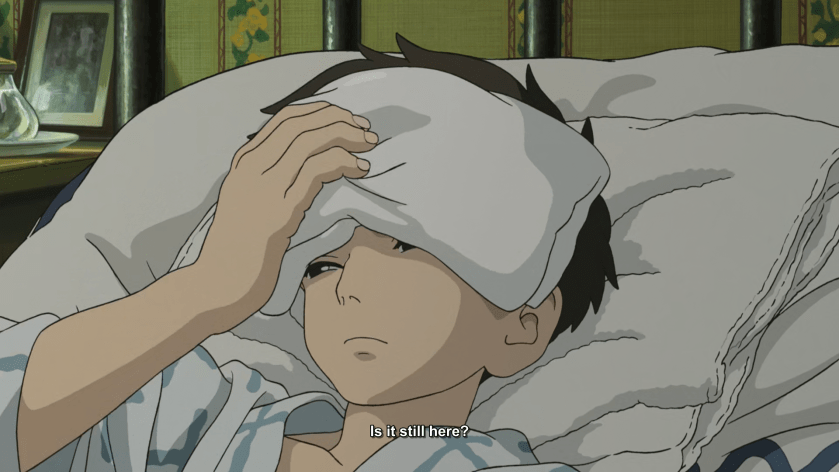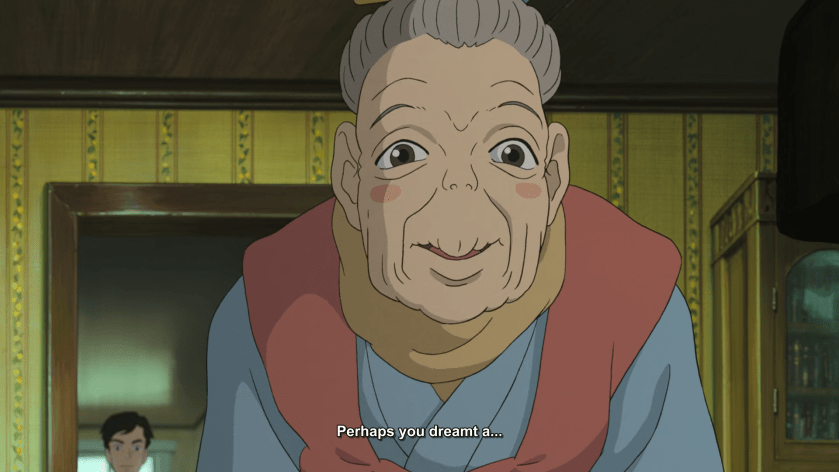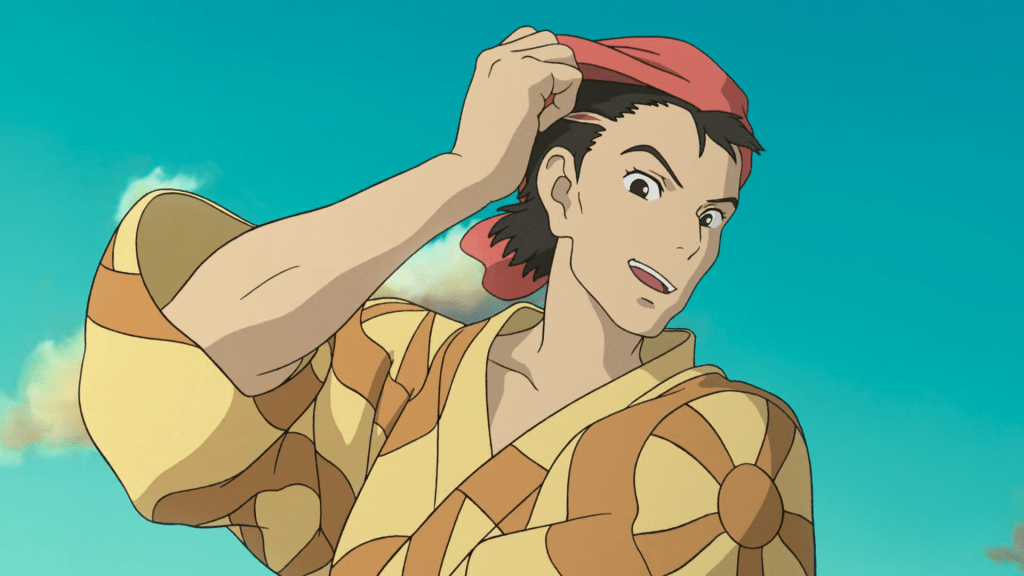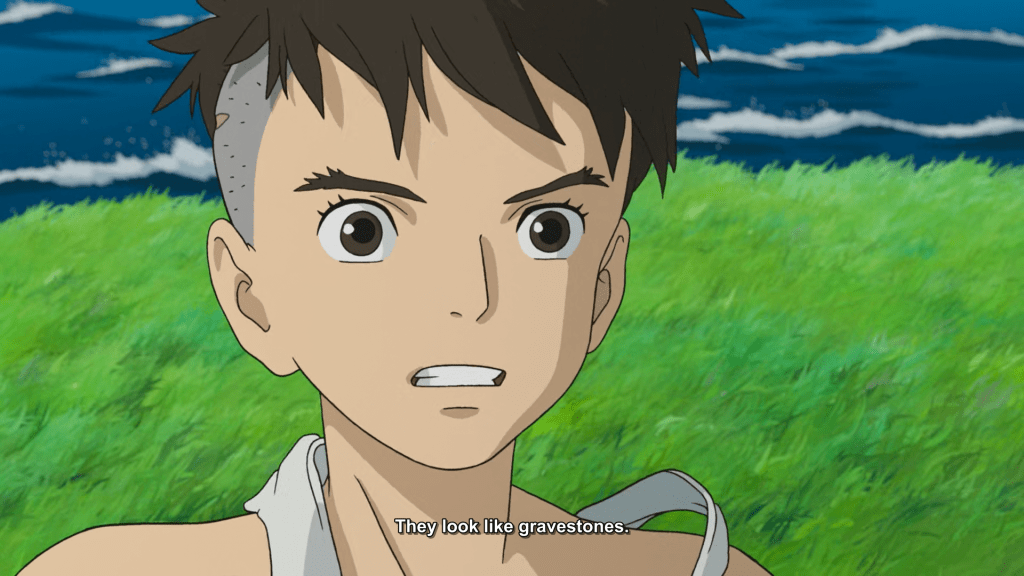
The Boy and the Heron (君たちはどう生きるか) – Bittersweet Reality of the Artistic Legacy

Studio Ghibli’s masterpiece The Boy and the Heron (君たちはどう生きるか, How do you live?) tries to answer one complicated question on artistic legacy. On surface, it is a story of boy coming out of the melancholy of his mother’s death and his new beginnings. Deep down it is a love letter from a creative father on his creative legacy to his son who wants to go on his own journey. It shows how difficult it is to make others appreciate a personal piece of creation, emotion and how to leave a truly influential legacy behind.

A creative father’s love-letter on his legacy to his beloved son
We are always in a pursuit of creation of something to ensure better coming days. Survival is one aspect of it but as the time moved on, we have comfortably brought ourselves to ensure our sustenance. Most of us can live a basic life and rarely worry about what to eat tomorrow. Once such stage is achieved, you will see that our efforts to create and accumulate still have never stopped. Now we are creating and accumulating for even better days than other, once this is achieved, we continue creating and accumulating so that our new generation will see better days. This act of creating a legacy is not just a matter of survival, it is also matter of preserving some part of ourselves even when we won’t physically exist in this world.

It is easy to see what happens to the materialistic legacy like wealth, but it becomes very tricky to handover the moralistic, value based, character-based legacy to the next generation because of the differences in the ways to live and understand the life. The passage of time alters some truths to the new generations thereby changing their mindsets and moral compasses. Even though our animal drives, emotions are exactly the same the motivations behind them change over time.

Now, imagine that you created such precious legacy which is close to you, which defines you, people appreciate it adore it but your next generation is unable to carry it forward. How do you handle such rejections? what is the resolution? Is it good? Is it bad? Is there any way around? As you love your legacy, should you force them to see the value in your legacy? And if you truly love them, should you force them in the first place to carry that legacy?

Studio Ghibli’s recent movie The Boy and the Heron (君たちはどう生きるか, How do you live?) is an attempt to answer one such complicated question on artistic legacy. Hayao Miyazaki-san has again given a masterstroke by creating a very personal yet relatable artistic narrative.

I have tried to explain the overall purpose of the narrative in this movie and will try to uncover what was the real core of movie based on the events in the life of Hayao Miyazaki-san.

The story and the meanings behind it

You will find megatons of explanations on the symbolism, personal connection of Hayao Miyazaki-san, his life, his childhood, his parents, and his colleagues from Studio Ghibli in this movie. There are many theories and cross references between the previous Ghibli movies too. I will not go into those details. I will focus on what the narrative stands as a whole.

It is obvious that it is a story of a boy who lost his mother and his journey of getting over that melancholia of her loss and acceptance of his new mother. You will also notice in the end credits that the creators have thanked a book called “The book of lost things” by John Conolly. Once you check out what this book is all about, I think you will get new perspective beyond the symbolism and references in the movie. Miyasaki leveraged the narrative of this book to create the structure of his narrative. The book also draws inspiration from Genzaburo Yoshino’s book “How Do You Live?” (君たちはどう生きるか, Kimi-tachi wa Dō Ikiru ka)
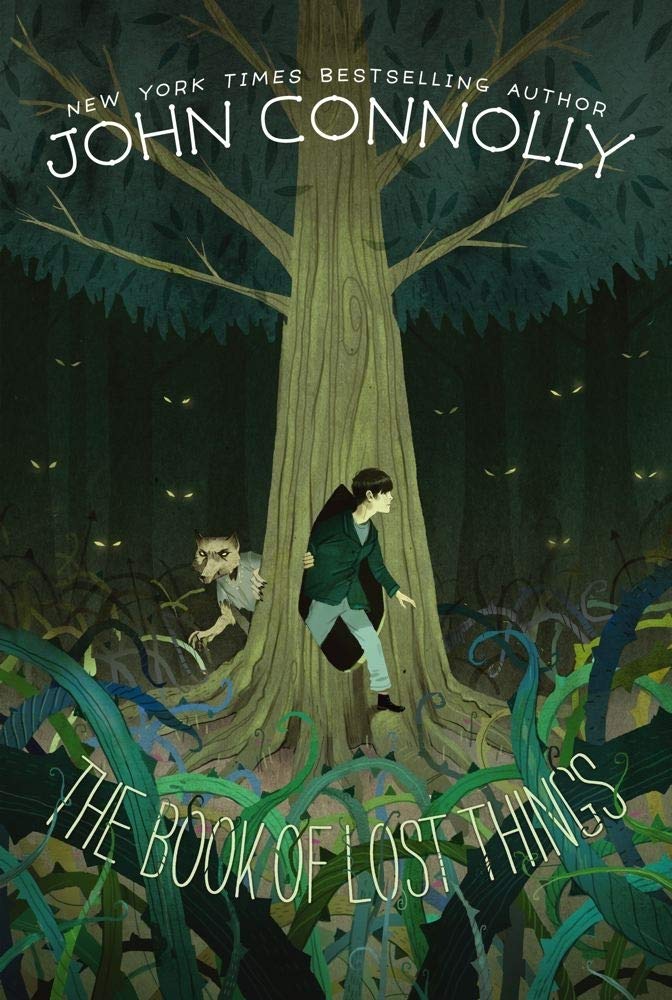
Two books which inspired ‘The Boy and The Heron’

This is the story of the all emotions that are invoked when a person loses their loved ones. The first question that comes in mind when such loss happens is “How Do You Live?”

This is how the story is built –

The tower created around the rock is a portal where you can physically access your emotions. Just like in Interstellar how Astronaut Cooper was able to physically access the dimension of time.

Birds are representation of the free flying feelings, emotions we have.
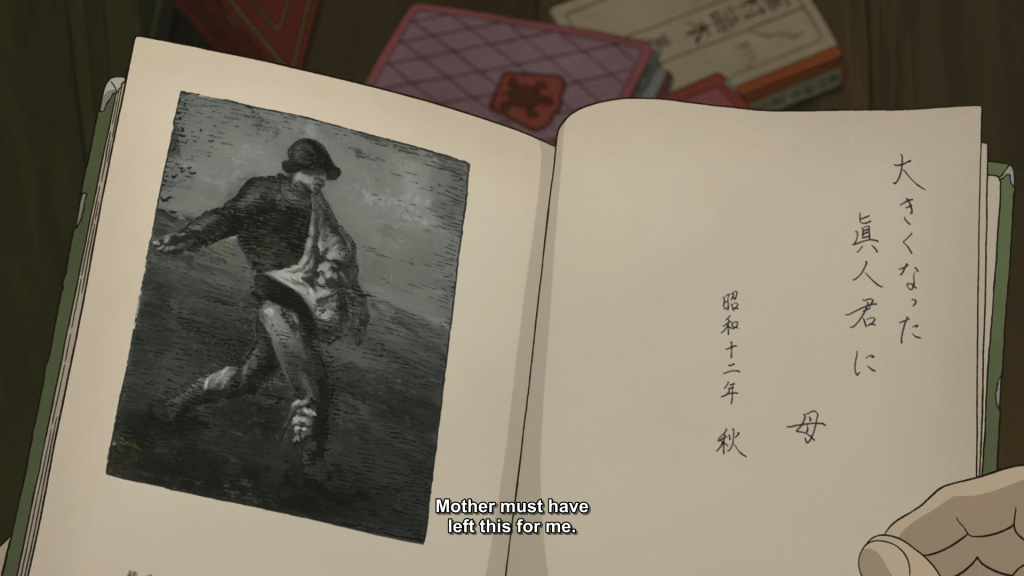
The book that the great granduncle left unread is the same book Mahito’s mother read and then it got handed over to Mahito, which is the book called “How do you live?” The book is about the conversations of a boy who lost his father and the boy’s uncle.

The great granduncle already knew that the rock from space can allow him to create the world of his dreams. That is exactly why he built a tower around it for protection. Upon going through the loss of loved person in his life, he saw himself in the role of the person who will lead and help his descendants to handle their own pain of loss. But as the great grand uncle was always into books and had his own internal dreamy world, he used the powers of the rock from space to create his own world.

The act of leaving the book unread to disappearing into something is pointing towards that intense moment when you have to act on things because the author said exactly what you believe in. You feel this urge to act and create that thing because the author, the person who you don’t even know feels exactly the same. You feel an unexplained deep connection.

So, the rock from space and tower built around it is a portal where things can enter and exit in space, time. The moment when Himi lost her mother, she accessed the portal, confronted her emotions but also met her future son Mahito.
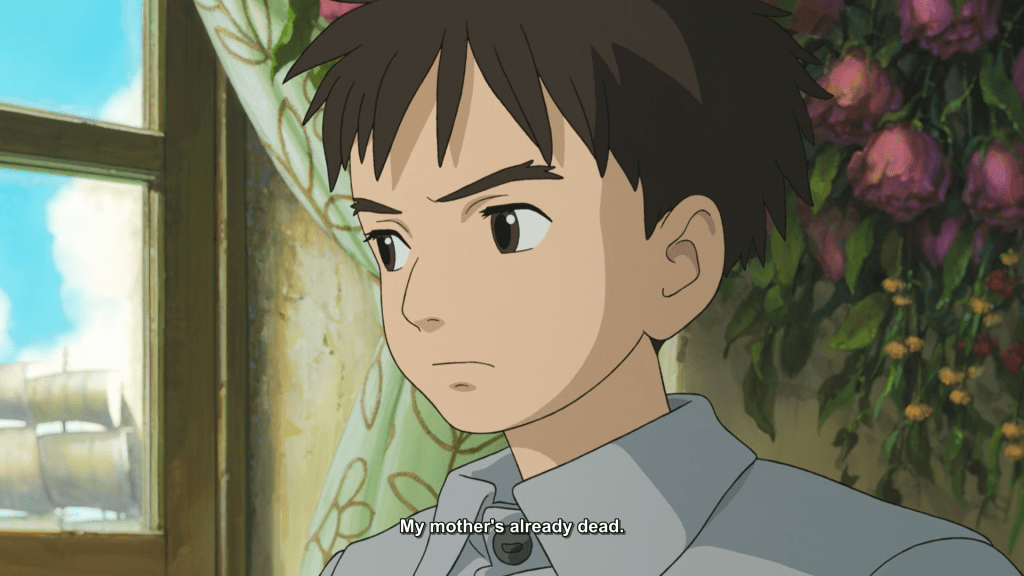
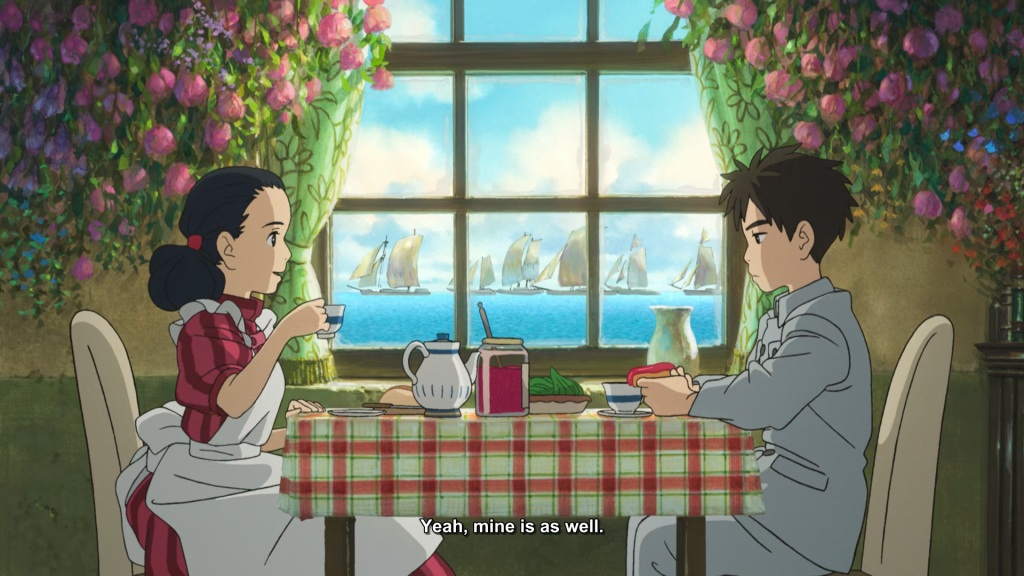
She realized that even though she lost her beloved mother, she will have an opportunity to have her own son who will love her deeply. Even when she will not be there with Mahito, her sister will love him equally. This gives her peace. That is exactly why when grannies are telling the story from Himiko’s childhood to Shoichi (Himiko’s husband and Mahito’s father) they say that she was grinning to ears – happy like anything when she came out of the mysterious tower.

The great grand uncle can call anyone to enter the tower. That is why grannies are scared if Mahito gets taken by the tower in the start of the story.

Kiriko has also accessed the portal in the search for young Himi before, that is why her younger version is available in this dreamy world and knows the ways of this world. Her older version entering into the portal along with Mahito closes the loop of time paradox if you think it through.
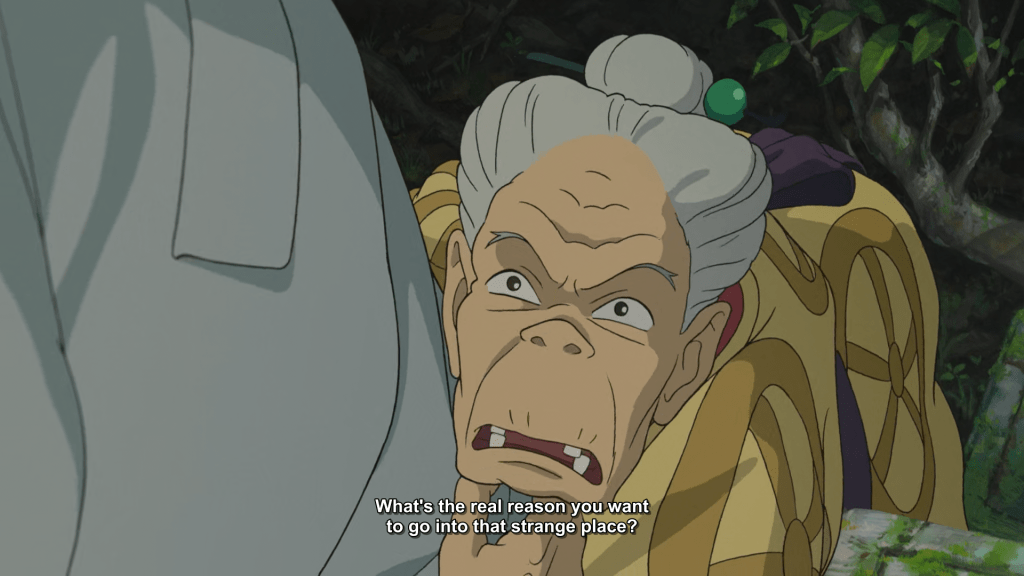
Natsuko is called into the portal to make young Himi aware that her future son will have a caretaker and lover when she will not be there for him. This helps young Himi to get over her own loss of mother. It’s that feeling of love you create for your people when you realize how deeply you loved the person you lost. You realize that your people also deserve to get the love that you received from your lost loved ones. That brings the person out of the melancholy of the loss of loved ones.

Natsuko is called into the portal to make up her mind that Mahito is also her son. She is also called into the portal to make Mahito accept that his step mother also deserves the same love that he has for his own mother. The great grand uncle is the orchestrater of all these events.

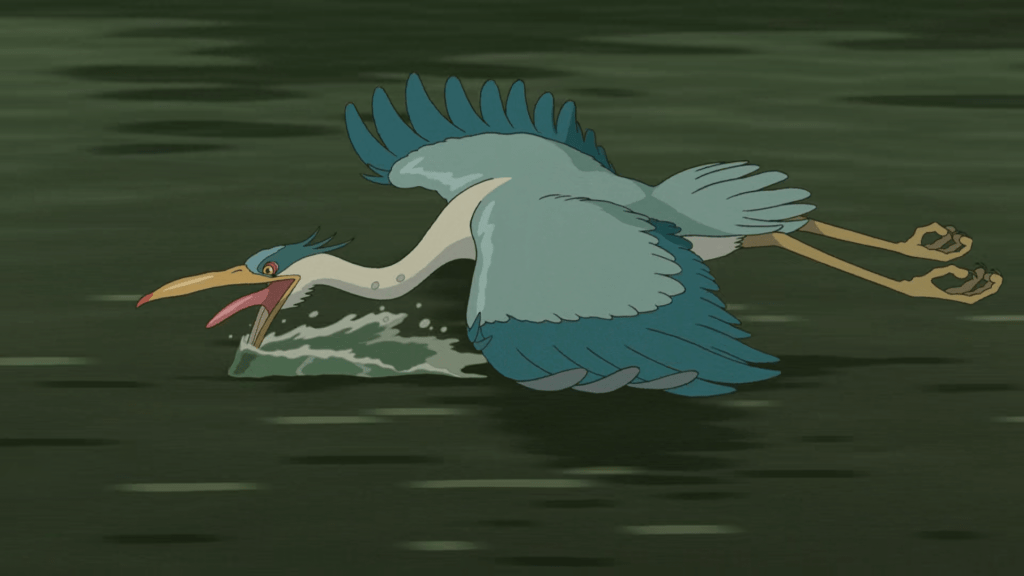
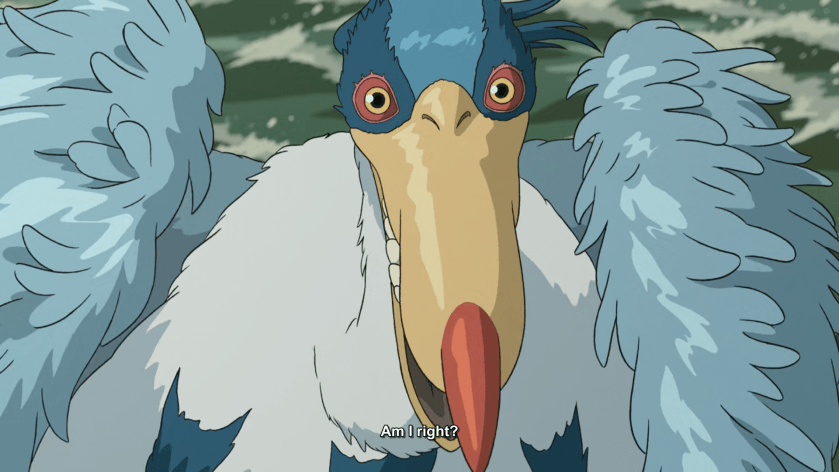
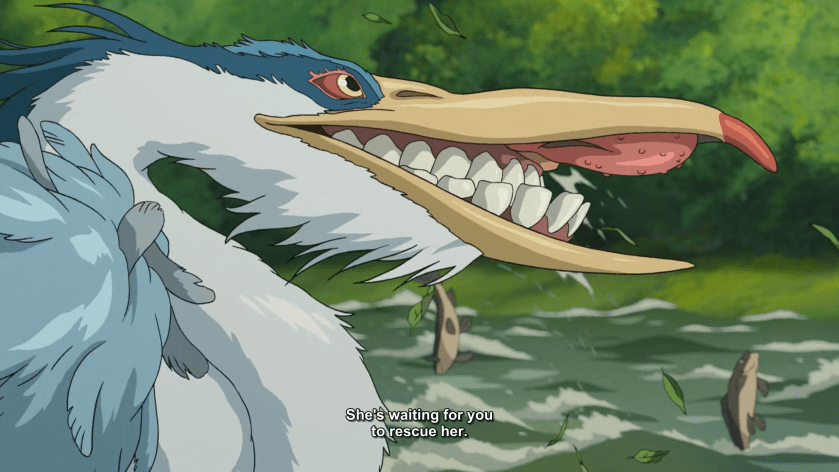
The grey heron is Mahito’s mind personified, his conscience. Heron is always guiding, helping Mahito. Mahito has this feeling that his mother is alive somewhere because he never saw her dead body. Heron attracts, teases Mahito using same understanding. Somewhere in a hidden corner of Mahito’s mind he thinks that there is still a chance to save his mother and bring her back. He is just looking out for an opportunity. Heron teases this opportunity to Mahito.
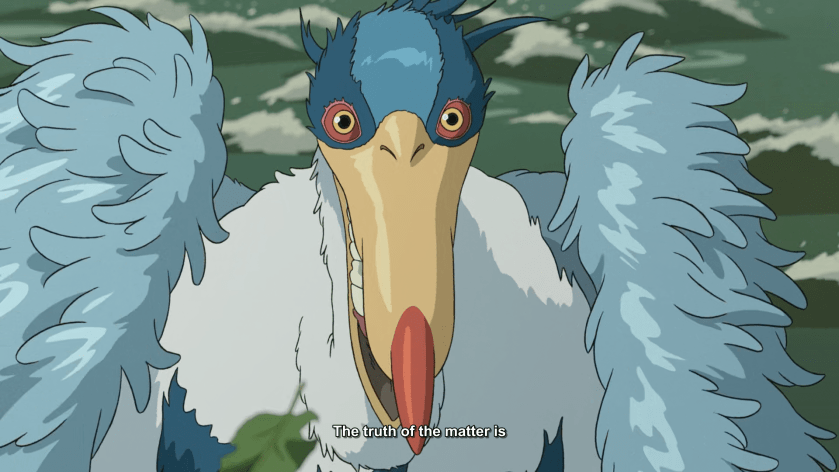
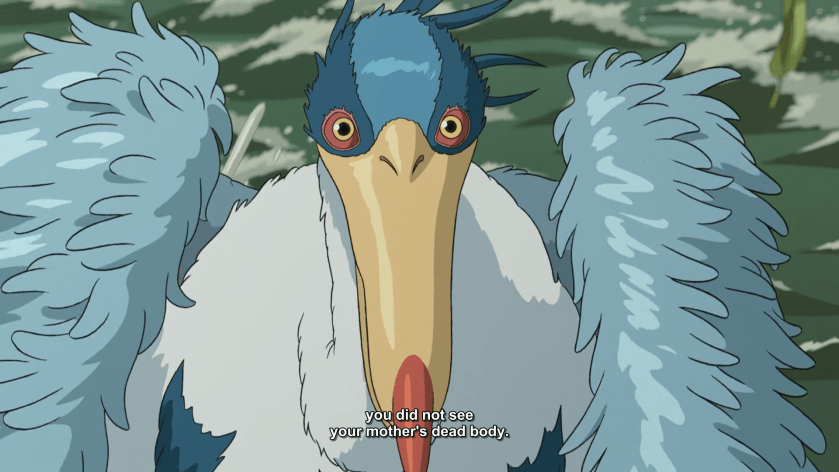
Heron like every person’s mind is paradoxical in nature. Heron is equivalent of Jiminy Cricket from the story of Pinocchio.

Most of the events between Mahito and the grey heron are Mahito’s dreams until he personally enters the tower where all his emotions can be accessed physically. That is where he is able to get the hold of the Heron, that is where the power of the seventh feather is functional, because Mahito has heightened awareness and access to his emotions.

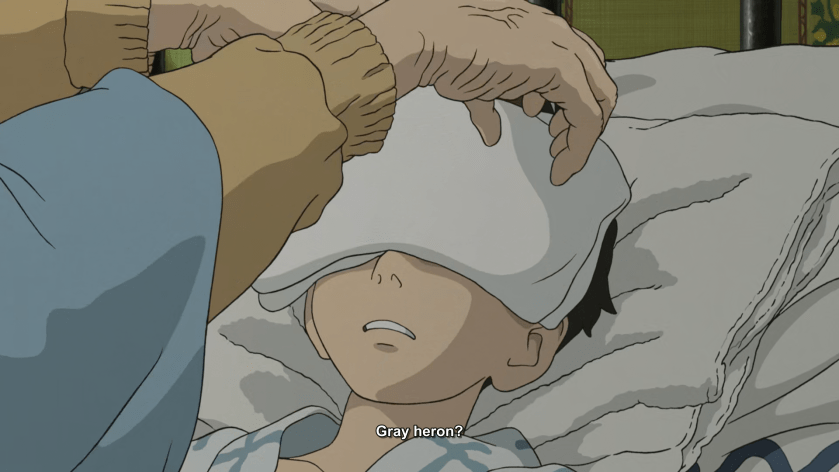
The illusion of his mother in bed is a reminder to Mahito that she only exists in his dreams not in reality.

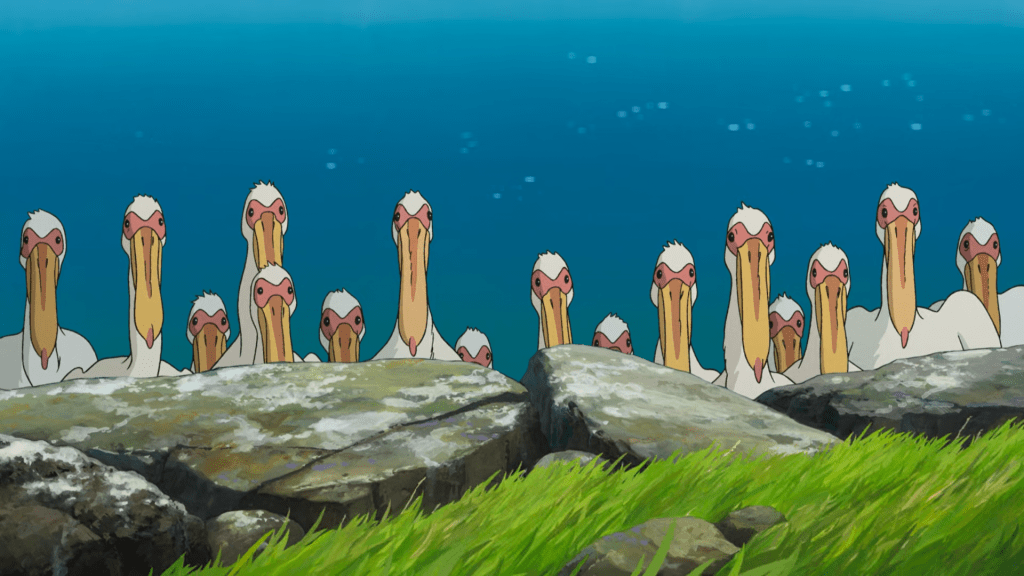
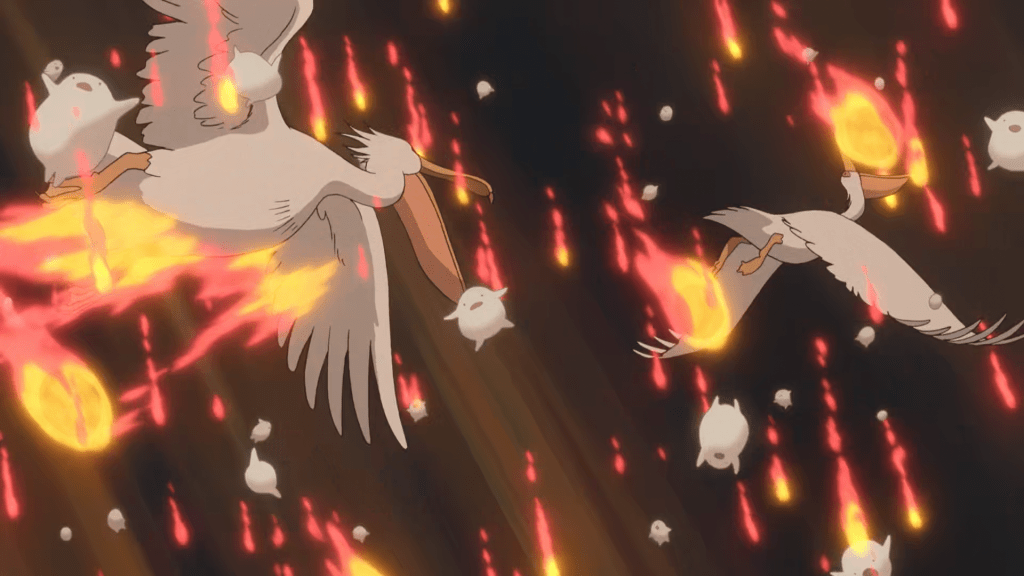
The starving Pelicans are the feeling one gets when they realize that they won’t be loved in the ways and to levels they used to before because of the loss of loved ones. These feeling to be loved, the huger to be loved by that person pushes the person to meet his loved one in afterlife. You will see the pelicans pushing Mahito in graveyard so that he can meet his mother. Pelicans are his feelings from the void of love which are pushing him to die to meet his mother in afterlife.  
Kiriko saves Mahito from his urge to die, maybe she has done same to Himi in past too. The mark left on Kiriko’s head by swamp thrasher is intentional creation to make Mahito comfortable. The fact that they both share some common pain brings comfort to Mahito. The thrasher bird is a symbol of self-reflection, it is like upon getting settled and being calm Mahito realizes that dying is not the solution to meet his mother – Himi.

Warawara and the phantoms are the attempts of great grand uncle to show everyone entering this world that life and death are part of existence. The person must accept and will have to support both, feed both to ensure that the reality remains ‘real’.

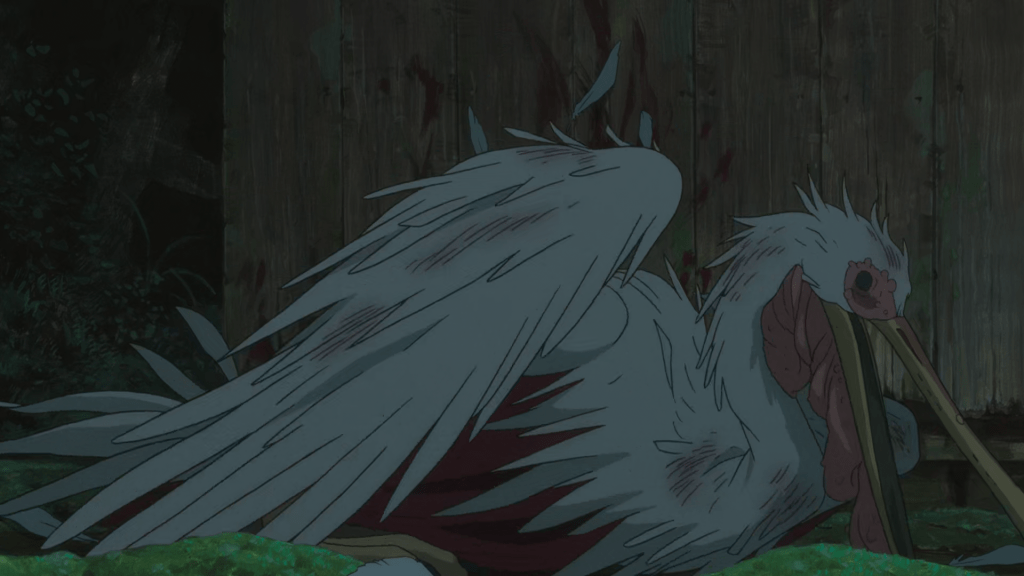
The event of giving proper burial to the dead severely injured pelican is Mahito’s acceptance to detach himself from the urge to be loved by his dead mother. This is him making amends with death and urge of being loved.
The moment Mahito accepts the weird and paradoxical nature of heron is the moment when he gets a clear direction to meet Natsuko. He literally repairs his conscience to get the clarity.

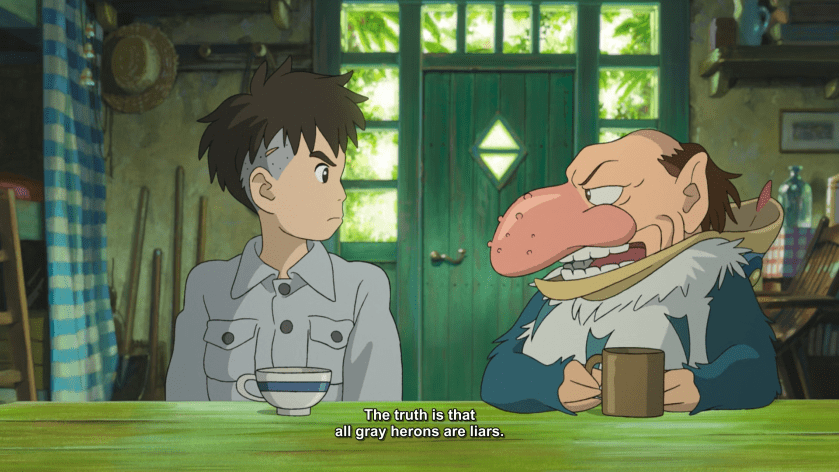
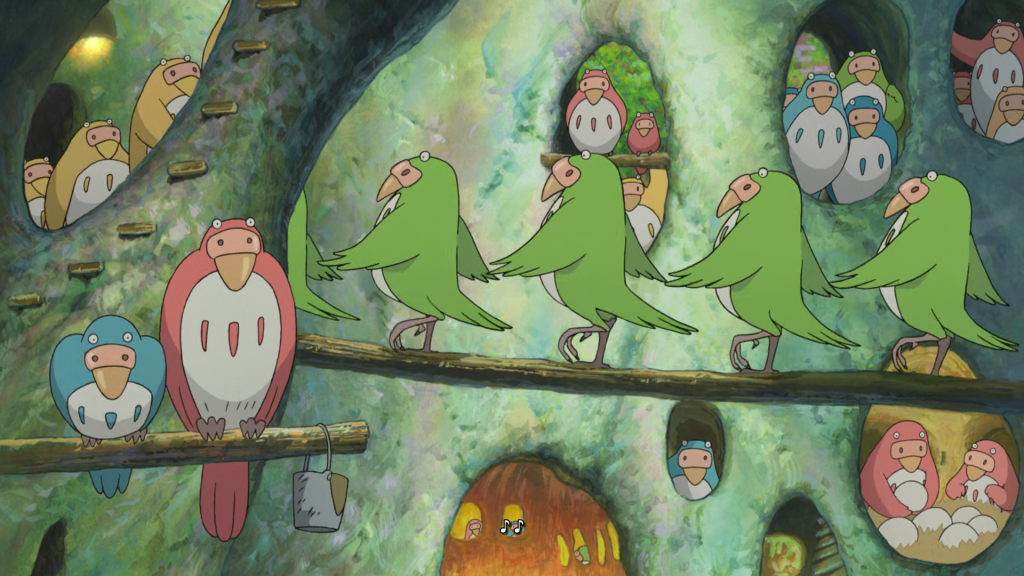
The Parakeets are the defense system of mind. They are the logical emotions, feelings that we use to defend from the sad feelings, they make sure that the system of our mind remains intact. Parakeets are the indicators of love and colors in life, when we are deeply saddened these emotions of love and colors become intense, defensive to save our mind. Here in the extreme case, they have become so strong, disciplined, and militarized that they are ready to consume their own host – Mahito. Parakeets show life, colors, happiness, anti-sad emotions, and the defense mechanism to create good for everything. That is why they have rules, moral values – the indication of what is allowed and what is not for the betterment of the host. They make sure that the person remains sane by choosing what is best for him instead of getting overwhelmed by all other emotions.

Parakeet king is the ultimate personification of such defense mechanism, he just wants to make sure that the world inside the host’s mind remains intact otherwise the host will go mad, this world will collapse.
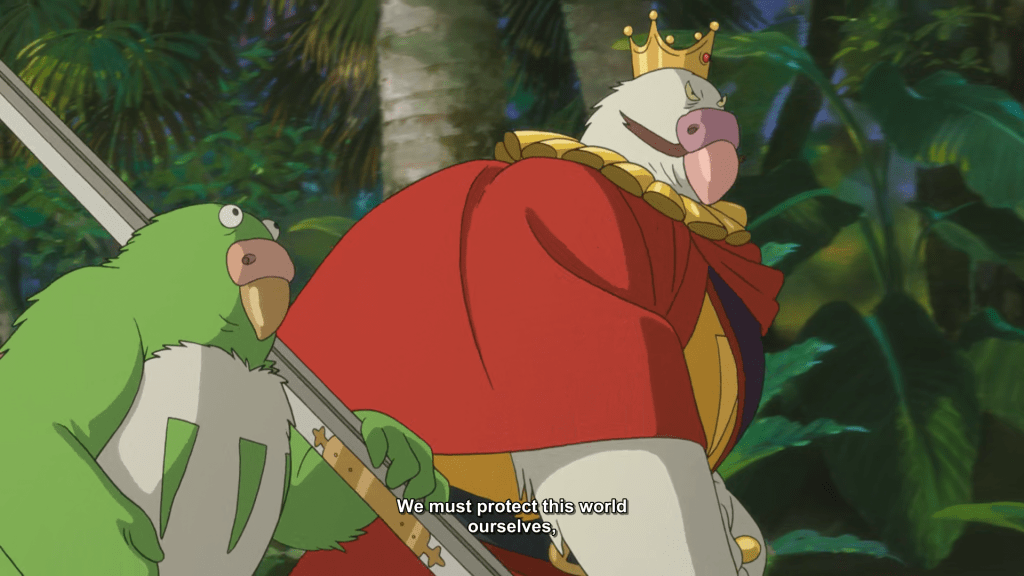
The important conflict Mahito must resolve is to find his mother. Where the great grand uncle gives him the test. You should appreciate the role of great grand uncle in this whole narrative. The very first time when Mahito is inside the tower with Kiriko, the great grand uncle could have immediately met him and resolved everything in his mind.
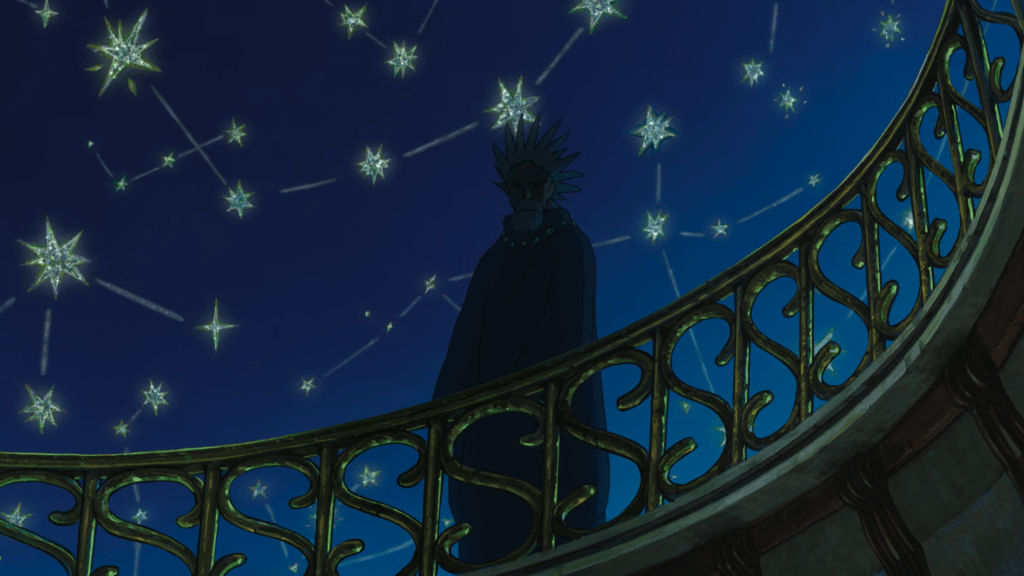
But he makes Mahito to go through whole journey because you cannot force any emotion on the person just by telling the truth. His/ her defense mechanism will strongly and willfully reject that truth. Only when that person will go through personal experience, then only he/ she can appreciate the value of truth. Uncle thus gives Mahito this final test of truth once he overcomes the obstacles in his mind.

Mahito is given the taste of truth by showing him that even though he could not save his mother Himi he can now save another mother Natsuko. This is the Natsuko who enters the portal with a feeling if she would ever truly be able to love Mahito while having her own baby. This is conflict resolution for Natsuko too. She develops true love for Mahito when Mahito lets go of his attachment to mother Himi to save Natsuko because he doesn’t want that to happen again. And Natsuko also realizes that it’s her loving sister’s son in the end who deserves the same love like her coming baby deserves.

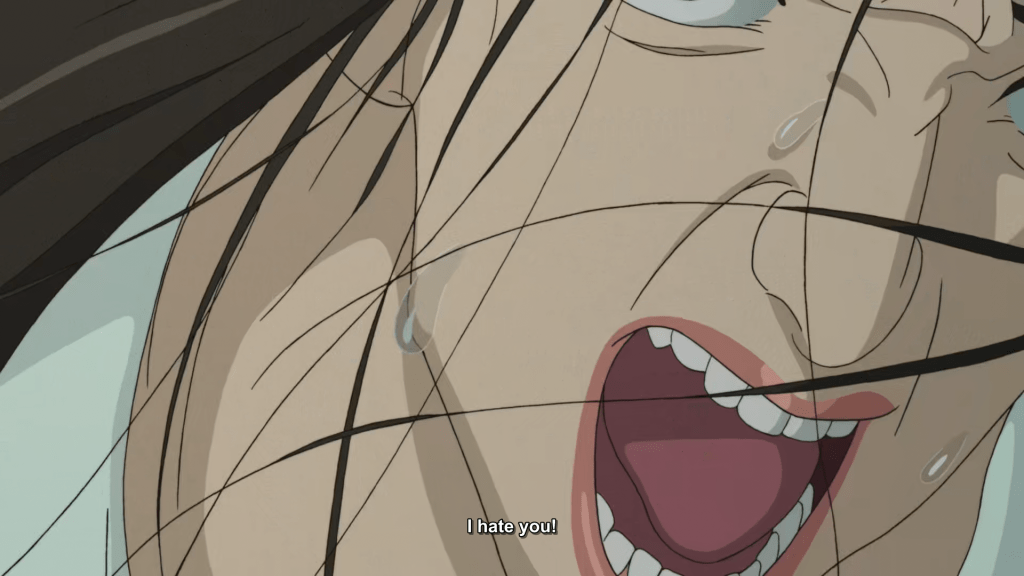
Only upon the resolution of this conflict when Mahito gets the access to the portal to meet the great grand uncle. 13 grave stones are the 13 movies created by Hayao Miyazaki-san. Which arranged in many styles create different world. They create an escape to different reality where people can manifest and physically live their dreams. For uncle these 13 gravestones are the purpose of his life, they define who he is and are his legacy. Great grand uncle asking Mahito to arrange these 13 gravestones is Miyazaki-san’s way to order his son Goro-san to carry his legacy in the exact ways Miyazaki-san intended. Mahito noticing the difference between wooden blocks and the gravestones is an indication that his life interests do not lie there, wood here as a part of tree – the life against the gravestones show that this is not how Mahito would live his life.

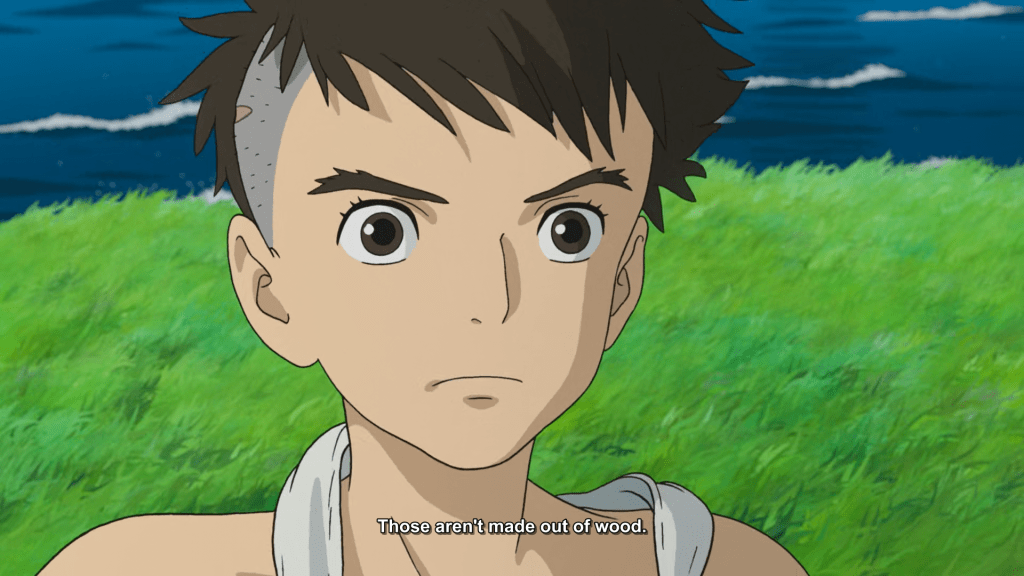
As a punishment uncle sends Mahito to parakeets. Parakeets are the structured constructs, rule, laws which ensure that the world has order even though the person may hate them. Goro Miyazaki-san chose the career of an architect because he wanted to do something different from his father. Hayao Miyazaki-san asked Goro-san to create artistic movies exactly in his “Ghibli” style but Goro-san’s artistic creations never matched the Hayao Miyazaki-san’s Ghibli vibes. It’s like his creative powers were restricted due to the parakeet like strict construct, high expectations and extreme criticism of Hayao Miyazaki-san. The great grand uncle had some hope that Mahito will accept what he wants him to appreciate.   

Mahito’s own conscience – the Heron comes to rescue him in the end. Grand uncle asks Himi to leave this world and also tells that Mahito should also leave with her. He is hoping that there is one more chance to convince Mahito to take care of what he had created. When Mahito and Himi meet the great grand uncle to bid goodbye the uncle presents Mahito some stone without malice. It is uncle’s attempt to show Mahito that even though his creations have their challenges, rules, restrictions Mahito still has freedom to do anything with these new stones free from Malice. It’s uncle’s attempt to convince Mahito to not lose the grip on the legacy. It is Hayao Miyazaki-san’s desperate way to reconvince his son Goro-san that he just needs to create for the studio Ghibli by using some new things – new experiments but just keep studio Ghibli alive. He wants Goro-san to create so that the world of Ghibli will bring bounty, peace and beauty into people’s lives. It’s not just a selfish request for continuing the legacy. It is a request to maintain the core of his legacy – Miyazaki-san’s legacy.
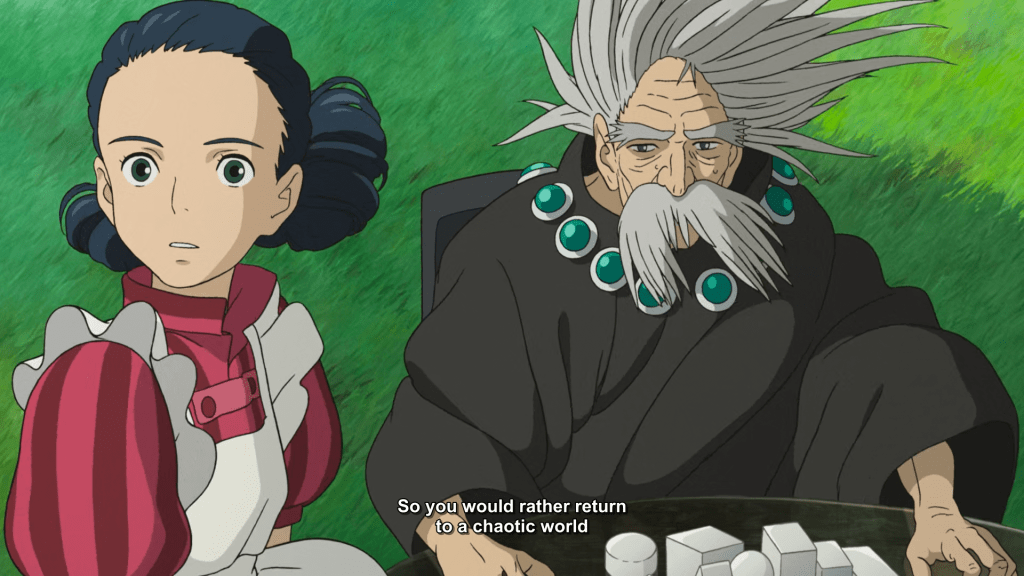
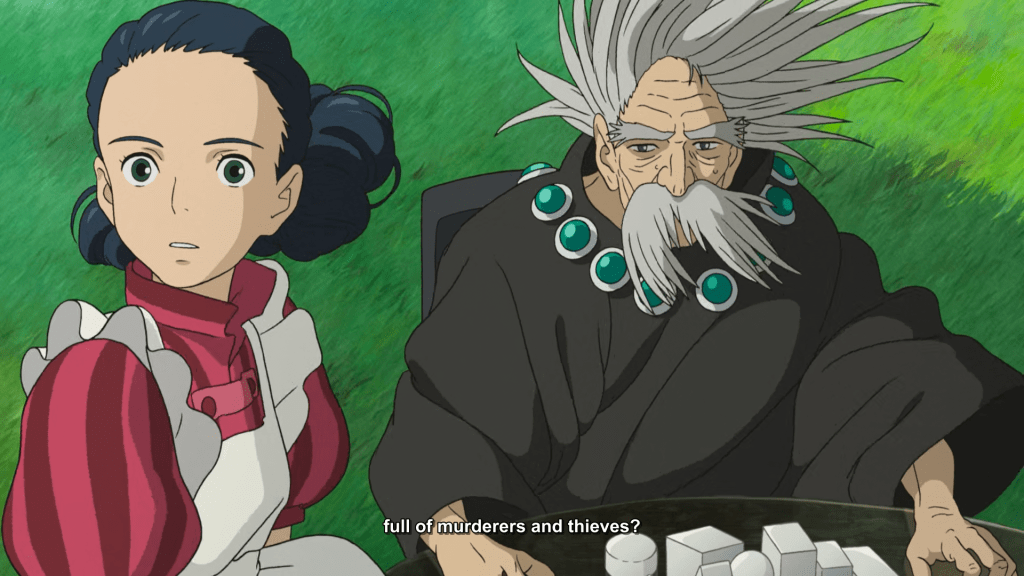
Mahito responds to great grand uncle by saying that he has his own challenges, his own malice, his own limitations which make it difficult to carry this legacy. Mahito wants to return to his own real world even when it has some darkness, bad things. When uncle asks him that Mahito’s reality is a chaotic world full of murderers and thieves Mahito responds by showing that he has good, caring, and loving people along with the heron – his conscience to support him there.

This is also important moment for Himi where she is relieved that even when her son will lose her, Mahito will have enough support system to take care of him. This is one more reason for young Himi to return happy to her reality.

Uncle then ordering Mahito to just stack the stones for last time would be equivalent of the discussion happened between Hayao Miyazaki-san and Goro-san on the creation of one last project for Miyazaki-san’s peace of mind. Maybe Miyazaki-san just like the great grand uncle wanted to play a trick on Mahito – Goro-san to convince him to continue the legacy.

Finally, the Parakeet king trying to arrange the blocks by himself is the futile attempts of the admirer of great grand uncle’s creation to ensure their own survival. But as there is no personal connect between them, the Parakeet king doesn’t know the ‘art’ of arranging the stones. When the attempt fails and the world collapses as the great grand uncle had already expected, he instructs everyone to leave the tower and return to their respective reality.   
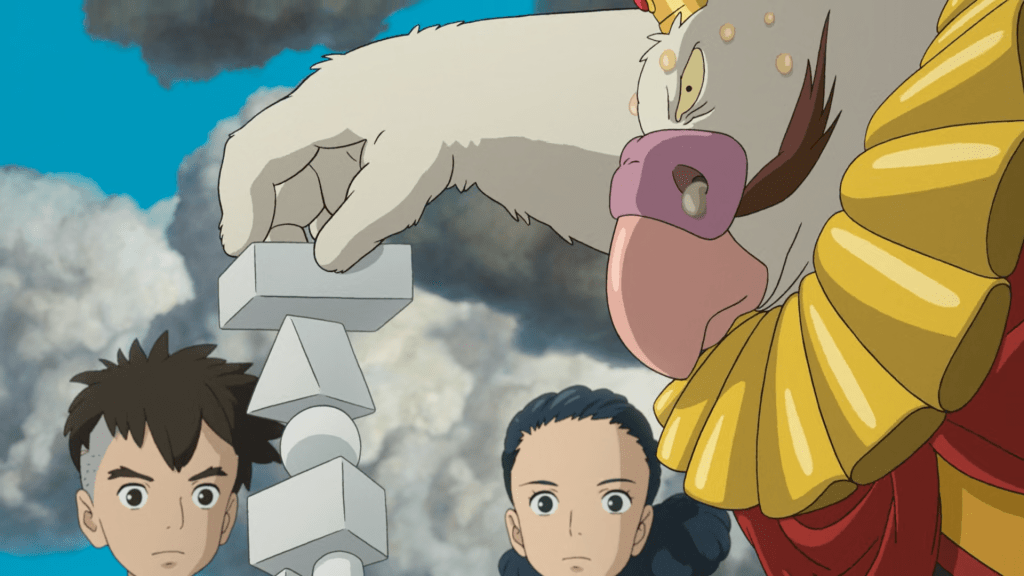
You must appreciate that there would have been a proper intimate discussion between Hayao Miyazaki-san and Goro-san on how to take over this legacy and continue the future of studio Ghibli. Rearrangement of 13 blocks shows advice to use the styles and ideas of Hayao Miyazaki-san’s movies to create further new stories.

The resolution of Mahito returning to reality is Hayao Miyazaki-san’s way to show that the path has already been chosen and good thing is that it is more real than anything possible. It could be ugly, full of malice, murderers, death, grief and detachment but is far better than dreamy and perfect world. Looks like Goro-san successfully convinced his father Hayao Miyazaki-san that his father’s reality of Studio Ghibli is not the only reality, only legacy which deserves to exist. Hayao Miyazaki-san also realized that if he truly loves his son, he would let him go on his own path, to create his own art. Just because he is too attached to his creation does not entitle his son to carry it forward, especially as a burden.

It’s poignant to come to this fact but it is what it is. That also doesn’t stop either Hayao or Goro-san to create the world they want. (there is a rumor that Miyazaki-san is working on his next film.)  
The Curse of the Intangible Value of an Artistic Creation

For any true artist, it is the expression through creation which matters him/ her the most. The art they create is exactly who they are, it is a part of who they are. For such artist who has realized that they will have to leave all this creation behind in the end, search for the true successor who can appreciate their creation is crucial.
And the problem with artistic creation is that they are very intimately connected to the person who created them – the artist. It’s like the bond of a mother and child – she has carried that child for 9 months in her belly, it’s a piece of her body and soul. In similar sense, that art held its root in the artist’s mind and the artist kindled it in his mind to finally bring it into the reality. The fundamental problem with emotions is that you have to pass through those feelings to appreciate them in true sense. You can intellectualize other person’s emotions, write about them, create narratives/ stories out of them. You can make philosophies about how and why people have certain emotions, why they feel sad, happy, melancholic. You can also simulate pain to induce the feelings of emotions in a person, you can simulate happiness by triggering certain chemicals and suppressing others. But, you must accept that unless and until you yourself don’t pass through that real-life emotional experience, you will never be able to appreciate and understand how others felt when they had similar feelings. You can be highly empathetic, sympathetic but they too are bound by the limitations of you own mind. You can be a highly intellectual person who has already figured out what action would lead to what emotion, what is good for your mind, what is bad for you, you may create a whole internal defense system to handle the anticipated emotional responses but the experience you will have when you pass through that emotion will be very personal and the art created after the passage through such emotions cannot be attributed to any tangible value.

Now think of handing over such a creative legacy to you descendants. You are confident about this handover to your children because they are your immediate physical extension and if you are lucky then maybe your immediate mental extension too. But, as I already clarified in previous paragraph about the curse of intangibility, the intangible subjectivity of any artistic creation, there is no guaranty that you descendants will resonate with what you believed that art to represent.

It feels cruel to realize this fact but believe me it is the reality. Others, especially the people you call yours are not entitled to appreciate the things exactly to the levels you appreciate. I agree that they should at least not disrespect it but you can never force other people to appreciate ‘your’ valuable things at your exact same level. This journey has to be made solely by themselves which will never be in your control. You may force them, influence them, punish them- abuse them mentally, physically but you cannot force others to generate the same respect, same value for the things you love. It’s purely an internal and voluntary journey.

That is why having people who resonate with how you appreciate certain common objects and common emotions is a blessing. This also does not mean that people who perceive something different for the same objects are bad. There can be cases where they perceive something even better than what you perceive and where they do not even care but that’s not your fault. In order to find clarity in these cases you have to accept that emotions are double edged sword. It will cut both ways. Even when you have anticipated, planned, intellectualized them, you cannot escape your emotional responses. What you can do is to observe them sincerely and let them pass. You are not your selective emotions; you are above them. Emotions are not your creator rather you are the creator of your emotions. The moment you accept this you will see the truth that not everyone, not even your own blood is bound to experience the life around you in the exact ways you want them to. The moment you will appreciate what I am trying to put down in words, I think you will feel liberated. Please understand that this is not just about any artistic creation, it is about everything you call your life – mental, physical, tangible, intangible. To live a life with this intensity could be a blessing (on personal level if this intensity is not anticipated well in advance or not controlled then it is one cruel curse to carry.)

I think this is exactly what Hayao Miyazaki-san was struggling with. But as the movie resolves I think there is still hope for him, for the studio and in the end for all of us rooting for his next movies. It definitely is not a sad ending and even if it is a sad one we know what great things they made us feel about ourselves, how they gave us better perspectives towards life. I think that his true legacy is all his admirer, we people altogether whose lives he changed through his creation. Even though his movies won’t be there, what they have made us feel – that legacy of having a perspective towards life will keep on affecting new generation through us.   
To be honest, for me it’s a love letter of a father to his son who doesn’t want to follow his father’s legacy and wishes to go on his own journey.       
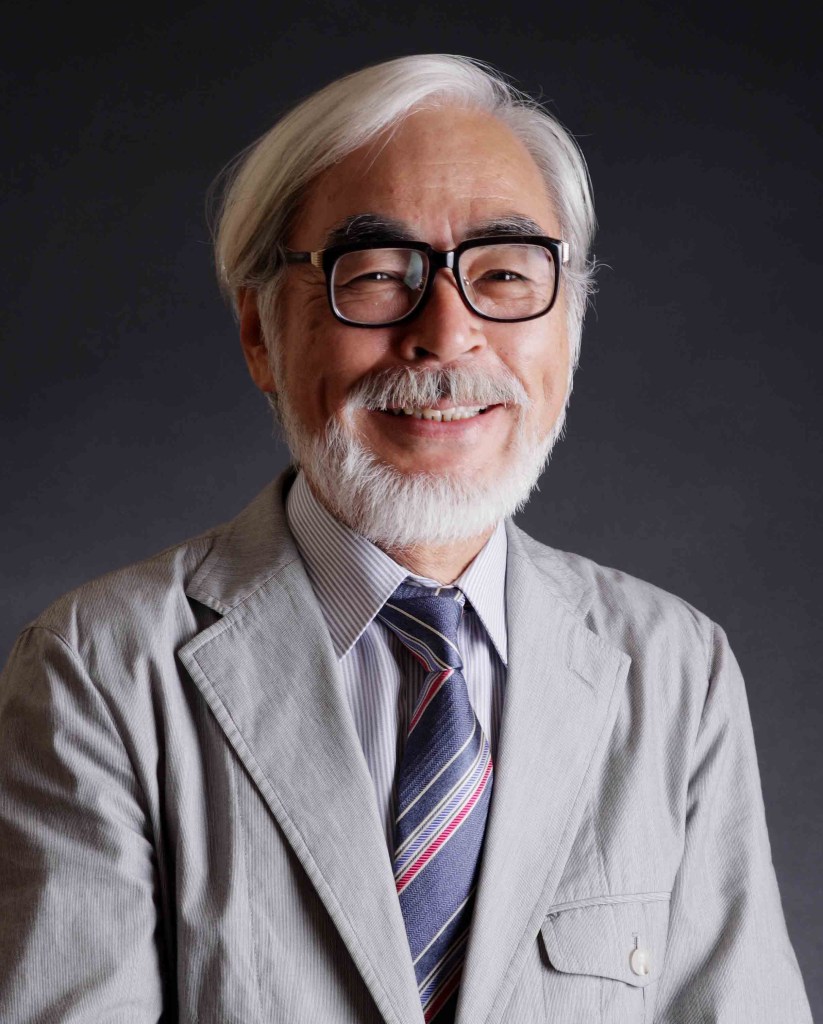
The Father Son – Hayao Miyazaki and Goro Miyazaki

  • All movie scenes from Studio Ghibli – Hayao Miyazaki’s movie The Boy and the Heron
Alienation and Creativity

Creation for capitalism, consumerism and pleasure maligns its true purpose which actually is to create joy and a sense of belonging, comfort and safety. Alienation is the end effect of such capitalist processes where people have isolated their humans side for the rat races and FOMOs. Pure creativity, empathy, connect with nature and self can help use to preserve that human core and come out of the alienation.

How true forms of creativity can help us to reconnect with our human core

“On The Train Ride Home” by The Paper Kites

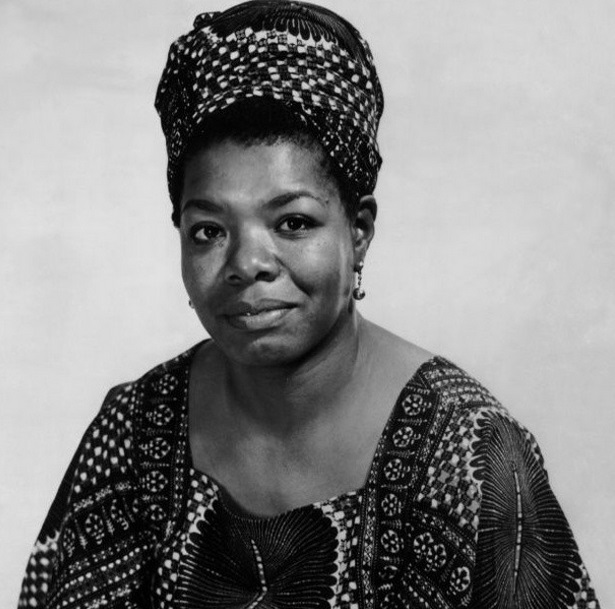
I long, as does every human being, to be at home wherever I found –

Maya Angelou

Humans – the creative animals

I think creativity is the most important quality granted to human beings. Nature in itself is the ultimate and the best creation which at the same time is also the creator of many things. Animals, non-human beings too have the gift of creativity to certain extent but human beings have outperformed in using this gift of creativity. We are always creating something, we have tools, we have automated processes to create anything we can understand. This creation of things has led us to becoming the most developed species on the planet. Creation can be in any sense – creation of music/ art/ cultures, families/ society, factories/ industries/ conglomerates, institutions/ organizations, cities/ metropolitan, governments, policies, supply chain, and what not! All these creations are intertwined to prove how advanced the human species is. You must also remember that once a process of creations starts generating fruitful outcomes it gets automated to optimize, to improve the efficiency. Most of the times we forget that some creative processes are not meant to be optimized because value of their outcomes is not materialistic. The concept of efficiency and/or optimization is purely materialistic concept. But as we are progressing ahead as the species, most of our creation processes are getting robotized, where materialistic outcomes are more important than the process of creation itself.  

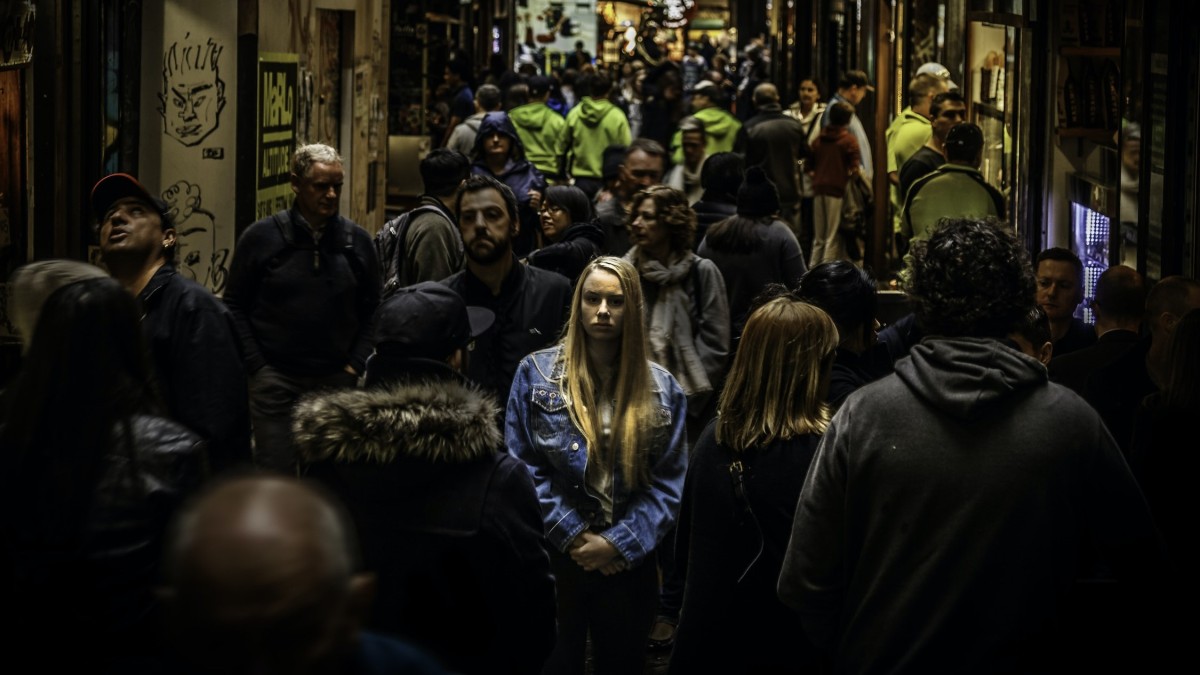
Young generation has crucial role in deciding the future course of our species, especially when we have this great tool of creation – our creativity itself. People of my generation (millennials and Gen-Z to some extent) are the key creators of this time who will decide where our future will lead us. This generation is completely busy in various ventures of creation to justify their own life. But, as I have mentioned before, our creation processes have become so mechanistic, so robotic to gain more, extract more materialistic outcomes that this young generation is getting more and more detached from the real purpose of creation in its true spirit. The consumerism and (crony) capitalism has thrown today’s youth into a forced state of alienation in spite of being living in crowd, densely populated resourceful, glamorous cities. We are lonely in spite of being surrounded by the crowd.

This loss of attachment from the spirit of creation has led to the alienation of the today’s young generation – who many times go through the feelings of isolation, meaninglessness, directionless, confusion – it’s not just a normal existential crisis through which every young generation of their times goes through rather it’s the blurring of the true spirit of living in today’s young generation. Please keep in mind that it is not mistake of this same young generation. The system, society, institutions have evolved in such way that the creative processes are getting designed more for materialistic optimization instead of getting created for the real upliftment of the human civilization. Feels like we are losing touch of the real purpose of our being.

An Australian indie rock band called The Paper Kites released a song called “On the Train Ride Home” which in my opinion tries to touch those feeling of “alienation” which our today’s young generation is going through. Deep down we all know what we really want, we know what our core is but the systems in which we are living today have made our lives more and more mechanical, even though we are in the process of creation that creation no more belongs to us, that detachment, that alienation, that freedom from the vicious capitalistic cycle is what we are yearning for in the end. This is what this song for me is.

The Paper Kites
L–R: David Powys, Sam Bentley, Sam Rasmussen, Christina Lacy, Josh Bentley

I will dissect this song from the point of alienation; for me that is what it is all about.

The lyrics of the song is credited to Samuel Bentley, On the Train Ride Home lyrics copyright: Wonderlick Pty Limited

(It’s a song which needs to be treasured, hidden from others so that no one spoils it and I know I am committing a personal crime by exposing it. But such creations need more exposure and deserve proper appreciation too.)  

Waiting down at the station
I don't remember, think it was late then
Standing, always so quiet
We're like elevators filled up with strangers
No sound, no hallelujah's
Still I was praying on the train ride home

The starting of the lyrics creates an imagery of the person waiting for a train home. The complete separation from the surrounding has made this person to forget vivid details, it shows the mundane-ness, the separation from surrounding to just reach a safe, calming place which is home. The feeling of loneliness in spite of being in the crowd shows how there is no emotional connect between people. Elevator filled with strangers shows that people are closer and more connected, more accessible but they are not closer emotionally. This is exactly today’s situation, social networking and internet brought us so close that we can ‘poke’ our friend living in another hemisphere within few seconds and still we will see people craving for true connections more than ever. No hallelujah’s shows the loss of spirit, loss of soul in people who are part of this – physically close but emotionally isolated crowd.

If I can't get the things I want
Just give me what I need

Here, the person is aware of the difference between wants and needs which shows that his/ her separation from home to go to the crowded place to create a better resourceful life was not the ultimate goal. This is the only way through which this person can live a life. The system based on the cycles of consumption has narrowed down the meaning of living a life to mere survival. One can get as many things by obeying this cycle of consumption but it will not satisfy the hunger – the emotional hunger, that intimate craving of humanity. The distinction and use of wants and needs is a very smart way to show how the person is trapped in the system to survive but deep down they know what actually makes a fulfilled life. That is why person asks for basic fulfilment if not all what they desired.       

Our words fill up the pages
Fill up the days with psalms for the ages
Still those vows that we all speak
We break them like concrete
And just make our words cheap

This part of song shows how words have lost their worth. Words in the sense the sense of commitment, sense of loyalty to keep the promises. The piousness of the daily prayers, the vows are less cared for. This expression shows how insensitive we have become to just gain the materialistic means, to survive.

This is exactly where it struck me that this song is not just about average existential angst every young generation goes through; this song is more about the alienation of a person where system does not value real creativity – which gives our lives meaning. The system now has been maligned with the materialistic efficiency. Consumption has become more important than the end effect it creates. Mention of “wants” and “needs” thus highlight the culture of consumption here.    

I want someone to grow with
Songs I can sing to, and I family to cling to

The song tries to conclude with the ultimate pursuit for living a better life. Why are we all doing the things which we do? Why do we go on job? Why do we work all week, live paycheck to paycheck without any greater purpose – in spite of knowing that we hate this work at its core? Why knowingly, intentionally are we craving for more and more materialistic pleasures?

I think it is because of the recent vile cycle of consumption. I have a reason to justify this. Somewhere we know that the process of creation in which we are involved is not doing justice with our pure humanistic core.

As a human being all we crave for is the mutual growth, sense of fulfillment, love and intimacy for each other in this limited time on the earth. We know that ultimate goal of creation should be this humanistic goal, but the moment the creation loses this human touch we suffer from alienation, a sense of directionless, sense of being confused, a sense of trapped inside an infinite maze. This is the exact moment when the person craves for home, family and intimacy.

The train ride home is that craving for being the real human being who values emotions, commitment, love and happiness of the loved ones.

But If I can't get the things I want
If I can't get the things I want
Just give me what I need

The person understands that in this seemingly flashy, attractive, glamorous but mechanistic, mundane, lonely and unemotional life there is some hope that they at least will be able to preserve their human core. The request for the “need” over “wants” is the cry for that preservation of the human core.

Alienation

What urged me to completely (and maybe blindly) associate the lyrics of this song to alienation is how Socialism defines the concept of alienation. Karl Marx identified how a process of creation thereby value creation could isolate its creator from its creation. This isolation of creation and creator once intensified removes all the human, emotional attributes from the process of creation and here the brutal capitalism starts. The creation is now mere a mechanical, boring routine of materialistic revenue creation where humanity has no value.

Karl Marx on alienation

Karl Marx presented very beautifully the purpose of creation in human life. It is what separates human beings from other animals, non-humans. We are always involved in creative process which have a personal purpose, a meaning. That is why our creations and it’s end results are so intense and are way different than how other non-human creative processes. The moment such processes start demonstrating the separation of creator, the process of creation and the end-product of creation, capitalism/ consumerism start peeking their head out thereby slowly eliminating what made such things processes humanistic. This exactly is alienation, there is no sense of home, comfort or belonging.     

Marx defined four types of alienation in his discussions:

Alienation of an object –

A factory labor stitching the designer clothing does not bear the capacity to own it and enjoy it. Even though the labor holds the skill and knowledge to create that fancy clothing the system is rigged in such way that the emotional connect between creator and creation is lost forever.

Alienation of process –

The process of creation has become so mechanical, so repetitive to improve the efficiency and to increase the output that humans involved in them have also became mechanical, unemotional. Today’s young generation working in mundane jobs, the jobs they hate only for the paycheck and the job without any personal purpose is the example of that alienation. The separation of creator from objects makes the object accessible to anyone but this accessibility is not equally distributed because the input to output ratio is highly skewed. The value that is created in the creation of the object does not reward the creator in any good way thus creator – the labor remains poor. This also make the creator to lose the faith in the process thereby leading to the alienation of the process.

Alienation of species-being –  

The moment this mundane, highly optimized process does not bear any real humanistic purpose, the creator no longer follows the process to reach a better position in life spiritually, intellectually through the process of creation. It’s like the human creator has become a machine giving throughput. A sense of being a better species is lost forever – this is another form of alienation.

Alienation between humans –

Once the creator no longer has a direct connect to its creation, has no faith in the process for better pivot of meaning, has no sense of humanity, the value for another human life is lost. It is not because the creator or this person demeans or belittles others, it is because the creator himself/ herself does not consider their efforts their value of better worth, hence same treatment is given to people in their surroundings.

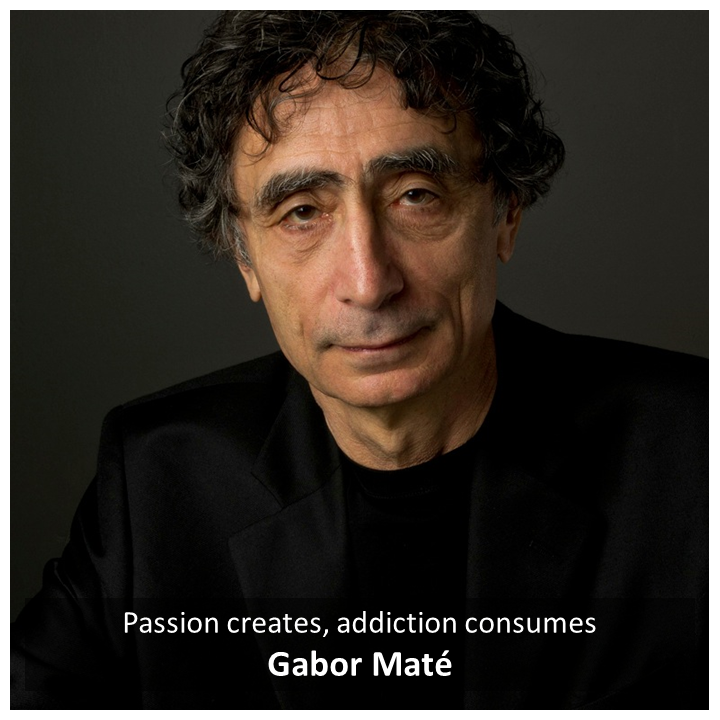
There is one famous snippet of a speech from Gabor Maté, a Canadian-Hungarian physician who has done work in ADHD, trauma, childhood development.

Gabor talks about broader scope of alienation which somewhat is based on the Marx’s idea of alienation.

Alienated from nature –

We as the human species no longer have that connect with nature which has resulted in its deterioration. You might have seen that there are still some tribes living in the remotest, inaccessible areas round the globe which are completely in tune with the nature and have preserved it. Today’s consumerism has detached our objects of consumption from their consequences on nature thereby destroying it.

We have to somehow re-establish that connect with nature otherwise nature has its way of adjusting things (we are seeing its effects all around the globe). And remember that this re-connection is also linked to we being the human beings. I mean, who doesn’t like lush greenery, pristine rivers and remarkable biodiversity!

One of the first condition of happiness is that the link between man and nature shall not be broken.

Leo Tolstoy
Alienated from work –

The works we are engaged in are rarely driven by a meaning or a higher purpose. Even if it has some meaning it is immediately inked to some materialistic thing, there is nothing wrong in it as far as survival is concerned but at least this awareness should push us to work for the things with higher humanistic, spiritual purpose, that is our real core as the creative beings. The alienation from work has led to depression, anxiety, emotionless feeling, numbness among every one of us. We are replacing this meaninglessness by other material means which involve how we look, what we possess. Such means of damage control are creating more damage to who we are and what we work for which defines us. You will see, the economy we live in highly focuses on associating meaningful experiences to materialistic products.

Alienated from other people –

The moment we lose the hope and connection between our surrounding we are losing some human part in ourselves which dims down our perception of humanity for others. We trust very few people or almost no one, the relationships rarely have that depth, that intimacy. Social structures based on the depth of relationship are dwindling. The mental illnesses are emerging due to the lack of social emotional support system, growing intolerance, apathy on global level are also effects of that.

The start of the song where it mentions people filled in the elevator, disinterested and having been lost their spirit is the same alienation.

We have to start forgiving people again, create safer environments where we can express ourselves without any prejudice. It is scientifically backed that putting trust in people and treating them with high worth makes them trustworthy and high performer (see Pygmalion effect) In the end, everyone of is craving for someone to rely on and also someone who will make our sacrifices worth of the hardships. Associating positivity of self-worth to being appreciated and being respected for who we are is hardwired in our human circuitry. Our existence gets redefined to higher standards the moment other people (even single person) recognize it. (History has examples where people did impossible for far lesser people who believed in them without expecting anything in return)  

The urge to cling to a family, sing a song to someone, grow with someone mentioned in the song is asking to escape from such form of alienation.

One of the oldest human needs is having someone to wonder where you are when you don’t come home at night

Margaret Mead
Alienated from ourselves-

We have lost the connect our inner self, our curiosities, our inner child in the pursuit of the consumerist ends. The disconnect with the surrounding and numbness to the processes in which we are involved is furthermore deteriorating our inner human core. We rarely listen to our gut feelings, instincts because presence of lots of data, information around us creates a false sense of understanding of the things around us. This is alienation from ourselves, we don’t even trust ourselves – a simple advertisement or targeted influence is enough to make us buy that next thing that we don’t even want.

The part in the song where it talks about making our words cheap is the alienation from self. There is no concept of morality and inner compass in such alienation.

We know deep down what exactly is happening with us and around us but the system rarely creates conditions to come out of that.

How to de-alienate?

The desire to know your soul will end all other desires

Rumi

The core reasons of alienation lie in the loss of empathy, loss of higher meaning/ purpose and loss of responsibility/ commitment (committing to something to change the course of life requires higher sense of responsibility). We are empaths by default as a human being, so it is imperative to preserve this attribute even if the surroundings force the opposite. I know this is difficult when we are responsible for multiple things and people, but you are also responsible for yourselves. It is worthless if you win, achieve something great while losing yourself in the end.

The creative processes whose outcomes are not attached to any material means are thus the purest paths to avoid such alienation in the times of high consumerism and negative effects of capitalism. High consumption is an addictive form of alienation which can be nullified by pure creation. Consumption will give pleasure but creation will give joy.

The prayer to ride home in the song is the hope that we will again meet ourselves in spite of such extreme disconnect. Pure creativity is the answer to such prayers as far as the process elimination of alienation from our life goes.

What separates human beings from rest of the animals is their creative ventures otherwise we are exactly like all other living things. We are the beings who engage in multiple activities of creation which are driven by conscious intent, a reason. This ability to create something has led us to become the technically advanced species on the planet. If we establish the connect with our inner core through meaningful creation, the victory over all forms of alienation is possible.

True creation is all about connecting to every possibility there is.

Such deep concept of alienation expressed in a wholesome and soulful song by The Paper Kites truly deserves more and more appreciation and recognition. Words failed me to express how it made me feel (that is exactly why I didn’t control my words count, where few verses of this song did the same job. No wonder poetry is highly potent than prose!)

The song-

Exposing the imposter within

“Each time I write a book, every time I face that yellow pad, the challenge is so great. I have written eleven books, but each time I think, ‘Uh oh, they’re going to find out now. I’ve run a game on everybody and they’re going to find me out.”

– Maya Angelou

I remember our school time fun moment which used to happen during the declaration of test results. The response to the results declaration was hilariously different and characteristic for the party of boys and party of girls.

You will find that person (mostly in girls but boys are not exception to this too) who has got 90% (well above average but not as good as topper of the class) would be in a serious pressure and sad about his/her marks, on the other hand there is one person (definitely a boy here) who has secured just passing marks and is in cloud nine, seventh heaven and has already planned how he is going to celebrate this; To further add to this joy, he now knows that his best friend has passed ( by teacher’s and God’s grace!!!) with the grace marks. Now there is no space to contain such victorious joy. (One more funny thing which spices up this event is that the boy is confident and aware that his selectively written answers were sufficient enough for him to pass and girl/boy were shocked for not getting enough marks for such thorough answers!!) Man, those days were fun!

The sad thing was that those who had performed well enough were not considering themselves successful enough.

There are some moments in our lives as we grow up where people know that we are master of the art but we still think that this is only because of sheer luck, chance an anybody can easily replace you. It is just a matter of time.

Although you know that you are master of your art but still you think that there are somethings which can go wrong. These are the exact moments when you also think that if this is done right, it will be only because of the other external factors but not your competences or your hold on the art. You feel like at any moment someone will easily replace you and expose you as a fraudulent person who just pretended to have mastery over that art.

Albert Einstein, one of the smartest peoples the world has ever seen had following opinion about himself:

“The exaggerated esteem in which my lifework is held makes me very ill at ease. I feel compelled to think of myself as an involuntary swindler”

– Albert Einstein

The reality is that the lifework of Albert Einstein is so valuable and beyond the general comprehension of normal human brain. Even today, many years after his absence we are learning new things from his already established ideas.

Will you call this the humility of a scholar because of the achievement the ultimate knowledge?

Maybe Yes or maybe No.

There similar examples of great people who just consider themselves lucky to excel in their careers and consider themselves fraud. They are sure that sometimes this whole game will be exposed to the public and people will see that these people were just pretending to be successful. And master of their art. There is also one ideology called “Fake it, until you make it!” (Although further discussion on this will deviate from this topic)     

Agatha Christie- the best-selling author of detective novels, the novels which outsold even the bible and Shakespearean writings had following opinion about her penmanship:

“I don’t know whether other authors feel it, but I think quite a lot do- that I’m pretending to be something that I’m not, because even nowadays, I do not quite feel as though I am an author.”

– Agatha Christie

Will you still call this the humility of true knowledge, wisdom?

There is one interesting concept in psychology called the Imposter Syndrome which deals with such feelings. Imposter Syndrome loosely refers to a person’s feeling of not being worthy, undeserving of the accolades from the people.

Imposter Syndrome can be defined as a collection of feelings of inadequacy that persists despite evident success. Meaning even if there are many objective proofs, indicators for the success. Mastery of the person the person still thinks that it is not because of him/her ad discredits himself/herself.  This person thinks that he/she she is just an impersonator, actor or some fraud acting of having the success or the skills. People with Imposter syndrome finds it difficult to accept their achievements, digesting people’s praise is difficult for them and always in a fear that maybe they will be exposed in a really bad way.

The Imposter syndrome was first identified by Dr. Pauline Rose Clance and Dr. Suzanne Imes in their study on successful women. Maybe that is why in many believe that Imposter syndrome is observed more in successful women which is wrong. Later on, after exhaustive studies on different groups, it is found that Imposter syndrome can be found everywhere and is somewhat strong in underrepresented groups.

There are two important things to understand about imposter syndrome:

1) Highly skilled, highly knowledgeable people think that the others already know what they know so there is nothing special about what they know hence anyone can replace them easily. They are “that special” in the way others perceive them.  

2)  It is not just observed in high achieving and successful people only; Every one of us doubts themselves in their minds.

Everyone of us thinks that we are always on people’s radar or some spotlight where we are the focal point of everyone’s attention.

It is actually due to the difference between what we know about ourselves by our thoughts, our ideas, our fantasies, our fetishes, our guilty pleasures and what people know about ourselves by looking at us, seeing us doing things.

There is Japanese Proverb saying that:

“You have three faces. The first face, you show to the world. The second face, you show to your close friends, and your family. The third face, you never show anyone.”

Nobody wants to portray themselves as failures, nobody wants to expose those awkward failures in front of everyone and hence they try to safeguard their “Dark Secrets”. Hence, consider themselves fraud. We are the only one who know how exactly dark and gory our character is, hence we under-calculate ourselves.

But, to put in simple words- “Nobody cares what you are doing”. The funny thing is that everyone else is also thinking themselves at the focal point of people around themselves. Everyone is in spotlight, under radar of their own worlds. The moment you realize that how deeply everyone is sunk in their own life that they don’t even care about or have time to look into other people’s lives is the moment when you understand that it happens with everyone.

Types of Imposter Syndrome

There are five different types of Imposter Syndrome

  1. The Perfectionists – These are the people who are always aiming for perfection, setting excessively high goals thereby not achieving them and under-calculating themselves. They think that they could have done it better. This can be eliminated by accepting that it is not about perfection but about the process. Mistakes, imperfections are part of life and cannot be eliminated at once by “perfect” way, “perfect” technique, “perfect” timing.
  2. The Expert– The expert type think that they will never know everything there is to know hence underestimate what they already know. This can be eliminated by realizing that there is always something new to learn, new perspective to develop in the learning, mastering.
  3. The Natural Genius– This type of peoples feel exposed/ fraud if they think that they are taking longer time than normal to achieve something. They think that it in innate in them do easily complete this task, hence are ashamed of their incompetence. This can be eliminated by being the part of the ongoing process, understanding that not everything can be mastered in a day, realizing the importance of the journey, the process.
  4. The Super wo/man– This type of super persons think that if you have not worked hard to achieve something then you don’t deserve it. (These are the people who will work extra office hours for that validation of promotion! Anyways jokes apart)
  5. The Soloist– These are the ones who feel ashamed to ask for help while achieving something. They feel like, requirement of that external assistance has reduced their worthiness of that achievement.

The causes for the development of imposter syndrome can be found in the type of family upbringing, exposure or shift to completely new work, performance environments, personalities showing low self-esteems, perfectionism, neuroticism, social anxiety.   

Eliminating the Imposter in you

The best way to deal with the imposter syndrome is knowing the fact that you are not the center of attention. When one understands that there is no such “spotlight” or radar over us to calculate our fraudulence, then one can become free from the judgements and metering of the achievement thereby accepting the process, the journey.

The other important part is to objectively check your abilities and their contribution to your achievements. The objective comparison will really give you the amount of your influence, your competence in that achievement.

Talk to others, open up, share what you feel. This will surprisingly show that the things you considered as awkward are happened with others too and realizing this will show you how common such things, such beliefs, such feelings are around us. Mistakes, imperfections are part of the process and happen all the time and are more common among people, everyone.

Last but not the least, know that everyone has their unique perspective about the same things which makes them to believe that the thing is special. What perspective helped you to easily understand the thing might be difficult for the other person because of lack of that perspective and its opposite is also true. Understand the perspectives of your peers, people around you and constructively have a feed-back in the process which will give you the awareness that you not the only one who thinks the way you think.

After all we are all the same but unique in a way.

(Also in later stages of life, nobody (including you) cares about how many marks you secured in tests, :D)

“It’s not what you are that holds you back, it’s what you think you are not.”

– Denis Waitley