

Character study of Todd Philips’s Arthur Fleck in Joker: Folie à deux

Recently Joker 2 or should I say Joker: Folie à deux released in theaters and people almost lost it. Most of the movie goers especially the comic book fandom was highly disappointed. There is another side of this same movie experience where people are really appreciating what the film presents in its narrative even though it is not completely loyal to the source material. Some are praising the liberties the film makers took to show the world what it means to become the truest of the villain of them all and why villains are praised more (maybe they deserve to be praised more) than the hero, even though hero wins in the end (this emotion is strongest in terms of the batman villains to be honest).
I am taking the side of what the Joker duo-logy presents itself to the audience rather than its correctness to the source material or the fan service. It is really a daring move from the creators of this second film to use all their creative power to show the world how dangerous character of Joker could be in real life. When I am saying this, I know fans can say that its just a movie and we only watch it for the sake of the entertainment; we do not want every movie to be a lesson on good or bad, right or wrong, truth or lie. But trust me when you are completely in the mood of bliss and entertainment, engrossed in the world created, even a lie would seem true and a wrong would feel right. It leaves an impression on our mind. A great entertainer can convince you to twist the ideas of certain truths in a person’s mind. Advertisements are a crude example to prove this point. Movies, cinema, stories are a potent media to change the minds, perspectives of the masses in an impactful way.
Mark my words, after few years of “marination” this movie will go as one of the best materials to study the writing and the design of a psychotic person. The movie will definitely regain its value as the ‘cult classic’ in coming decades. I am not saying that people are fool to not appreciate this film; I am saying that some of the things which disappointed people are actually way ahead of their time, people will take time to get comfortable around them and appreciate them.
The ability of movies like this to create a polarization of opinions amongst audience shows how potent the medium of cinema and storytelling is! We are humans – we love stories (especially those which unsettle us)
I am taking this opportunity to show appreciation for how the character of Arthur Fleck is written in this Joker Duo-logy. This is not the critic of what the comic book says and what could have been done in a right way to make movie goers happy. As the makers of these movies had already said, it was pretty clear that we are not in for what is generally expected from the mainstream, fan-worshiped representation of Joker from comics.
This is a story of a failed Joker to be very clear. The ways in which music and singing is injected in the narrative is highly effective. Most of the people found the musical aspect of the movie unnecessary and stretching but it had a proper intent. It is not draggy in any sense. You must understand how a psychotic person’s mind works in order to appreciate the whole movie.
(The fact that people despised this way of representing the Joker of Arthur Fleck, shows that most of us are sane and good-hearted people.)
I will be deep diving into the psyche of Arthur Fleck’s Joker and there will be heavy spoilers (if you care) I will try to touch the nuances in the character design of this Joker and why it all should make sense. For that you must accept that this is not the Joker which ‘our’ Batman had.
This is the Joker who found his way back to sanity but the society rejected him. (I will discuss this in detail further.)
Last warning – SPOILERS AHEAD!!!
Me and My Shadow
The cartoon poses a question – if a person has multiple dissociated personalities inside him and one of the hibernating personalities made him commit the crime which is not who he is generally; then how should the person be punished?
The answer has many aspects.
If we are pardoning the person because he is psychologically challenged then the masses who are watching this proceeding would consider that even a heinous crime can go pardoned if the person is not sane. This creates a gray area for the real perpetrators to commit more heinous crimes. Judicial system is well aware of such consequences that is why an example needs to be put in front of the masses.
To show men that crimes can be pardoned, and that punishment is not their inevitable consequence, encourages the illusion of impunity and induces the belief that, since there are pardons, those sentences which are not pardoned are violent acts of force rather than the products of justice.
Cesare Beccaria
Next question-
The mentally challenged person who committed this crime is also a human being in the end. If we go on giving capital punishments to every human being fitting in similar situations, then what human part are we supposed to preserve of the humanity through law and order?
The answer lies in the psyche of this psychotic perpetrator.
The answer is what this psychotic criminal considers himself. Trust me this is not an easy choice. Bear in mind that this in not a normal sane person we are talking about. It is more difficult when such person is carrying multiple personalities inside him. It is difficult for such person to submit to only one identity out of the many he carries inside. One of the reasons for a person to undergo personality dissociation and have multiple personalities is to have a coping mechanism to outside events. Same was the case with Arthur Fleck, the personality of Joker was his coping mechanism against the society. They are polar opposites. His problematic childhood is the key reason.
Who is the real Arthur? – The interview with Dr. Beatty
This interview with Dr. Beatty should justify why the movie ultimately becomes a musical in overall. You will understand from this interview that the real opportunity for the personality of Joker to shine out was in the Murray Franklin show. Arthur was actually intending to commit suicide on national television but knowing this would eradicate the existence of the other personality – the Joker takes the charge of Arthur’s ‘body’. There he kills Murray and makes statement and vents out all those emotions he had suppressed. That is exactly why Arthur is not concerned and doesn’t remember that he murdered some people in that show; he associates to the music of the show on that day. Because in that musical moment he felt free.
Also, keep in mind that Arthur has other personalities other than Joker. His mother’s mirror personality is also inside his head. The changed accent of attorney in which Arthur talks with Mr. Puddles in not just a performance to mock the court, it is a personality Arthur created so that he can defend the adverse external conditions which Arthur is incapable of handling.
It’s not just about Arthur and Joker.
Joker’s (Not Arthur’s) Smoking Addiction

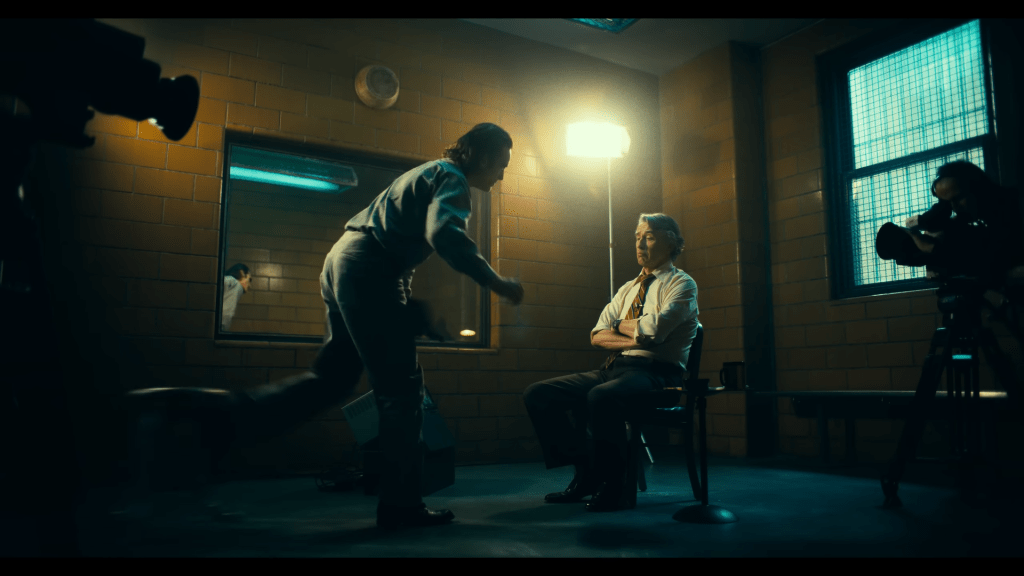
Psychotic person resort to a habit which helps them to relieve the suppressed emotions or identities. It could be any small habit and mostly would seem harmless. In this case it is smoking. In the first Joker movie smoking is just a way to release the tension in his mind but as the Joker’s personality gets the hold of his ‘body’ the smoking intensifies. In the interview with Dr. Beatty when she asks Arthur if she can talk to the Joker inside him, the gaze that Arthur throws at the recording camera is more than enough to let us know that the smoking personality was the Joker himself. (Joaquin Pheonix is just perfect here!)
There is also a moment in Arkham Asylum when Arthur is watching Harvey Dent’s statement implying that only a fool would consider Arthur a martyr, this further reinforces Joker to consider himself more powerful and influential. He is smoking there too.
Before going live in interview with Paddy, Arthur’s attorney Maryanne tells him to stop smoking in front of the camera during the interview because it makes him look like a ‘cavalier’ – reckless. This is exactly where we should get a clear idea. The Joker is reckless, carefree – ‘cavalier’. Smoking becomes an extension of this very idea of recklessness that Joker has in his personality.
But for the good of Arthur, he controls Joker inside during interview. The moment he realizes that it’s just to create sensation, the Joker takes control and again smoking starts.
When Arthur’s private diary is being read out loud in court and when Ms. Dumond is testifying, saying that Arthur’s whole identity that his mother created was fake; you will see that Joker is just there absorbing everything because all these things are very uncomfortable for Arthur to handle. Arthur cannot handle such public humiliation and identity crisis. Joker is truly his coping mechanism.
There is also a scene where the Joker breathes out the smoke into the Harley ‘Lee’. It is very dramatic and feels like they are exchanging their very souls, their identities. Now they are inseparable.

(Todd Philips deserves appreciation for creating such characteristic moments throughout the movie. There is one moment in the start of movie where Arthur gets a lip cut during shaving and the blood drop flows down his chin creating a sad face. It is impressively symbolic of the state of the mind Arthur is in. Applauds to Todd again!)
The ‘Kick’ Dance
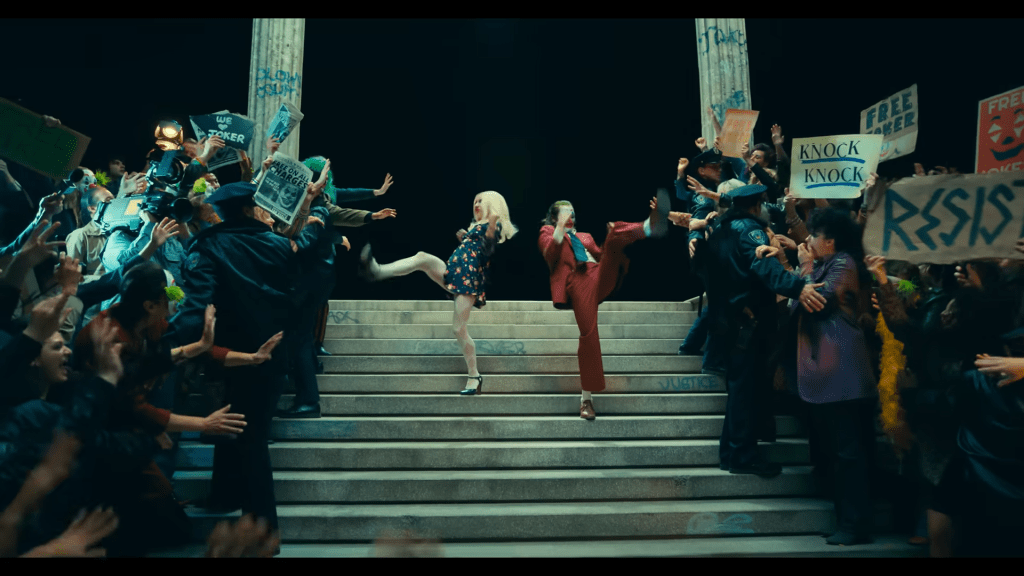
The most characteristic attribute of Joker being present and active in Arthur is his dance. The specific step of kicking fiercely in the air is very poetic. This kick shows how reckless Joker is. The Joker is literally kicking the society which led to the downfall of an innocent person like Arthur, the society which created Joker himself. It is a tight slap to the degraded social system which led to the formation of such psychotic character.
Very subtle but the ‘kick dance’ has its purpose in the whole narrative and character of the Joker. Later ‘Lee’ mirrors the same dance showing that Joker and Lee are now in sync.
The Musical
I have never ever seen the medium of musical to demonstrate the state of the mind of the character especially a completely negative character. (I am not a big musical fan) Whenever I have tried to appreciate the musical it feels to break the continuity of the realism of the narrative and dreaminess of the character or given scene. Although there are many good examples where musical just fits in perfectly.
But, this musical in completely negative and dark setup is very impactful. I know most of the moviegoers absolutely thrashed the musical approach and underwhelming utilization of Lady Gaga but trust me it was all intentional. It was supposed to make you uncomfortable.
The unsettling musical is actually a peek into the psyche of Joker and how uncomfortable his character is. It’s a warning to those who glorify Joker as villain or consider him an anti-hero.
Every musical had clear purpose and it also landed perfectly. You have to be slightly ‘mad’ and must fool yourself for the given moment to appreciate importance of musical in the whole narrative of the Joker. I will reiterate that people not appreciating the Joker musical is a subtle proof that the real society we are living in is still in a healthy mental condition in overall. If you didn’t like the musical, it is totally fine, and that was the intent of the creators.
Joker strongly associates himself with music, that is the pivot of his identity. Music allowed him to express freely and also supported his recklessness. The moment he discovered ‘Lee’ in music session that bond with music got further reinforced. That is exactly why his delusions, their delusions are fully filled with music.
Now, it’s lyrics appreciation time:
The opening cartoon song
Everyone needs love
There are already enough mountains
What Arthur helplessly wanted was appreciation and love from his people around. “Mountains” used here and used extensively in further narrative of the movie indicate the hardships, difficulties in everyone’s life. Even after these difficulties, if you are loved you can come over these mountains. Sadly, exactly opposite happens with Arthur.
In later parts of the movie, where Lee says that we will build a mountain from hill. She is actually saying that we will raise chaos everywhere and make other people’s lives difficult because they deserve it.
The Arkham Asylum musical

For once in my life, I have someone who needs me
For once in my life
I won’t let sorrow hurt me
Not like it has hurt me before
For once I have someone
I know won’t desert me
And I am not alone anymore
For once I can say this is mine and you can’t take it
This is Joker singing in Arkham realizing that people may consider him a martyr and he has also got the company of ‘Lee’. The sense of belonging to something for a person like Arthur through accepting the identity of Joker made him feel invincible. This is exactly what is sung in this asylum scene. Arthur wanted somewhere to belong and someone to care for him in the end.
The ‘B-Ward’ movie scene –
When the patients are watching the movie where Arthur and Lee are sitting together there is musical which goes like this:
We are all entertainers
Everything that happens in life
Can happen in a show
You can make’em laugh
You can make’em cry
Anything can go
Anything
We must understand that there are lots of creative choices while making a sincere film. Even though it feels useless, this movie musical scene has a purpose. It is exact reflection of how Joker thinks. For him it is all a performance, it makes him free, same goes for Lee. But sadly, society questions Arthur if he is doing a performance and not Joker. The very lyrics here show why Joker is reckless. This delusion of performance enables him to remain carefree, reckless in the ‘real’ reality.
The Hotel Arkham Dance –
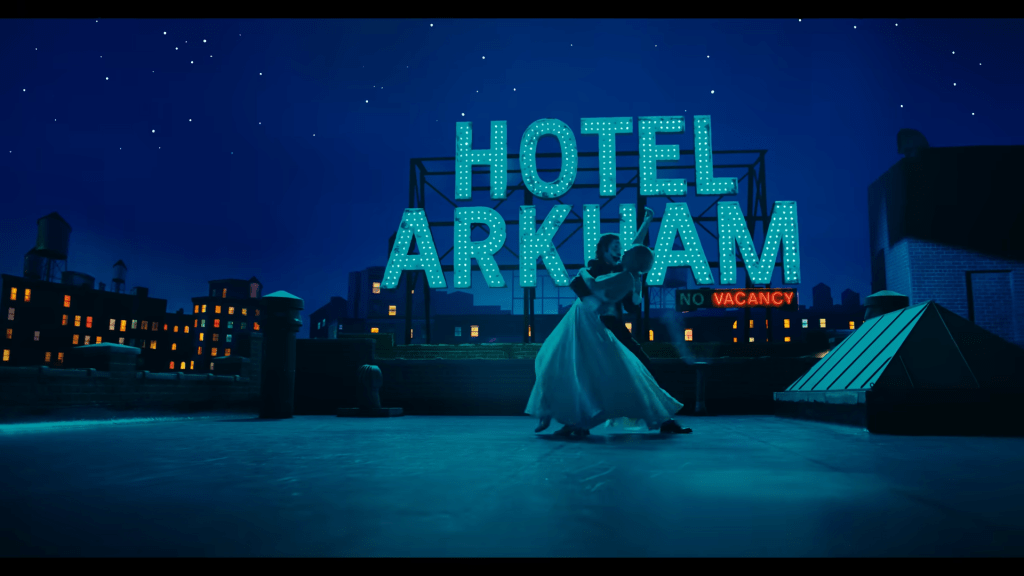
In our minds, we’d be just fine
If it were only us two
They might say that we’re crazy
But I’m just in love with you
This shows how pivotal ‘Lee’ is for Joker. She fuels him. As Arthur is meek, loveless and innocent nobody appreciates him, loves him or cares for him. Being bold, carefree, dashing through Joker, at least he gets ‘Lee’ to love him, appreciate him. The identity of Arthur needs something to lean on, to fulfill his humanly needs – mental and physical. These needs would only get fulfilled if Joker comes out as dominant one. If not Arthur then at least Joker would make this personality free. This song is just about that. Even though delusional but Joker gets all the mental support to justify his personality in reality through ‘Lee’.
The interview with Patty
Before this interview Arthur has full control over the Joker, he has suppressed him to demonstrate his innocence. But the moment Arthur realizes that this interview is just happening for the sensational content, he loses it all and allows Joker to take control. (while starting to smoke characteristically in front of the camera!)
I’m wild again
Beguiled again
A simpering whimpering child again
Bewitched
Bothered and bewildered
Am I
Lost my heart but what of it
She can laugh and I can love it
Although the laugh’s on me
I’ll sing to her
Bring spring to her
And long for the day
When I cling to her
Bewitched
Bothered and bewildered
Am I
Here, Joker is making statement that he is the in-charge of Arthur’s body thereby his complete identity. When he realizes that Arthur will not get any help and it is just a sensationalism in the society, Joker shows the society that he is not alone anymore for the society to take care of him, He has someone who care for him now. This is his way of telling the society that it can go ‘freak’ itself now. The society pretending to help him to create one more drama is a conniving move for Joker. So this song is the final warning to the society that he doesn’t need this pity help from the people. He has his ‘Lee’ to love and appreciate him.
Lee’s makeup song
Most of the scenes when Joker and Lee are sharing the screen while singing are the delusions running in the mind of Arthur. In the third act of the movie when Lee is singing alone while applying all make-up, she is alone. This is where the reality of what Lee is becomes clear.
What a world, what a life
I’m in love
I’ve got a song that I sing
I can make the rain go
Anytime I move my finger
Lucky me can’t you see, I’m in love
Life is a beautiful thing
As long as I hold that string
I’d be silly so and so
If I should ever let it go
This clarifies that Lee is manipulating Arthur to reinforce the Joker in him and using him to justify her own delusions. She knows she has all the strings in her hands to create the delusions she wants with Joker.
The Guard’s humming in Arkham asylum in the last part of the movie
When Arthur truly accepts the reality and rejects the persona of Joker he is actually on the path to new and healthy life.
When Arthur is sitting in front of the TV in asylum after this event, the asylum guard Sullivan sings this near him and another guard asks him not to sing this again.
We are not crowd
My echo, my shadow and me
The guard is hinting Arthur that reality is the only thing where we truly exist. Whatever Arthur thought of himself having a different personality to take charge of his body while committing a crime is just a lie. It’s Sulivan’s way to mock Arthur to show that he will get the punishment in the end by court.
Another guard fears that this might trigger Joker to defend the joke on Arthur that is exactly why he tells Sullivan not to sing it in front of Arthur again. This also shows that Arthur is really trying to bring himself back to reality as this doesn’t trigger him. There was some hope for his recovery.
The Cognitive Dissonance – inner conflict for real identity

During the proceedings of the court when the events of Arthur’s childhood are brought in light again to prove that the Joker is a defensive identity that Arthur has created to cope with the trauma and adversities in his life, you will understand that what Arthur lacked was clear identity.
The identity crisis actually led to the creation of intense defense mechanism through the creation of his shadow as Joker. There are specific reasons behind this:
- Arthur learns that what his mother told him about his parenthood was a lie
- He learns that even though his mother told him that his purpose was to make people happy, she was not a big fan of his jokes. Ms. Dumond in her testimony clarifies this, which shakes Arthur to core
- Arthur had created his whole personality around making people happy. The career choice to become a standup comedian was all driven by this sole thing. This is what defined his life
But the moment when Arthur realized that all the truths on which he created his life and his character were lie, he undergoes cognitive dissonance. Cognitive dissonance is a state when a person enters in paradox about the truths that made him who he is today.
Same cognitive dissonance happened for Batman when he learnt that his parents also took help of the very criminals he is fighting against today to hide their family’s dark truths in the past.
My point here is that both Batman and Joker underwent the state of the cognitive dissonance, the identity crisis, what they stand for. How they came out of this cognitive dissonance made them hero and the villain.
Batman chose to move away from the only motto of vengeance quoting that ‘Vengeance cannot change the past’. Batman then decided to stand as a symbol of hope for the degrading society.
Arthur – Joker in this case blamed society for the very state of mind he is in now. And there is nothing wrong in it. The very situations, events, people that Arthur got exposed to, made him chose that side. If he would have got proper support from the society and people, there really was a hope for him.
That is exactly why you must appreciate the act of Arthur to not become Joker in the end of this movie. Although the guards of Arkham had beat him to show that he is really weak in reality and Joke is not the reality. Arthur arguably had less privilege than Bruce Wayne to chose the right side and even after these hardships Arthur in this movie choosing reality of Arthur instead of delusion of Joker is a bold move. This makes Arthur’s character transformation far bigger, better and glorious than the transformation of Batman. (I am not saying that Joker is superior than Batman morally. I am saying the mental efforts that Arthur took to reject his Joker personality are way bigger, humongous than the mental efforts that Batman took to redefine his identity.)
There is very symbolic moment of Arthur running away from the Joker persona in the end of the movie to show how badly he wanted to escape that delusion.

You know what? This is exactly where the city of Gotham went wrong. People wanted an agent of chaos. Not the guardian of hope. Chaos is more sensational and attractive.
The Society and The Sensationalism
You should closely observe how Arthur behaves in the interview with Patty. He has dialed down Joker perfectly. But the moment Arthur understands that these people are not here to help him or work with him, they just want something sensational to show to the people watching TV, he loses the hope for the society. This is where Joker truly gets reinforced.
The way in which the character of Arthur Fleck is designed by the writers, it is a result of the overall failure of the social systems. The rising unrest in common people led to the reinforcement of Joker in Arthur Fleck even though he knew that he committed crimes.
Common people of Gotham somehow, anyhow wanted the rich and powerful people to be held accountable for the problems they were going through. Even though it was a group motive it was a very selfish motive. Joker doing certain murders was just a sensational direction people wanted so that they would get this feeling of redemption against the corrupt system.

Arthur was just a person in need of fame and appreciation for who he was. Only sad thing was that people only loved his Joker persona. That is exactly why Arthur chose the delusion of Joker to satisfy the delusion of redemption from riches for the society.
The real Folie à deux is not just about the shared delusion between Joker and Lee. It is between Joker and the society. It is between Todd Phillips’s Joker and the fandom. Deep down we too wanted this Joker to do some scandalous acts, exceptional crimes, and sensational interviews. We paid for the movie tickets to see the chaos that Joker creates in society thereby glorifying him as one of the best villains.
But, in reality we cannot handle such sensationalism. On surface it feels great while reading some spicy news, conflicts in our day to day lives but the moment they start affecting our very lives we know how horrible these things can turn out.
This movie actually made an effort to show how twisted a psychotic criminal is inside even though his life may seem sensational and happening outside.

The Loneliness and Kindness
There are many moments where Arthur clearly says that all he wanted was someone to understand him and love him for who he is. The only reason Arthur submits to Joker’s persona was the fact that this is what the surrounding around him wanted from him. The DA wants him to be the Joker so that they can punish him. This would also make him a martyr among the common people of Gotham. People of Gotham wanted him to be the Joker because it was their way to vent out their anger for the riches and powerful of the city. Harley wanted him to be the Joker because he symbiotically supported her delusions, he was ready to do whatever she wanted.
You will realize that there were also some moments where this was possible, it was possible to tell Arthur that he is not alone. Some events actually do happen but not everyone is thinking the same about him. That is what creates conflict in Arthur’s mind. There is a scene where Arthur is singing a book with good intent but the moment the guard mocks him, Joker takes over and signs maliciously.
You see this is intense when the person is challenged mentally, such people are ready to resort to any part of their persona provided that they get what they long for. That is successfully depicted in the psyche of Arthur Fleck.
Conclusion
A society on moral, social, political decline – a degenerate society – a society on the brink of collapse – will always reject Arthur and welcome Joker.
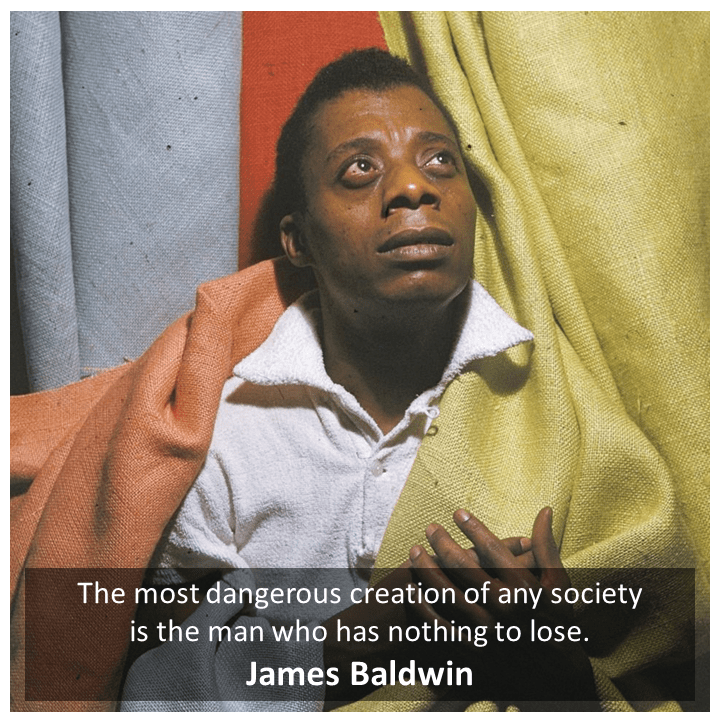
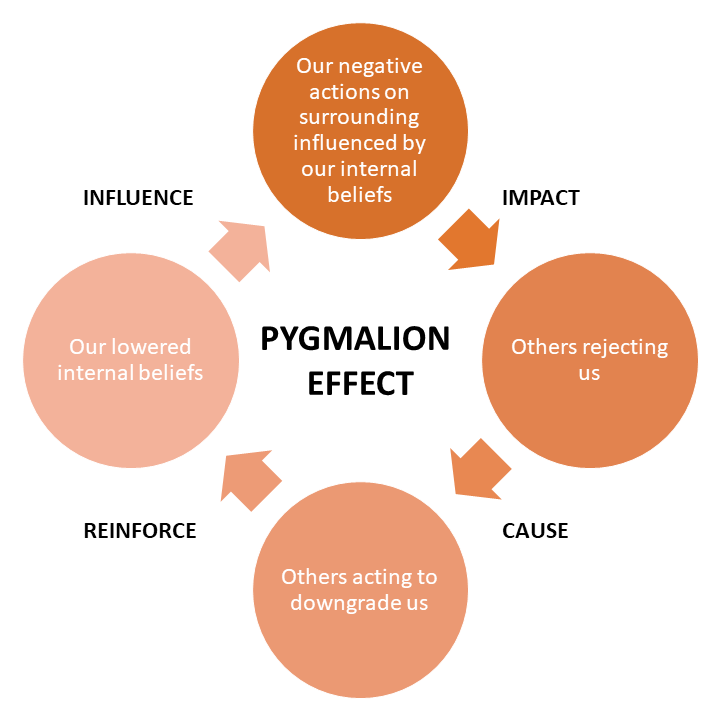
It is very evident from this duo-logy that the surroundings, society plays a crucial role in the character development of every person. We chose certain attributes of who we are based on what we actually want. This is decided by how society responds to our actions. Based on the such selected attributes, then our behavior, action on such attributes and the reaction from society on such action mold our personality. This is roughly how our personality, our identity is created. If we are fully dependent of society to define who we are, then our personality would exactly reflect what the society. That is what happened with Joker. Arthur was completely empty inside. You will see this when he accepts all his crimes honestly while ending with a Joke.
- Knock, Knock
- Who’s there?
- Arthur Fleck
- Arthur Fleck who?
It shows that Arthur accepted that he was nobody. Society just poured inside his empty jar of personality, made him the agent of chaos.
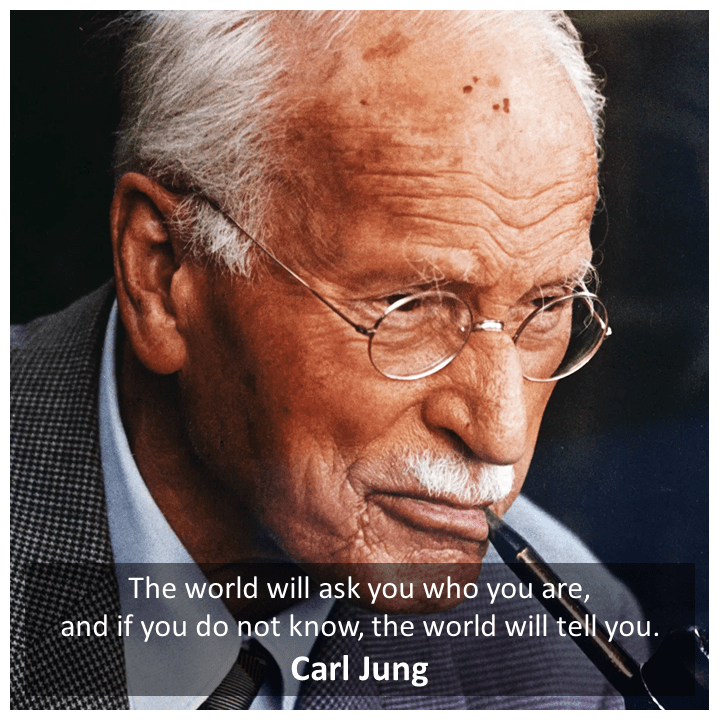
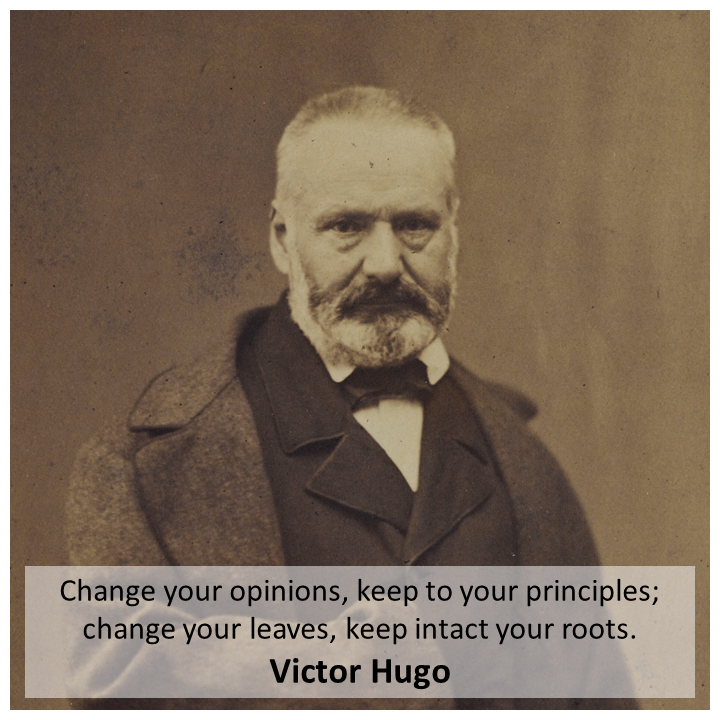
That is why having an inner compass is very important in personal development. Our internal beliefs may sometimes get challenged and it is completely fine to change them, upgrade them. But the moment one starts to pivot his/her identity purely on outside factors it may create internal conflicts, mental conflicts. That is where Arthur lost his battle for personal identity. Even though the ideas are fictional they prepare us for the adversities occurring in reality, that is for me is the real power of storytelling. May everyone in reality find their true identity in a healthy and sustainable way.
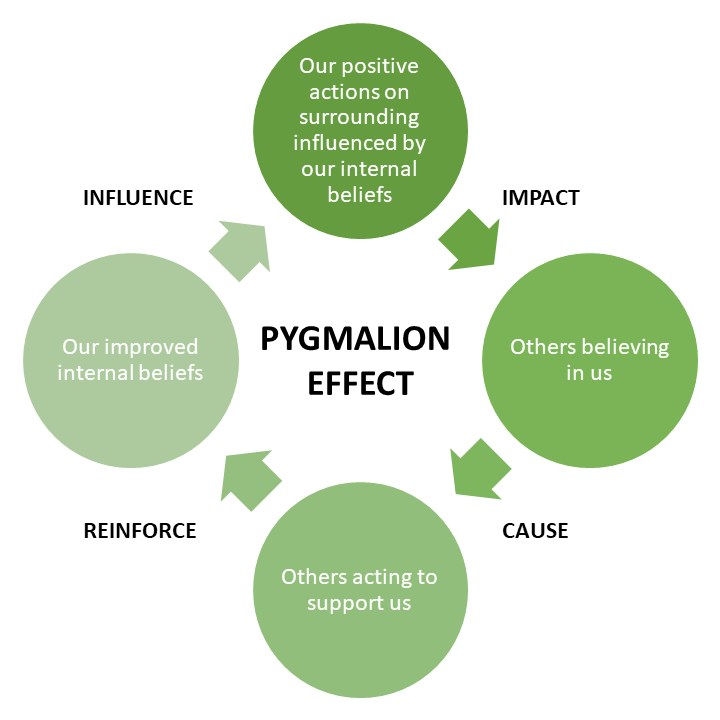
We are full of biases and we are always in search for the things which reinforce our internal belief system. It is a normal human tendency to justify one’s identity. Those who are ready to change and modify their understandings about the surrounding are closer to the reality and those who are stubborn to change their belief system will get hit by the reality until they have learnt their lesson.
This Joker movie indirectly keeps on highlighting how difficult it is to gauge what goes in the mind of a mentally challenged person. Most of the time our instincts repel us from such people but what such people need is a sense of being loved and sense of belonging. If they are felt loved in reality, maybe there is some hope that they will let go of their delusions. Being kind is the only way.
For me the movie actually presents a choice in front of the audience for the fate of the Joker. As a human being Arthur coming out of his Joker persona was a very healthy and hopeful character development. But that is not what we wanted from him. We, just like the people of Gotham city wanted him to create chaos. This movie shows that hidden dark part in our minds. I am not saying that all of us are sadistic. I am saying we all have a dark part in our psyche and its normal. Everyone should be aware of their own darkness to remain mentally healthy. It improves decision making.

Further reading:




 Parts Per Billion