Men And Their Fathers

Most of the men are poor in openly expressing their emotions, love for the men they love. Fathers are an important entity in this group.
In the vast ocean of unexpressed masculine love and the unexpressed emotions between father and son, James Blunt’s “Monsters” stands like a lighthouse. “Monsters” is not just about acceptance of father by his son or a love letter of a son to his beloved father; it is more than that. It shows how a good upbringing can create better sons for tomorrow. No doubt mothers are more than enough to create better children and better people for tomorrow but we need good fathers – sensitive fathers to create better sons for today and better fathers for tomorrow. Responsibility thus lies at the core of manliness which gets glorified through this fatherhood. It also shows the sensitive side of masculinity. This song is all about that.

On the song called “Monsters” by James Blunt

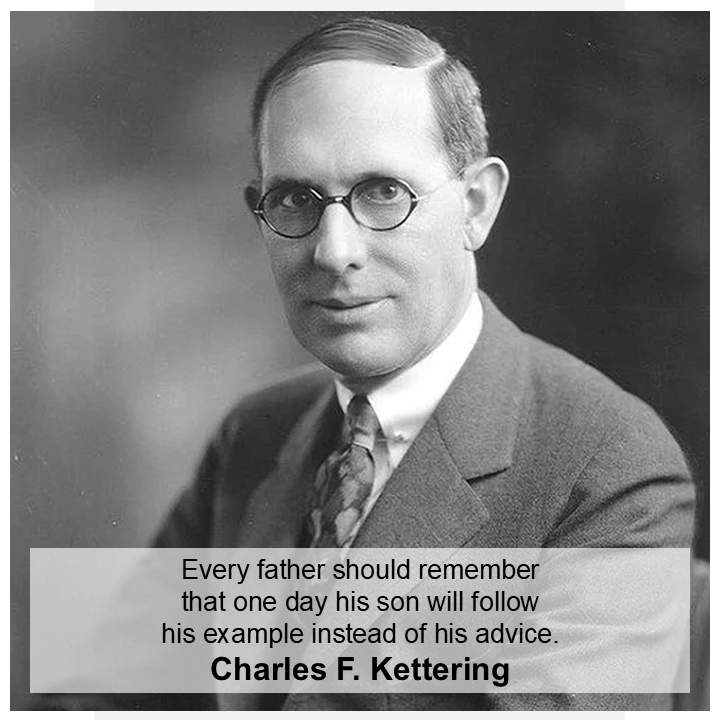
By the time a man realizes that maybe his father was right, he usually has a son who thinks he is wrong

– Charles Wadsworth

They say when you can’t tell someone what you are feeling or when words are falling short to express those unsaid emotions music is the best medium. Everyone of us has this group of songs which snugly fits with certain emotions we hold inside especially the emotions which we hesitate to express openly. Believe me that these songs are not just love songs or romantic songs, if you ask people when they are comfortable around you, you will realize that there exists a wide spectrum of emotions people never expressed or couldn’t express just because they couldn’t find proper words.

Talking about emotional people and the hesitation to express them openly, there exists a group of relationships where people rarely express their emotions even though their counterparts know that what those feelings are.

I am talking about boy-boy relation, man-man relationship, boy-man relationship – please note that its not just about romantic relationship in men. It is beyond that, and given that men hesitate to express those many times, I too am finding it difficult to write this down in a convincing way – about how men feel for other men.

In this ongoing but intentionally ignored realization, I came across a song which helped me to express the feeling that I had but never was able to connect to the reality of words. Boys, men rarely do that. That is exactly why music is so powerful, it is an enabler for those who are failing, hesitating to express what they are feeling.

I came across a song called Monsters by James Blunt where the son expresses how strongly he appreciates what his father did for him and also guarantees that his father’s legacy will live through his son by being the next responsible father figure for the family.

The lyrics is credited to Jimmy Hogarth, James Blunt, Amy Victoria Wadge.

This is about that song. You will find many references/ interviews on internet to explain why James made this song.

This is about what I saw through this song.

Oh, before they turn off all the lights
I won't read you your wrongs or your rights
The time has gone
I'll tell you goodnight, close the door
Tell you I love you once more
The time has gone
So here it is

As far as the song goes it is about a boy telling his father how he is opening his heart out in front of him. The metaphor of turning off the lights and saying good night shows that it’s the father who is going to sleep and the son is turning off the lights for him, closing the door for him and saying good night.

The use of the metaphor of the night time routine between parents (especially father in this case) and the children (the son in this case) is really beautiful here. The son turning off the lights and saying good night to his father shows how the roles have switched. It shows how the son has accepted the responsibility of fatherhood. It’s not just a normal night for his father it’s the long night and final slumber for his father. The son is very well aware of this and thus considers it as the responsibility to respect what his father trained and nurtured him for.

The realization of final moments of his father made the son express his feelings for him. The feelings which were never expressed openly before. Knowing that there is very short time left for father, the son wants to share the emotion that he really loves his father.

One important thing which is woven in the flow of emotions by the songwriters that I liked very much is the idea of completely rejecting the notion of rights and wrongs done by father (as much as the son thinks) throughout his life.    

This notion of person not being right or wrong but just a human being gets expanded more in the next verse.

I'm not your son, you're not my father
We're just two grown men saying goodbye
No need to forgive, no need to forget
I know your mistakes and you know mine
And while you're sleeping, I'll try to make you proud
So, daddy, won't you just close your eyes?
Don't be afraid, it's my turn
To chase the monsters away

It is only when the son accepts fatherhood, becomes father or at least assumes the role of father figure then he realizes that his father was just a human being who did everything that was possible in his capacity.

This is very important aspect of a son becoming father. As long as father was there especially when the son is a young adult, father was just a person who was a lost cause. This is one of the most common behaviors among young boys. Everything their father did feels wrong in this way or the other way for boys.

But it is only when the boys themselves become men (literally and/or figuratively) they understand and appreciate how their fathers raised them. This is exactly why when the son is telling his father that ‘he won’t mention rights and wrongs that his father did’ – he is actually respecting the efforts of his father – the lengths to which his father went to ensure better life for his son. He has understood that in the end we are all human beings – we are not perfect – neither right nor wrong.
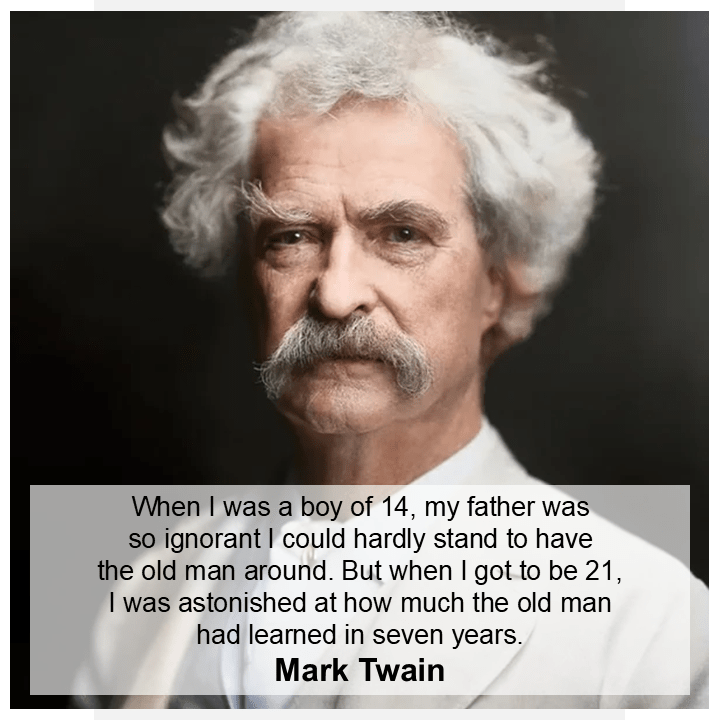
When the son is telling his father to not judge each other, it is him accepting his father as a human being. It’s the evolution of that teenage boy’s mentality into a man – the father figure. The songwriters have beautifully captured this change from boy to man. A boy always sees his father’s actions decisions as foolish, unreliable and wrong but the moment he puts his feet in the shoes that his father wore he realizes that all his father did was to give the best to his son, to his family. He also realizes how wrong he was when he was judging his father from a single point of view. That is exactly why the boy is telling his father that we both know how flawed we are – how flawed we humans are but in spite of that we are living together, we are accepting each other. This is the spirit of humanity shown through the mature relationship of the son and his father. I loved how songwriters put the act of recognition of mistakes more important than the act of either forgiving them or forgetting them. It removes any type of attribution or the notion of right-ness and wrong-ness for any mistake. I feel that the moment someone starts noticing that there is always some aspect beyond right and wrong for everything is the moment when that person truly understands the reality – the nature of things, such person is able to see right through the things. Most often this is sign of maturity.

There is difference between growing old and getting matured. Songwriters have very well created that feeling here. Son even though being younger than his father has started appreciating what his father handled for him and the family. This is exactly where the song comes alive – especially lyrics for me. It truly catches the essence of fatherhood. The son tells father that now its his turn to chase the monsters away.

The monsters could be any adversity that the family would have been exposed to. For me the notion of “chasing the monsters away” is very powerful way to show essence of fatherhood and father’s love. It also shows how the nature of father’s love completely differs from mother’s love; this difference itself sometimes creates the sense of superiority of motherly love over fatherly love. No doubt mothers are supreme caregiver to their children but that also should not reduce what fathers do and feel for their children. Fathers are the doorkeepers for the adversities before they could harm their families and most of the time the family rarely notices what harm was prevented. I mean if they are not even noticing what harm could have done to them this means that the job of protection was performed in perfect manner. That is the actual job for a fatherly figure – to not even let anyone get uncomfortable because something bad will hit them.  

The son appreciates this and consoles his father that now he will take the tougher responsibilities which his father carried for the family, now he will become the man of the family and make him proud. One more beautiful thing happens here is the childhood callback between father and son. When the son is scared of the monsters under his bed and father telling him the story so that he could sleep well and telling him that he will chase those monsters away for him. Now that the son has grown up the attribution of monsters is changed, now these are the monsters that exist in the world in reality.

One beautiful thing to notice here is the moment when father confides his young son that he will chase away the monsters under his bed – he is completely aware that what real monsters he is chasing away for his son and the family. Only that the son’s young age would be scared and afraid to handle those real monsters father makes sure that he is protected from these adversities or at least the awareness of those adversities.

The bridge that the idea of “chasing away monsters” and the role reversal between son and his father shows what it means to be a man in this world.

Oh, well, I'll read a story to you
Only difference is this one is true
The time has gone
I folded your clothes on the chair
I hope you sleep well, don't be scared
The time has gone
So here it is
Sleep a lifetime
Yes, and breathe a last word
You can feel my hand on your own
I will be the last one
So I'll leave a light on
Let there be no darkness, in your heart

One important thing that men are taught right from their childhood is to become tough and strong. That tenderness, vulnerability and emotional inclination is a sign of weakness. Men have never followed this advice completely to their heart. They have just mastered the art of masking their tenderness – hiding it in a way to create an illusion of its nonexistence.

The way son is telling his father that he will read a story to him, fold his clothes shows that son’s masculinity holds that tenderness of love for his father – he has learnt that from his father.

One emotional part of this song for me is the next part. The part where the light and darkness are used as a bridge between the earlier fatherhood of the father and then the fatherhood of his son. It shows how a boy matures into father and thereby the real man. Light here signifies the hope for better times the son will keep on bringing when his father won’t be there. When the son asks father to have no darkness – it’s the darkness of the bitterness created over time between father and son due to some disagreements. It could be my overthinking playing here but the songwriters have also pointed out this common phenomenon between fathers and their sons. Right from the adolescence sons get many chances to notice and count the mistakes their father committed and consider them the most incapable, imperfect person in the world. It is only when the same sons take the responsibility of the fatherhood that they realize how hard it is and what actually their fathers sacrificed for them and the family. Men have this unrealized habit of not coming to terms with things with other men especially the men they love because of the unconscious habit of suppressing the emotions and vulnerability. Men rarely accept the mistake to other men – they will generally get along with the act of apologizing without it happening formally. The bitterness between the relationships is hidden in these deep cracks. So, when the son is telling his father to have no darkness in his heart n his last moments, he is actually apologizing to his father for always judging him for his flaws and imperfections. The father is feeling sad because he could not live up to the standards, expectations that his son had for him. This is some part of the said “darkness”. Son is finally telling his father that now that he has assumed the fatherhood, he appreciates all that his father did for the family and for him even though mistakes were made, bad decisions were taken and he couldn’t be “the perfect father” but in the end, we are all humans. The son is consoling his father that there is nothing to worry because he will be following his father’s legacy.             
But I'm not your son, you're not my father
We're just two grown men saying goodbye
No need to forgive, no need to forget
I know your mistakes and you know mine
And while you're sleeping, I'll try to make you proud
So, daddy, won't you just close your eyes?
Don't be afraid, it's my turn
To chase the monsters away

It’s the final goodbye of a son to his father when he is telling that he will try to be a better son by accepting the responsibility of fatherhood through the legacy his father gave him. His father will now through him.    

Men And Their Fathers

I have no opinion against the greatness of motherhood and the feminine capacity to express and demonstrate love for their children. What itches me is the ignorance towards the capacity of men to love their children as equal as the mothers. Maybe the reason lies in the incapability of men to actually and openly express love for their loved ones. It could have happened because men are trained to demonstrate masculinity through the attributes of strength and showing emotional neutrality. This has now been an unconscious habit among most of the men. A daughter with strong emotional sensitivity imparted due to her femininity can deeply understand what a fatherly love is but she can rarely understand and appreciate what the masculine side of that fatherly love is. A son very well knows what his father had in his mind all along this time the moment he assumes the fatherhood. It’s not necessary that the boy should bear a child or become father in reality. Mere acceptance of the responsibility triggers this mindset in boys. Most of the men are very poor in openly expressing the emotions, love for others especially other men they love. Fathers are the most difficult men in this group of loved ones (trust me on the basis of me being a man). Most often a boy could openly express his love for that girl in public in spite of being an introvert – he would cross that valley of insecurity for her. But same is not the case for men he loves – specifically a fatherly love. Boys show love for fatherly figures mostly through respect and assumption as the next responsible person in the line. “Monsters” by James Blunt is one such love letter from a son to his father. In the vast ocean of unexpressed masculine love and the unexpressed emotions between father and son, I think this song stands like a lighthouse. The most expected response for a man’s confession of love to other fatherly, manly figure (like a simple sentence “I love you father for all that you did for us, for me”) is a big laughter followed by comment similar to – “Are you OK?! What happened to you?” Men hesitate to accept the comment of being loved too. A father by default considers his execution of his responsibilities without the expectations of returned favor or appreciation or recognition. Men are rarely hardwired to accept recognition for being responsible and that is also may be why for some men in some cases it is easy to run away from the responsibilities. Fatherhood or feeling of fatherhood rarely allows that escape. It’s a commitment of a man to himself which makes him the real man.

The Monsters is not just about acceptance of father by his son or a love letter of a son to his beloved father. It is more than that. It shows how a good upbringing can create better sons for tomorrow. No doubt mothers are more than enough to create better children and better people for tomorrow but we need fathers – sensitive fathers to create better sons today and better fathers tomorrow. Responsibility thus lies at the core of manliness which gets glorified through this fatherhood. Assumption of fatherhood (sometimes physical and mental/ emotional fatherhood in each and every time) is the highest level any man can secure in this human world. So, Monsters is that handover of that legacy of true manliness from a father to his son. What could calm a father more than the awareness that his son has assumed the fatherhood, his son has grown up to be a real man! That his son has learnt to stand strong in adversities. That his son has become responsible. That his son has learnt to stand down against the short-term pleasures for the betterment of his family. That his son has mastered to chase away the monsters of his life. Fatherhood can give purpose to any directionless man. That is also why unstable society needs better fathers.
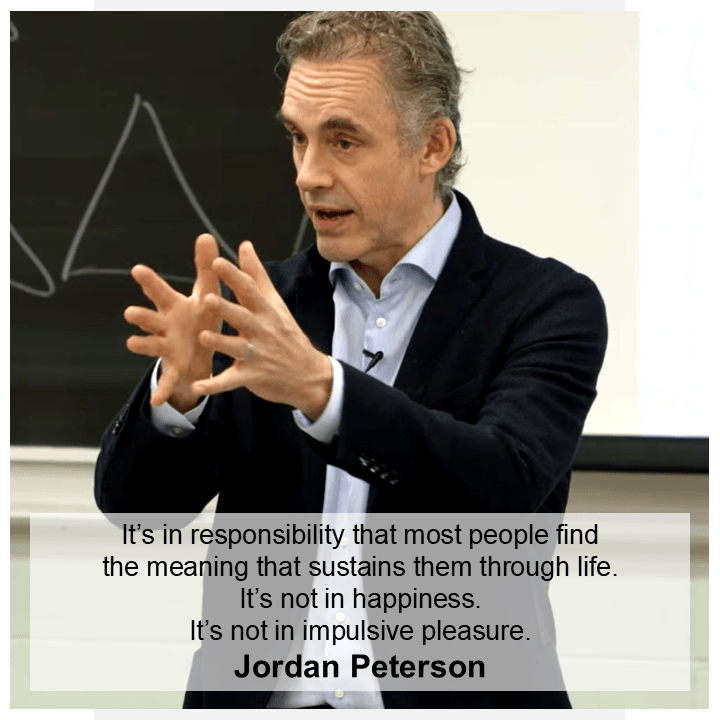
For me this is the song which answers the question – “Why the world needs good fathers along with good mothers?” It also shows why father’s role is also important in the upbringing of children especially boys.
One more thing – “I love you Pappa”
Alienation and Creativity

Creation for capitalism, consumerism and pleasure maligns its true purpose which actually is to create joy and a sense of belonging, comfort and safety. Alienation is the end effect of such capitalist processes where people have isolated their humans side for the rat races and FOMOs. Pure creativity, empathy, connect with nature and self can help use to preserve that human core and come out of the alienation.

How true forms of creativity can help us to reconnect with our human core

“On The Train Ride Home” by The Paper Kites

I long, as does every human being, to be at home wherever I found –

Maya Angelou

Humans – the creative animals

I think creativity is the most important quality granted to human beings. Nature in itself is the ultimate and the best creation which at the same time is also the creator of many things. Animals, non-human beings too have the gift of creativity to certain extent but human beings have outperformed in using this gift of creativity. We are always creating something, we have tools, we have automated processes to create anything we can understand. This creation of things has led us to becoming the most developed species on the planet. Creation can be in any sense – creation of music/ art/ cultures, families/ society, factories/ industries/ conglomerates, institutions/ organizations, cities/ metropolitan, governments, policies, supply chain, and what not! All these creations are intertwined to prove how advanced the human species is. You must also remember that once a process of creations starts generating fruitful outcomes it gets automated to optimize, to improve the efficiency. Most of the times we forget that some creative processes are not meant to be optimized because value of their outcomes is not materialistic. The concept of efficiency and/or optimization is purely materialistic concept. But as we are progressing ahead as the species, most of our creation processes are getting robotized, where materialistic outcomes are more important than the process of creation itself.  

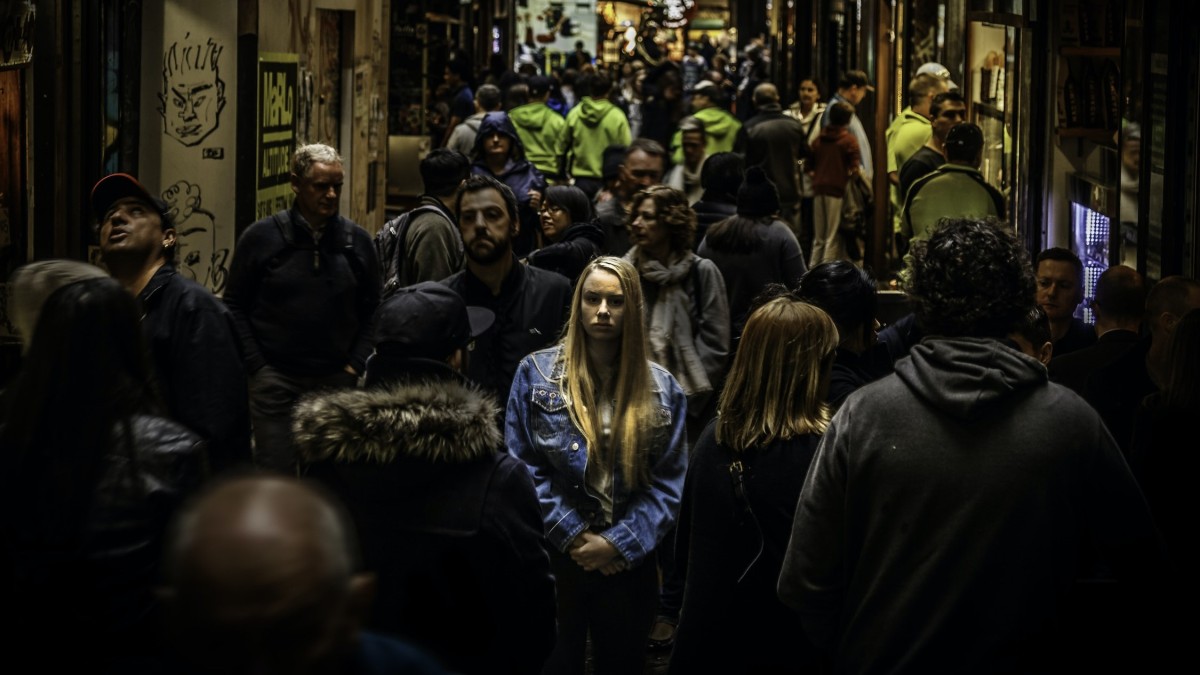
Young generation has crucial role in deciding the future course of our species, especially when we have this great tool of creation – our creativity itself. People of my generation (millennials and Gen-Z to some extent) are the key creators of this time who will decide where our future will lead us. This generation is completely busy in various ventures of creation to justify their own life. But, as I have mentioned before, our creation processes have become so mechanistic, so robotic to gain more, extract more materialistic outcomes that this young generation is getting more and more detached from the real purpose of creation in its true spirit. The consumerism and (crony) capitalism has thrown today’s youth into a forced state of alienation in spite of being living in crowd, densely populated resourceful, glamorous cities. We are lonely in spite of being surrounded by the crowd.

This loss of attachment from the spirit of creation has led to the alienation of the today’s young generation – who many times go through the feelings of isolation, meaninglessness, directionless, confusion – it’s not just a normal existential crisis through which every young generation of their times goes through rather it’s the blurring of the true spirit of living in today’s young generation. Please keep in mind that it is not mistake of this same young generation. The system, society, institutions have evolved in such way that the creative processes are getting designed more for materialistic optimization instead of getting created for the real upliftment of the human civilization. Feels like we are losing touch of the real purpose of our being.

An Australian indie rock band called The Paper Kites released a song called “On the Train Ride Home” which in my opinion tries to touch those feeling of “alienation” which our today’s young generation is going through. Deep down we all know what we really want, we know what our core is but the systems in which we are living today have made our lives more and more mechanical, even though we are in the process of creation that creation no more belongs to us, that detachment, that alienation, that freedom from the vicious capitalistic cycle is what we are yearning for in the end. This is what this song for me is.

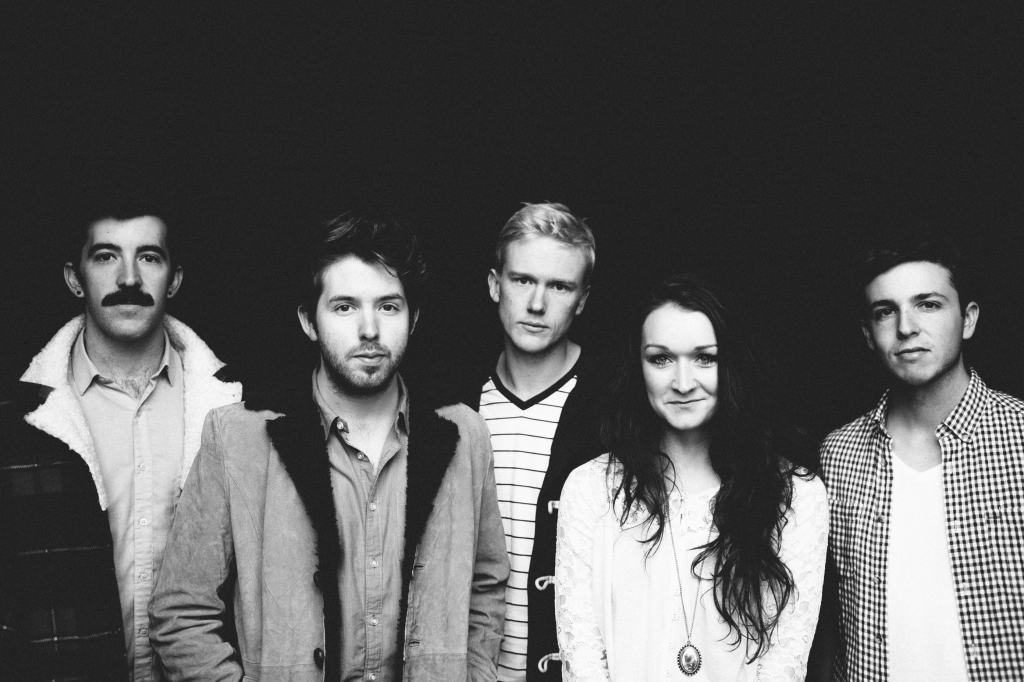
The Paper Kites
L–R: David Powys, Sam Bentley, Sam Rasmussen, Christina Lacy, Josh Bentley

I will dissect this song from the point of alienation; for me that is what it is all about.

The lyrics of the song is credited to Samuel Bentley, On the Train Ride Home lyrics copyright: Wonderlick Pty Limited

(It’s a song which needs to be treasured, hidden from others so that no one spoils it and I know I am committing a personal crime by exposing it. But such creations need more exposure and deserve proper appreciation too.)  

Waiting down at the station
I don't remember, think it was late then
Standing, always so quiet
We're like elevators filled up with strangers
No sound, no hallelujah's
Still I was praying on the train ride home

The starting of the lyrics creates an imagery of the person waiting for a train home. The complete separation from the surrounding has made this person to forget vivid details, it shows the mundane-ness, the separation from surrounding to just reach a safe, calming place which is home. The feeling of loneliness in spite of being in the crowd shows how there is no emotional connect between people. Elevator filled with strangers shows that people are closer and more connected, more accessible but they are not closer emotionally. This is exactly today’s situation, social networking and internet brought us so close that we can ‘poke’ our friend living in another hemisphere within few seconds and still we will see people craving for true connections more than ever. No hallelujah’s shows the loss of spirit, loss of soul in people who are part of this – physically close but emotionally isolated crowd.

If I can't get the things I want
Just give me what I need

Here, the person is aware of the difference between wants and needs which shows that his/ her separation from home to go to the crowded place to create a better resourceful life was not the ultimate goal. This is the only way through which this person can live a life. The system based on the cycles of consumption has narrowed down the meaning of living a life to mere survival. One can get as many things by obeying this cycle of consumption but it will not satisfy the hunger – the emotional hunger, that intimate craving of humanity. The distinction and use of wants and needs is a very smart way to show how the person is trapped in the system to survive but deep down they know what actually makes a fulfilled life. That is why person asks for basic fulfilment if not all what they desired.       

Our words fill up the pages
Fill up the days with psalms for the ages
Still those vows that we all speak
We break them like concrete
And just make our words cheap

This part of song shows how words have lost their worth. Words in the sense the sense of commitment, sense of loyalty to keep the promises. The piousness of the daily prayers, the vows are less cared for. This expression shows how insensitive we have become to just gain the materialistic means, to survive.

This is exactly where it struck me that this song is not just about average existential angst every young generation goes through; this song is more about the alienation of a person where system does not value real creativity – which gives our lives meaning. The system now has been maligned with the materialistic efficiency. Consumption has become more important than the end effect it creates. Mention of “wants” and “needs” thus highlight the culture of consumption here.    

I want someone to grow with
Songs I can sing to, and I family to cling to

The song tries to conclude with the ultimate pursuit for living a better life. Why are we all doing the things which we do? Why do we go on job? Why do we work all week, live paycheck to paycheck without any greater purpose – in spite of knowing that we hate this work at its core? Why knowingly, intentionally are we craving for more and more materialistic pleasures?

I think it is because of the recent vile cycle of consumption. I have a reason to justify this. Somewhere we know that the process of creation in which we are involved is not doing justice with our pure humanistic core.

As a human being all we crave for is the mutual growth, sense of fulfillment, love and intimacy for each other in this limited time on the earth. We know that ultimate goal of creation should be this humanistic goal, but the moment the creation loses this human touch we suffer from alienation, a sense of directionless, sense of being confused, a sense of trapped inside an infinite maze. This is the exact moment when the person craves for home, family and intimacy.

The train ride home is that craving for being the real human being who values emotions, commitment, love and happiness of the loved ones.

But If I can't get the things I want
If I can't get the things I want
Just give me what I need

The person understands that in this seemingly flashy, attractive, glamorous but mechanistic, mundane, lonely and unemotional life there is some hope that they at least will be able to preserve their human core. The request for the “need” over “wants” is the cry for that preservation of the human core.

Alienation

What urged me to completely (and maybe blindly) associate the lyrics of this song to alienation is how Socialism defines the concept of alienation. Karl Marx identified how a process of creation thereby value creation could isolate its creator from its creation. This isolation of creation and creator once intensified removes all the human, emotional attributes from the process of creation and here the brutal capitalism starts. The creation is now mere a mechanical, boring routine of materialistic revenue creation where humanity has no value.

Karl Marx on alienation

Karl Marx presented very beautifully the purpose of creation in human life. It is what separates human beings from other animals, non-humans. We are always involved in creative process which have a personal purpose, a meaning. That is why our creations and it’s end results are so intense and are way different than how other non-human creative processes. The moment such processes start demonstrating the separation of creator, the process of creation and the end-product of creation, capitalism/ consumerism start peeking their head out thereby slowly eliminating what made such things processes humanistic. This exactly is alienation, there is no sense of home, comfort or belonging.     

Marx defined four types of alienation in his discussions:

Alienation of an object –

A factory labor stitching the designer clothing does not bear the capacity to own it and enjoy it. Even though the labor holds the skill and knowledge to create that fancy clothing the system is rigged in such way that the emotional connect between creator and creation is lost forever.

Alienation of process –

The process of creation has become so mechanical, so repetitive to improve the efficiency and to increase the output that humans involved in them have also became mechanical, unemotional. Today’s young generation working in mundane jobs, the jobs they hate only for the paycheck and the job without any personal purpose is the example of that alienation. The separation of creator from objects makes the object accessible to anyone but this accessibility is not equally distributed because the input to output ratio is highly skewed. The value that is created in the creation of the object does not reward the creator in any good way thus creator – the labor remains poor. This also make the creator to lose the faith in the process thereby leading to the alienation of the process.

Alienation of species-being –  

The moment this mundane, highly optimized process does not bear any real humanistic purpose, the creator no longer follows the process to reach a better position in life spiritually, intellectually through the process of creation. It’s like the human creator has become a machine giving throughput. A sense of being a better species is lost forever – this is another form of alienation.

Alienation between humans –

Once the creator no longer has a direct connect to its creation, has no faith in the process for better pivot of meaning, has no sense of humanity, the value for another human life is lost. It is not because the creator or this person demeans or belittles others, it is because the creator himself/ herself does not consider their efforts their value of better worth, hence same treatment is given to people in their surroundings.

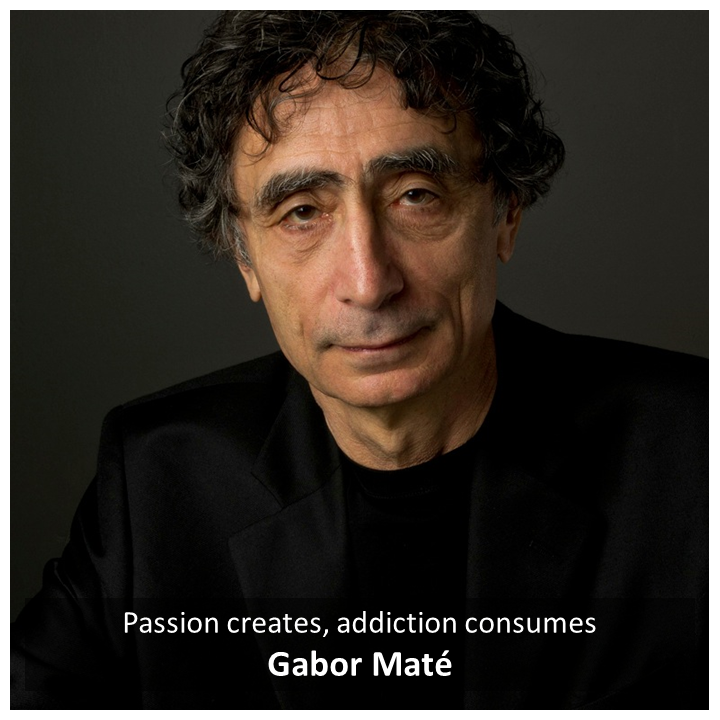
There is one famous snippet of a speech from Gabor Maté, a Canadian-Hungarian physician who has done work in ADHD, trauma, childhood development.

Gabor talks about broader scope of alienation which somewhat is based on the Marx’s idea of alienation.

Alienated from nature –

We as the human species no longer have that connect with nature which has resulted in its deterioration. You might have seen that there are still some tribes living in the remotest, inaccessible areas round the globe which are completely in tune with the nature and have preserved it. Today’s consumerism has detached our objects of consumption from their consequences on nature thereby destroying it.

We have to somehow re-establish that connect with nature otherwise nature has its way of adjusting things (we are seeing its effects all around the globe). And remember that this re-connection is also linked to we being the human beings. I mean, who doesn’t like lush greenery, pristine rivers and remarkable biodiversity!

One of the first condition of happiness is that the link between man and nature shall not be broken.

Leo Tolstoy
Alienated from work –

The works we are engaged in are rarely driven by a meaning or a higher purpose. Even if it has some meaning it is immediately inked to some materialistic thing, there is nothing wrong in it as far as survival is concerned but at least this awareness should push us to work for the things with higher humanistic, spiritual purpose, that is our real core as the creative beings. The alienation from work has led to depression, anxiety, emotionless feeling, numbness among every one of us. We are replacing this meaninglessness by other material means which involve how we look, what we possess. Such means of damage control are creating more damage to who we are and what we work for which defines us. You will see, the economy we live in highly focuses on associating meaningful experiences to materialistic products.

Alienated from other people –

The moment we lose the hope and connection between our surrounding we are losing some human part in ourselves which dims down our perception of humanity for others. We trust very few people or almost no one, the relationships rarely have that depth, that intimacy. Social structures based on the depth of relationship are dwindling. The mental illnesses are emerging due to the lack of social emotional support system, growing intolerance, apathy on global level are also effects of that.

The start of the song where it mentions people filled in the elevator, disinterested and having been lost their spirit is the same alienation.

We have to start forgiving people again, create safer environments where we can express ourselves without any prejudice. It is scientifically backed that putting trust in people and treating them with high worth makes them trustworthy and high performer (see Pygmalion effect) In the end, everyone of is craving for someone to rely on and also someone who will make our sacrifices worth of the hardships. Associating positivity of self-worth to being appreciated and being respected for who we are is hardwired in our human circuitry. Our existence gets redefined to higher standards the moment other people (even single person) recognize it. (History has examples where people did impossible for far lesser people who believed in them without expecting anything in return)  

The urge to cling to a family, sing a song to someone, grow with someone mentioned in the song is asking to escape from such form of alienation.

One of the oldest human needs is having someone to wonder where you are when you don’t come home at night

Margaret Mead
Alienated from ourselves-

We have lost the connect our inner self, our curiosities, our inner child in the pursuit of the consumerist ends. The disconnect with the surrounding and numbness to the processes in which we are involved is furthermore deteriorating our inner human core. We rarely listen to our gut feelings, instincts because presence of lots of data, information around us creates a false sense of understanding of the things around us. This is alienation from ourselves, we don’t even trust ourselves – a simple advertisement or targeted influence is enough to make us buy that next thing that we don’t even want.

The part in the song where it talks about making our words cheap is the alienation from self. There is no concept of morality and inner compass in such alienation.

We know deep down what exactly is happening with us and around us but the system rarely creates conditions to come out of that.

How to de-alienate?

The desire to know your soul will end all other desires

Rumi

The core reasons of alienation lie in the loss of empathy, loss of higher meaning/ purpose and loss of responsibility/ commitment (committing to something to change the course of life requires higher sense of responsibility). We are empaths by default as a human being, so it is imperative to preserve this attribute even if the surroundings force the opposite. I know this is difficult when we are responsible for multiple things and people, but you are also responsible for yourselves. It is worthless if you win, achieve something great while losing yourself in the end.

The creative processes whose outcomes are not attached to any material means are thus the purest paths to avoid such alienation in the times of high consumerism and negative effects of capitalism. High consumption is an addictive form of alienation which can be nullified by pure creation. Consumption will give pleasure but creation will give joy.

The prayer to ride home in the song is the hope that we will again meet ourselves in spite of such extreme disconnect. Pure creativity is the answer to such prayers as far as the process elimination of alienation from our life goes.

What separates human beings from rest of the animals is their creative ventures otherwise we are exactly like all other living things. We are the beings who engage in multiple activities of creation which are driven by conscious intent, a reason. This ability to create something has led us to become the technically advanced species on the planet. If we establish the connect with our inner core through meaningful creation, the victory over all forms of alienation is possible.

True creation is all about connecting to every possibility there is.

Such deep concept of alienation expressed in a wholesome and soulful song by The Paper Kites truly deserves more and more appreciation and recognition. Words failed me to express how it made me feel (that is exactly why I didn’t control my words count, where few verses of this song did the same job. No wonder poetry is highly potent than prose!)

The song-