“What will you do when you realize that you are going to die within few weeks, months?“
The question is really difficult to answer for everyone but the most basic answer would be to live the moments you have to the fullest. I have realized through the experiences and examples around me that the awareness, the realization of death itself is a new birth. One would be never the same as he/she were after having this realization.
The realization brings in two basic questions (actually there would be infinite number of questions in such scenario but they all boil down to a few):
One – What should I do with the time that I have? and Two – What would/could happen after the end of my existence?
In most of the cases, the first part consumes most of the remaining life one has- as it is the part where the person has most of the control and there is nothing wrong with that. But those who conquer the second question kind of win with the first part of the question and the game of life and death itself to some extent.
This reflects the most important part of us being the human species. We always want to cheat the death. We always want to make sure that we will remain around even when we are not physically there. We want people – especially our loved ones to remember us in their lifetimes.
It all boils down to your legacy.
The Last lecture by Randy Pausch – The lecture and the book
Randy Pausch
One smart person went through one such event which changed the way people around him and people who will be exposed to his legacy will remember him. Randy Pausch – a professor in Computer Science at Carnegie Mellon gave a lecture which is sufficient enough for every human to have a perspective towards life. The lecture soon turned into a book which has interesting ideas, events, thought processes from his life which show us why he thought so, what inspired him to say that exact line in his last lecture. It should be on every person’s read list, watch list.
Every simple thing becomes special when one becomes aware of its backstory, its origin. “The Last Lecture” by Randy was special not because it was his last one (supposedly), it was because of the ideas that inspired him to deliver that lecture. At the age of 45 in September 2006 Randy was diagnosed with pancreatic cancer and was told that he has time of only three to six months to live. Inspired by the ongoing lecture series in his university where he worked and being a teacher/lecturer to heart, he decided to deliver one such lecture that will help others to achieve their dreams. He named the lecture – “Achieving Your Childhood Dreams”. The lecture was Randy’s learnings and life experiences boiled down into some slides of a presentation.
The book called “The last Lecture” came after the lecture and became the bestseller. The lecture is a great phenomenon in itself but the book is more insightful and also dives deeper into Randy’s life events. The book has literally added more life to every word in Randy’s lecture. While reading the book you will understand the events and motivations held by Randy while he was delivering this last lecture.
The need for the lecture and the book
It became apparent that Randy has very less time left to spend with his family (his wife Jai and three children Dylan, Logan and Chloe). Randy realized that he won’t be there to experience the upcoming events with his children. That was one of the motivations to deliver this last lecture. This lecture is not just a one and half hour of knowledge or wisdom blurted out because he has very less time on earth. Randy could have done other valuable things than delivering the lecture but he didn’t. Actually, for Randy this was his masterpiece lecture and it truly is a masterpiece. This lecture by Randy Pausch is actually who we are as a true human being. We want to cheat death in some way. We want to create that legacy for the next generation, we want to fool the time and its flow.
The highlights of “The Last Lecture”
Every word in this book is a drop of the elixir of life. The lecture, the book, the very sentences are treasure chests of lifelong wisdom. There are many parts in this lecture which will make you reflect on your own motivations for life, dreams.
The brick walls
You will find all types of brick walls in Randy’s lectures. Randy makes a point clear that there always will be brick walls, hurdles in your life. How you strongly want something will either make you break the wall or leave it as it was.
“The brick walls are there for a reason. They’re not there to keep us out. The brick walls are there to give us a chance to show how badly we want something.”
Randy Pausch
Randy also points a beautiful idea about the brick walls which I loved a lot. Randy says that the brick walls are there to actually help you have the seriousness for your real desires and reduce the distractions.
“The brick walls are there to stop the people who don’t want it badly enough. They’re there to stop the other people.”
Randy Pausch
There is one “Romantic brick wall” Randy discusses, which should be left for personal experiences of readers and listeners (believe me it is worth reading and contemplating) It makes a good point on lifelong love and relationship we develop with our partner.
The concept of head fake
Randy gives one interesting trick for lifelong teaching and learning. What is a gift of the greatest teacher? It is the ability to create the interest of students into his topic and make them aware of the magic this knowledge can do. Randy establishes with many examples that you can teach anyone anything if you divert there focus from the target/destination to the actual process/journey. Randy calls this trick of diversion as a head-fake. The student won’t even realize what they will be approaching while learning but when reached to the target – when learnt something, they will truly appreciate the process and the teacher himself. It is more enjoyable in the book. Randy makes sure that this head-fake keeps bringing its head up throughout the lecture and the book.
Intellectual Humility
Even if you are right all the time that does not mean that everyone will accept you all the time. While being intelligent we humans are emotional creatures too. Most of the time the emotional part is heavier than the intellectual part. Randy tells a story of his “Dutch uncle” who subtly pointed his arrogant behavior with the people even when he was smarter than them.
Value of time
One of the most interesting things about the last lecture is that how Randy thinks about time management. The ideas conveyed through the lecture are unconventional- like these are some of the most practical advices on time management. Questioning the things on which you are spending time, having a to-do list (even if you might think of changing it later), discipline of handling random things to save the time lost in searching them at the last hour, delegating the tasks and trusting people with these tasks can free your hands, taking breaks are some of the most practical and doable things Randy suggests about time management.
Collaborate with different types of people
Not restricting yourselves to one stream, ideas, group of people can do a great value addition in your personality. Randy asks everyone to work in a team and not only in a team but in different types of teams, different types of people. In many parts of the book, you will realize how Randy’s teaching techniques always were connected to group learning and Randy gives some of the best examples on the success of this method. Working in teams and power of multidisciplinary learning is one key takeaway Randy provides.
Sustainable and long-term thinking
Randy has also highlighted the importance of long-term benefit over a short-term pleasure. He makes everyone aware of the value of being earnest person – a person with a core rather than being a hip who is just on surface trying to impress everyone.
Contingency plan – “All you have is what you bring with you”
Randy gives optimism a different dimension called practical optimism. Even though he knows that he has to enjoy every moment in his life, Randy does not run away from the reality of disease and the death closing in and he proves that with many examples from his life events. Practical optimism is thinking about the limitations of the situation and getting ready handle those worse conditions. Randy gives a quick disaster management lesson through one such part in his lecture.
Get a feedback loop; and listen to it.
One important part of intellectual humility is feedback and taking actions on this feedback. Valuing the feedback can create wonders in your personality and help you to connect with other on deeper levels
Create a legacy, Cheat death
Randy wants everyone to have a sense of giving back to the society. On a personal level it becomes, your duty to put your trust in someone to transfer your wisdom in the development of that person. That is how humanity has evolved and made breakthroughs. Randy tells about many of his students and colleagues to prove his point and his motivation behind it.
The lecture, the book is the legacy that Randy wants to give to the society.
At the end of the lecture, Randy has kept a surprise for every reader, listener which will again prove the point that he is one of the greatest persons, teacher, father humanity has ever seen.
You will also realize that every human life is so special in different aspects when you closely inspect the life events from Randy’s Last lecture. These are life events which are common to every human being in every way. I think Randy’s thoughts, life events actually celebrate the meaning of being a human being.
Legacy- The cycle breaker
We are constantly chasing something over our entire lifetime- money, fame, peace, satisfaction and what not. We always have some goals even though they are not called as “goals” but they are always there in the form of our desires, wishes, expectations.
Either you achieve them or you don’t. So, there are always two possible outcomes for every pursuit of desire- goal:
You did something today. Things turned out to be great – Congratulations! Now move ahead with greater task to benefit yourselves and others.
OR
You did something today. Things were not so good – Sorry for your loss (prepare for the punishment in worst case!) How will you work on things to cope with this and get out of it.
The thing which remains same in both cases is that you will show up on the next day. There is 100% chance that you will live tomorrow to celebrate/ build further or to work things out/solve the problem. The goals dictate this direction, the modus operandi for what should be done next, to achieve what you want. It tells you to have a vision, a future outlook.
But what happens when there is no future for you? Do your goals- short term, long term your true calling matter? What if someone tells you that you have only few days in your life. What will happen to your long term and short-term goals, your inner calling? For me dying in a blink of a moment would be far easier than going through such a dreadful time with the information that the death is waiting for you just in the next corner.
This becomes the moment when we realize the things which we were striving/ fighting for. We become aware of the worthlessness of the things thereby valuing the life experiences in a wider sense. And things that we were chasing become worthless in front of the life experiences we had Which actually inspires us to create an awareness, a sense of value in the eyes of people we love. That is when we become self-less and seek for a legacy. The purpose of legacy and even legacy itself can sometimes be selfish, but a true legacy is always self-less.
Even though Randy wanted to create this legacy for his children and he highlights same intentions through his last lecture, one should remember that the life events he shares in this last lecture actually show how self-lessness can impart greatness to a simple human being. Thus, even though Randy’s intentions were selfish, the legacy he created becomes the greatest legacy – the selfless legacy humanity can have forever.
The legacy is what makes others after our time to build upon something to advance further and which lives there even when you are not around. We humans have this gift of legacy which ultimately makes us aware about the worthlessness of the things in the cycle of life and death and actually helps us to value the experiences in our lives in a greater and deeper sense.
P.S. – One of the most important and experience shared by Randy that I loved was his quote in the early part as follows:
Every quote from hereon belong to The Last Lecture by Randy Pausch.
“If you dispense your own wisdom, others often dismiss it: if you offer wisdom from a third party, it seems less arrogant and more acceptable.”
Randy Pausch, The Last Lecture
This also reflects that even after being a great teacher/ educator, Randy practiced intellectual humility to the heart and he was really master of his art.
There are many great lines which deserve separate attention and they should inspire you to visit this lecture especially the book for once in your lifetime.
“Engineering isn’t about perfect solutions; it’s about doing the best you can with limited resources.”
Randy Pausch, The Last Lecture
“If you can dream it, you can do it.”
Randy Pausch, The Last Lecture
“We cannot change the cards we are dealt, just how we play the hand.”
Randy Pausch, The Last Lecture
“If you dispense your own wisdom, others often dismiss it; if you offer your wisdom from a third party, it seems less arrogant and more acceptable.”
Randy Pausch, The Last Lecture
“Never make a decision until you have to.”
Randy Pausch, The Last Lecture
“Have something to bring to the table, because that will make you more welcome.”
Randy Pausch, The Last Lecture
“If you can find an opening, you can probably find a way to float through it.”
Randy Pausch, The Last Lecture
“You’ve got to get the fundamentals down, because the fancy stuff is not going to work”
Randy Pausch, The Last Lecture
When you’re screwing up and nobody says anything to you anymore, that means they’ve given up on you.
Randy Pausch, The Last Lecture
Tenacity is a virtue, but it’s not always crucial for everyone ho hard you work at something.
Randy Pausch, The Last Lecture
People are more important than things.
Randy Pausch, The Last Lecture
If she doesn’t really love you, then it’s over. And if she does love you, then love will win out.
Randy Pausch, The Last Lecture
Not everything needs to be fixed.
Randy Pausch, The Last Lecture
Don’t complain, just work harder.
Randy Pausch, The Last Lecture
Never lose the child-like wonder
Randy Pausch, The Last Lecture
Start by sitting together
Randy Pausch, The Last Lecture
Go out and do for the others what somebody did for you.
Randy Pausch, The Last Lecture
A good apology is like an antibiotic; a bad apology is like rubbing salt in the wound.
Randy Pausch, The Last Lecture
There is more than one way to measure sure profits and losses. On every level, institutions can and should have a heart.
Randy Pausch, The Last Lecture
If you can find your footing between two cultures, sometimes you can have the best of the both worlds.
Randy Pausch, The Last Lecture
When we’re connected to others, we become better people.
Randy Pausch, The Last Lecture
All you have to do is ask.
Randy Pausch, The Last Lecture
Be good at something: it makes you valuable.
Randy Pausch, The Last Lecture
Find the best in everybody; no matter how you have to wait for them to show it.
Can we extend our experiences beyond the limitations of our senses?
A picture is worth thousand words, they say. You try to explain something to your friends and they get confused then you show them the photo/ video of the same thing and the need to explain things disappears. Visual media is literally ruling over all other types of media. This also highlights our dominant way of consuming information, any information. Hence, we can definitely say that vision is the most important of all the senses we use to interact with our surroundings. Important thing to understand is that we can perceive only certain range of light obviously known as the visible spectrum. What if we could extend this sense of vision?
Extending human vision
There are already good attempts for us to see in ultraviolet and infrared region which lie on the both sides of visible spectrum. Special optical filters and thermal sensors can create visuals in ultraviolet and infrared which normal human vision cannot see. In a way, we have achieved UV, IR vision which can increase our understanding about surrounding. This story goes good for people with normal vision. But how does a blind person can understand this highly visual world? Many of us would have experienced and will agree that the lack of a sense for a long time elevates the other senses in such differently-abled persons which helps them to perceive same object with different attributes of senses. We will see one such interesting story of a person who is not completely blind but the way in which he solved the problems in his vision have created a totally different understanding about our ideas on vision and our senses.
Neil Harbisson – the cyborg with antenna
Neil Harbisson has a condition called ‘Achromatopsia’ also known as ‘Total Color Blindness’ where he cannot perceive the color of objects. The whole world is like black and white television for him. There are some types of spectacles available in market for partially color-blind people which effectively help them to distinguish different colors but there is no such solution for people with total color blindness. Neil solved this problem in a different way.
Neil Harbisson World’s First Cyborg
The problem of perception of different colors of objects was solved by converting the light into the sound. This simply means that certain sound frequency is assigned to certain color. When a digital camera scans such color, it will create auditory feedback which can be heard by the ears of the person. Now it becomes a learning for the color-blind person to differentiate between different sounds to understand the respective color. With the help of Adam Montadon, a computer scientist, Neil developed an antenna which is physically connected to his head – the rear part of skull – occipital bone. This antenna was further upgraded by Peter Kese and Matias Lizana. The early model of this eyeborg developed for Neil was like a headset with camera and later on it evolved to an antenna, reduced computer weight to computer integrated to a chip. Now, Neil has one tentacle-like antenna over his head.
The “eyeborg” and its feedback
Not only the design and evolution of eyeborg is fascinating but the feedback it provides is very interesting. As we know already that the different frequencies of color are converted to different sound frequencies. Whenever the camera in the antenna is pointed to any object, it gives sound feedback to Neil which enables him to distinguish and experience the color in a different way.
In the early version of eyeborg the sound was fed to Neil through the headphones to his ears. This blocked the ambient sounds for Neil making him unaware of the surroundings. It was like he sacrificed the ambient sound to understand the colors of surrounding objects. The smart update Neil did was to integrate the auditory feedback of eyeborg directly through his skull bones. This eliminated the over the ear feedback of eyeborg thereby freeing his ears for ambient sound. Now Neil hears ambient sound through his ears and the sound for color feedback is heard through bone conduction! Everyone can understand the difference between bone conducted sound and the ambient sound actually. When you hear your voice through a recording you always hate it (maybe this doesn’t happen with good singers!) because it sounds so weird and creepy. This happens because you have always heard your voice through bone conduction and others hear your voice as an ambient sound.
This doesn’t stop here. Neil was unable to understand the saturation in the color in the early versions so he assigned loudness of the frequency to the saturation of the color. The antenna containing camera serves as a Bluetooth/ Internet connection so that he can receive and transfer data to other devices.
Hearing music from a painting
Neuroplasticity of our brain has allowed Neil to understand the world in a different manner. The sonochromatic scale developed to understand the colors through the sound has elevated Neil’s understanding about colors to next level. First obvious thing is that his brain perceives the surrounding colors in terms of different sounds; this allows his brain to associate certain sound to certain objects. For normal humans when we say bus, we generally picture a red bus, when one says an airplane, we generally picture a white airplane, when someone says an ocean, we generally picture a blue ocean. Interestingly, Neil’s brain has developed itself to associate the objects to certain sounds which creates different synaptic feedback in his mind. His perception for general objects is totally different than all the people who can experience color.
We should understand how deeply colors are rooted into our fundamental understanding of nature. And when this understanding is changed to feedback of different sense which is a sound in Neil’s case the experiences are totally different and otherworldly. Even his dreams are filled of sounds for different colors, this is how deeply the ‘hybrid sense’ has been developed in Neil.
NASA released some images from James Webb Space Telescope where they assigned certain sounds to certain colors and tones to stars in the image. When tracked in a pattern you can experience the image in terms of sound which is on crude way of understanding the image through sound (crude way as in it is nowhere closer to the actual sound of the location, it is just conversion of image data to sound date with one to one replacement)
Sound from an image Source:JWST, NASA
The colors from a song
Turns out, that the reverse of feedback from the eyeborg is equally interesting. The process of association of sound to a color has gifted Neil to understand the sounds in different way. Though the initial purpose was to comprehend the color through different sensorial feedback, it has given Neil a different type of intellect. Now, when he listens to a song, sound or music he can picture some series of colors. In simple words, he can create a visual and colorful output of an audio array. Though we visualize the sounds or music through complicated waveform, they were never associated to colors to the scale that Neil has experienced before. According to Neil’s experiences now he has a color scheme for certain music pieces, world famous speeches, musical symphonies.
Neil’s Eyeborg and Synesthesia
Actually, there is one human condition which is much closer to the experiences of Neil. There is one condition where a person associates the feedback of a sense to a totally different sensorial experience. The feedback from a sense stimulates some different type of experience. For example, for people with a synesthesia, they may associate certain color to certain number, some people associate the sound to certain color. This stimulation of totally different cognitive pathway by the experience of a cognitive pathway is called as synesthesia. Synesthesia is a natural and rare condition. Neil has artificially developed this condition in him to heighten his awareness of the colors. There are different types of synesthesia based on the association of cognitive stimuli.
In Grapheme–color synesthesia person associated a color for a letter as in A will stimulate the color red in his mind, in Spatial sequence synesthesia people associate events to certain stimuli so that they have exact memory of events as in with exact date and time, in Auditory–tactile synesthesia people experience touch or sensation in certain body parts when they hear certain sounds, in Ordinal linguistic personification synesthesia the person associates some objects, sequences like number sequences, calendar months to certain people or genders, in Misophonia synesthesia the person invokes certain emotions like anger, happiness, fear when certain sounds are heard, in Mirror-touch synesthesia the person are said to have heightened empathy so heightened that they experience the touches to the person in front of them as if someone has touched them actually, in Lexical–gustatory synesthesia the person experiences certain taste upon hearing certain words.
Chromesthesia is the synesthesia which deserves separate explanation for our discussion. In Chromesthesia, the person assigns a color to the sound they hear. Which exactly what is happening in the case of Neil but artificially. According to art historians the famous artist Vincent Van Gogh has Chromesthesia which made his paintings so vibrant. According to one such comment Vincent tried to learn Piano but left it midway because the notes of piano invoked different colors in his mind thereby overwhelming him.
Van Gogh’s The Starry Night
Jack Coulter – one of the artists of our generation has Chromesthesia. He is known for his abstract art pieces which reflect the way he interprets the sounds and music. In simple words, he paints the songs. Jack’s paintings of are such an experience. You can find his paintings on some famous songs on his official Instagram page which includes ‘Love of My Life’ by Harry Styles, ‘The Best Day’ by Taylor Swift, ‘Running Up That Hill’ by Kate Bush, ‘Don’t Tell Me’ by Avril Lavigne, ‘Take me Home Country Roads’ by John Denver, ‘As It Was’ by Harry Styles. He even has created an art piece for the world famous ‘Cornfield Chase’ soundtrack from Christopher Nolan’s Interstellar.
Jack Coulter’s ‘Mr. Bad Guy’ painting based on Freddie Mercury’s song of same name
A mix-tape of senses and the hidden reality – philosophical implications
This crisscross of our senses and the stimulus actually questions the nature of our reality. If we question the nature of evolution by question like why can only eyes see color and why can only ears hear the sound which are very fundamental philosophical questions (so fundamental that the person who poses them may be called a mental person), then we will understand that it is the nature of light to impart the color to the object, it is the nature of sound to impart the vibration of the object which developed such organs in a way.
But if we dig deeper and question the limitations of our perception of sound and light then we will realize that what we perceive or feel through our senses is just a sample or small piece of all the experiences presented by the reality. For simple example, though sound (mechanical) and light (electromagnetic) are all but vibrations, the extent of their experience or the ranges in which they exist or the things they are made up of cause them to collapse into two distinct sensorial experiences.
And when we are trying to resolve such questions about the senses, the conditions like Synesthesia or the cyborg movement created by people like Neil try to modify our understanding of the reality that we live in. If these people can interpret the colors into sounds and sounds into colors, are our senses limiting us from a different type of awareness? Are we missing some extra information from reality due the limitation of our senses? In simple words, even though there are many colors around us we cannot see in dark but most of the animals have awareness of infra-red spectrum or night vision which gives them extra information of the same surrounding where we all coexist. Bees, butterflies, insects can detect ultraviolet light to understand the pollen part of the flowers which we cannot see by or normal vision. This questions the reality and our experiences from it
For a no person with complete awareness of his/her senses, the cognitive stimulus and feedback is almost hardwired. This stimulus and feedback are what create reality for us. We cannot experience even a common thing without experiencing the interactions of our senses with the surrounding. And when we realize that there are other ways to experience the same reality by connecting it to totally different sense and stimulus, this opens a new chapter in our understanding of the nature. It’s like being aware of the ultrasonic sounds as same as owls experience it. This opens a totally different universe for all of us – the hidden one which was already there. Maybe this is the sixth sense many people talk about. Actually, our lives and the experiences that we have, are always being dictated by the five senses that we experience.
Bertrand Russel had made some attempts to crack such question in his world-famous book called ‘The Problems of Philosophy’. In the very first chapter called “Appearance and Reality” of this book Russel concludes that this can be a question which may remain unsolved forever. He uses a concept called ‘sense-data’ as in the information which we immediately know from our senses as in smell, color, sound. Russel clarifies based on a structured thought process that what we perceive as a reality is mere the what it appears to us based on the senses we experience (also known as sense-data). If our sense-data gets limited our understanding of reality will be limited. As the reality we experienced through our limited senses will be a reality for us, it will not be the complete reality as in “the reality” – “the ultimate/absolute reality”. (I know this gets confusing from hereon) And if the reality through our senses is not complete reality that how could we transcend to the realization of “the ultimate/absolute reality” by extending our senses? Or is it a completely different pathway? Russel leaves that idea to the power, need and importance of philosophy.
There is definitely much more information that we are missing only because of the limitation of our senses. So, the reality is not we experience through our senses only, it is more than that which maybe is impossible for us to grasp for now. Maybe in near or distant future we will be able to understand reality in different way like Neil, Jack and many people like them.
P.S. – Most of the artists have mastered this transcendence of senses in their own ways, which is what makes art so special for humanity. Maybe it is the only way we have right now to extend our senses.
References:
“A picture is worth a thousand words” – image by ElizabethHudy from flickr
Almost everyone is aware of the impact created by Rishabh Shetty’s blockbuster “Kantara”. The movie is an epitome of the huge power that cinema holds. Not only content/ story-line but the whole ensemble Kantara carries is a lifetime dream of every true movie maker. The movie stands out on cast, characters, cinematography, music, action, emotions, the balance between fact and fiction and what not. Not only as a great entertainer but also as a conveyor of the cultural heritage we Indians hold – Kantara shines out. The movie can truly become the flag bearer of both the Indian Movie Industry and the Indian heritage/ Indian culture. This will not be a movie review or the explanation of the story or the connections Kantara carries to the real life events or traditions. . We will try to find the hidden layer Kantara carries which is common in our very human nature.
The following content will be more relevant to those who have watched Kantara already and may be spoiling to those who haven’t.
Movie Poster of Rishab Shetty’s “Kantara” (2022)
Kantara- the mystical forest and the folklore
As the literal meaning goes, the story is created in the forest in order to carry the suspense and create a curiosity in the minds of the characters of the story and the audience. And this mystical nature of the forest is effectively used in Kantara to show what faith is actually made up of. Faith, I would say here is used to understand the limits of our own existence and respectful fear of the unknown. There is a moment when the faith of people is questioned through questioning the existence of Panjurli – The Demigod, which is answered through the sudden disappearance of the person/ performer who carries the demigod through him.
The thing about folklores is that they lose some obvious and vital details as they are passed from one generation onto the next generation. When repeated enough most of the details are lost but the core of the folklore remains the same. This loss of details and the loss of information in the story actually makes it a great folklore. This also creates the feeling of irrelevance with the current generations which leads to doubts of what could have actually happened.
Faith becomes the ultimate tool to convey the unknown nature of the unknown- the one which cannot be interpreted or understood with the current understandings we carry. Faith is responsible for the livelihood of the villagers in Kantara and the same faith (in a reverse and negative way) is also responsible for the sad endings in the family of the landlords.
The evolution of real story of the first meet of the King and the Panjurli to the folklore creates faith in villagers but at the same time creates arrogance in the generations of the landlords.
The revisions of the same story – History repeats itself
To understand the complete world of Kantara we need to have some pivot in the story. The four Panjurli – holy demigods are the best pivot to explain the transition of folklore through each generation. If the story of Kantara is understood through each generation of the persons carrying the holy presence of Panjurli, you will find that the story is actually repeating itself.
The real meaning from “Kantara” reveals itself when understood from four cycles
At first, the story is folklore hence one should accept that many details are lost in the handing over from generations. The idea folklore actually conveys is the urge of the king to spread his presence by claiming as large as possible part of land and have an authority over it. This pursuit is never ending as there is no end to greed of land which is the main reason for the insomnia the King suffers from. The pursuit of greed actually makes him to lose his peace of mind. The meet with the villagers and the Panjurli is the treaty of King with nature to settle down the turbulence in his mind. (Otherwise, which king would like to portray himself as the defeated one in his own folklore) The resistance for acquisition of villagers from the forest and the unrest due this resistance to the king are the real part which gets lost from the folklore during its evolution. The very first demigod of the story solves this problem and carries the symbol of the eternal promise between the protector and the consumers of the land.
The next demigod carrier is Shiva’s father where again due to the inherent nature of landlord’s son (who will be the next protector of the land) questions the treaty, the promise by questioning the presence of the demigod. The cycle of establishing explicit ownership is again repeated here, but ends in bad way. The King at first is smart and humble enough to accept his defeat against the very nature which created him but the modern son of landlord misses the point by taking the folklore literally. Hence, the reason Shiva’s father had to prove the presence of God in a mystical way. (If one thinks deeply enough and for those who still don’t want to accept the explanation of mystical disappearance there is one way to explain what could have actually happened. Shiva’s father sacrificed his life to the unknown and cruel animals of the forest in order to prove the presence of the unknown. The landlord’s son anyway could have died of natural death but the events of disappearance of Shiva’s father would never allow or put enough further to question the villager’s faith. Which also proves the point and does not create any contradiction.)
The next demigod carrier is Guruva where there is already one landlord called Devendra Suttooru. Devendra is also as smart as the ancestral King but is cunning enough to fool the innocent and forgiving holy demigod. In addition to this, the Forest officer Murali also thinks that he can establish control over the forest by using the government power. The beautiful thing to understand that the situation depicted this time is very complicated hence Shiva’s influence also adds indirect presence of the demigod in the story. Where the demigods share their characteristics in two different persons. Guruva officially represents the innocent and honest side of the demigod thereby resisting the authority of landlord Devendra in a soft manner and on the other hand Shiva already carries the honest, innocent but strong and dominating side of demigod Panjurli and sometimes like Guliga. (One must understand that Guliga only presents himself when the landlord’s intentions and acts become clear)
So, two cycles of the repeating story we are watching simultaneously in the movie in detail. Where in the end, people with the desire to control the nature either lose their lives or lose their intention of authority and develop the respect for the creator.
The point of highlighting the four repeating cycles in the Kantara is that even though each generation in every cycle has enough knowledge of what is right and wrong, even though they have knowledge of what has happened before, most of them try to challenge/ overthrow the past learnings in spite of knowing their consequences. I think, this is human nature. Even though we have done progress from the caves to the mars and solar system through hundred maybe thousands of the generations, some of the fundamental personal, societal problems are always repeating in every generation. Which is why such problems though are already solved remain unsolved for each generation.
History is never antiquated, because humanity is always fundamentally the same.
Walter Rauschenbusch
Illusion of authority, possession and ownership
All four cycles of repeating the histories confirm one consistent human trait that is the authority or ownership of something. At first, the king expects to own as many lands as possible thereby landing in misery. Then the modern son of landlord thinks that whatever land there is his own by ancestry and he should enjoy the perks of it. This also has a bad ending. The next generation one is more evolved and actually addresses two aspects of authority. One is the ownership of the possession of materialistic goods and the another one the possession of power to do anything and control everything.
You will see that the landlord Devendra Suttooru has greed for his “so called” ancestral land but is cunning enough to figure out different and unconventional ways to acquire it. But this ultimately ends in him exploiting the limits of the patience and innocent nature of the demigods. He fails to realize real power of the respect, authority, guardianship villagers thereby the demigods had granted him.
The interesting and mostly unnoticed one is the lust of Murali for the power of authority he would hold over the forest. You need to understand that Murali is Deputy Range Forest Officer. The main Range Forest Officer is not there to control the government matters. Now, Murali has full chance to use and implement his power and enjoy the perks of it. That is why he is seen beating the villagers who present him their hunt in order to project who has the real power here. The arrogance or strict nature he carries with his staff and villagers is not only because he is a top officer, it is also because he wants to present is power dominance. You will see that when Murali visits Devendra Suttooru, he keeps all the gifts offered and also establishes that he as a government representative will not shake hands with devendra. Murali objecting the traditions of the Bhoota Kola further highlights that the power of authority government has given him enables him to control everything according to his desires. The initial intentions of Murali and Devendra are nothing but the same- the intentions of authority and intentions of possession.
The power of government authority that Murali carries Rishab Shetty’s “Kantara” (2022)
The exploiters in each of the cycles – The King, The Modern landlord, Devendra Suttooru and Murali forgot that the things they are trying to claim actually don’t belong to them. These things don’t even belong to the villagers of the forest. They belong to the nature who is just allowing them to use them for their existence. The faith of the King and changes in Murali in the final stages makes us aware of breaking their illusion.
The King carried the lands and he was not at peace with himself, Murali even after having government authority faced death and hardships, modern landlord/ Devendra Suttooru having lordship and respect of the villagers faced bad consequences. They thought that the things which were handed to them as a duty belonged to them and exploited them for their own benefit which has no limits and exactly this degraded them. It is only with the villagers you will find that the use of minimal means and resources actually represents the respect for the one who offers everything. This is seen as a reality in their lifestyles and symbolically shown in the Bhoota Kola.
There is also one more interesting illusion of ownership which is Shiva’s ownership on himself.
Acceptance of the truth- the liberation
The ownership of Shiva is multifaceted and hence deserves special explanation. You have to understand that the nonchalant nature, the careless attitude of Shiva is not because of not having a father figure. Rather his mother is depicted more capable of filling that gap. The real reason of Shiva’s careless attitude is because of the life he will enjoy having. The sudden disappearance of his father into the mystical forest and not being able to find his body has deep impact on the initial character of Shiva. Shiva thinks that once he accepts himself as a demigod carrier for Bhoota Kola, there are huge chances of him losing himself from the body thereby distancing from the pleasures of living a life. Shiva fears that just like his father he will disappear into nothing without enjoying the life to wildly extents. Shiva completely wants to own his body, his life and hence also exploits this ownership. That is the exact reason you will find Shiva doing unholy activities like forbidden boar hunting, trees cutting. Shiva thinks that he will easily run away from the holy responsibility by doing such activities.
Shiva’s degrading activities ensure that he will never become the holy carrier. Rishab Shetty’s “Kantara” (2022)
If you observe the character of our protagonist Shiva carefully, you will realize that even before accepting himself as a carrier of Panjurli and Guliga, he demonstrates all of their characteristics. He is the only person whom villagers will approach when they are questioned about their existence in the forest and the use of the resources available in it. You must understand that his cousin Guruva (who is the carrier of the holy demigods by then) should be the one whom villagers should actually approach but that is not happening in the story. Someone would say that Shiva carries the blood of his father who was the previous Panjurli and hence people believe in him but that is not the case. People already believe in Shiva because he is the only one who has demonstrated all the characteristics of the protector and has the guts to confront the unknown amongst all in the village.
If you remove the Shiva from the initial parts of the Kantara, you will realize that it was very easy for the landlord to fool the villagers to acquire the forest lands, it was really easy for forest officer Murali to use the power of government to bring forest under his control in his absence. Only the presence of Shiva makes the intentions of landlord and the forest officer to last longer in the test of time. Shiva was already the Holy Panjurli for his generation even though Guruva was carrying the godly presence and even before people and he himself realized this.
When Shiva finally bears his father’s torch and understands the ultimate vision of the creator Rishab Shetty’s “Kantara” (2022)
It is at the end of the story Shiva has to accept the possession (rather directly gets possessed) of Guliga thereby understanding the ultimate fact that not even his body is owned by him. His body belongs to nature, the unknown and the greatest one who remains at the end of every cycle, at the end of everything. Shiva as a Panjurli at the end of the story is not because last Panjurli – his cousin Guruva is dead; no one is there to carry the tradition further. It is only because Shiva accepts the truth that the body in which he exists is owned by nature and not him.
The true value of a human being can be found in the degree to which he has attained liberation from the self.
Albert Einstein
That is why you will find Shiva uniting with his father in the final pursuit of real freedom – liberation at the end of the story. The real freedom for Shiva becomes renouncing his body, his materialistic way of existing. This is the real takeaway of the story. Every main character in Kantara is behind owning things whereas the reality is that nothing belongs to anyone. They are just allowed by nature to use the things and the authority for their own existence. Renouncing the illusion of owning everything, renouncing the feeling of being entitled for everything and accepting the nature of reality thereby existing humbly, sustainably, harmoniously with and within it is the real liberation. This is what Kantara represents- the humbling nature of reality, the nature and the extents of what we can know- what we can never know.
“Possession of material riches, without inner peace, is like dying of thirst while bathing in a lake. If material poverty is to be avoided, spiritual poverty is to be abhorred! It is spiritual poverty, not material lack, that lies at the core of all human suffering.”
“After silence, that which comes nearest to expressing the inexpressible is music.”
– Aldous Huxley
Everyone carries their own treasure while being alive. Interestingly, this treasure is not filled with things, materialistic objects (and far from gold, diamonds, platinum) rather this treasure contains the feelings which you think are totally exclusive. These are the feelings and experiences which you think that they belong only to you. You don’t want anybody or everybody to discover it. These emotions are mostly attached to some ideas, moments, anecdotes, stories, especially songs. Every one of us has their own favorite song which they don’t want others to discover. I have seen in some cases we feel betrayed when we come to know that the same song is liked by someone you adore, someone who is your friend. Such is the possession we have with some intangible things and the emotions attached to it. The only thing to understand is that same things can invoke similar feeling in many people and it is only a matter of time when you or others become aware about them.
Today, we will be diving into one such song which is so underappreciated as if it seems like everyone had already planned to hide it away from the world only because of the selfish love for the feelings it creates in their minds. Maybe someone will be discovering it the first time. This is my interpretation of the song, maybe somebody will have different opinion.
So here we go!
IF I LEFT THE WORLD- The Song
Song Credits:
Song by GRYFFIN FEATURING MARINA & MODEL CHILD
Songwriters: Thomas Andrew Searle Barnes / Benjamin Alexander Kohn / Peter Kelleher / Marina Lambrini Diamandis / Danny Parker / Daniel Griffith / A. Govere
See a million faces Sliding down below Awful lot of strangers Only one I’m lookin’ for It’s lonely in this cabin God, I wanna know Are you with somebody else Who’d never let you go?
The visual we get here is that someone is searching for a person from above (possibly heaven!). The strangers seem to be awful to him indicating the urgency of finding his exact person (supposedly the woman he loves which becomes clear in upcoming lines of the song, but the interpretation can be used for the opposite gender too). The search going down below and questioning to the God indicates that the lover has physically died and left the world, has left his love behind alone in the world. The only thing he now desires for her is to have someone near her to endure or forget the pain of his loss. To get over it. Someone who will be with her forever.
The Haunting Loneliness
See, man is a social animal. Our personality is the outcome of how we handle the people around us and how they handle us; this influence upon us is both direct and indirect. That is the same reason for which we have parent/s, guardian/s, relative/s, friend/s, lover/s, partner/s, acquaintance/s. Human babies themselves are very weak when they are born compared to other animals in nature. A new born baby cannot survive by itself if left alone.
We come alone and go alone- but the time we spend while we are alive, we seek someone to be with us and that I think is the irony of life. The “loneliness in the cabin” projects the same emotion.
In short, loneliness is the last worst emotion most of we want in life. (Though the tolerance with loneliness is varying in varying persons, some exceptions compensate their loneliness with other things, emotions instead of persons- like hobbies, meditation etc. and even a diversion)
The Selfless Love
Three emotions are expressed in this starting part of the song which are:
the feeling of loss and death
the feeling of loneliness
the endlessness and eternal nature of love
The urge of our lover to have a new companion with his love to go through her remaining life shows the eternal nature of love he has for her. Even death cannot separate the feelings, love and care he has for her. (Quick doubt- what happens to our feelings when we die?) He knows that she will miss him, it will make her feel lonesome and hence wishes that she will have someone to move ahead in life.
Even though our lover is completely detached from the living world (being dead), the invisible string of his love for her wants to make sure that she will have proper companion to endure the pain of his loss.
The Flights of Poetry and Love
I want another life in A brand new galaxy where There ain’t no sense of time and There ain’t no gravity
As obvious as the lines say, our lover wants to have a new life with his love in a world where there are no limitations, boundaries.
Love is the only emotion which can invoke such desire of starting the life with all new living conditions. Poetry becomes the tool of this love to convey such strong emotions!
The concept of “brand new galaxy” (not even new country or new world!) highlights the strong feeling of meting again, starting over again. (Everybody knows how difficult it is to create even a single new cell, single new molecule from scratch but we will allow the poetic freedom especially added concession in terms of love in this case!!!) Anyways, jokes aside.
The world where time is not present shows that the feeling is desired to be eternal, the desire for the lack of gravity, weightlessness shows that the lover want to be free from all obligations, “weight” of expectations, responsibilities just to love her. I think the ideas of new galaxy with timelessness, weightlessness (no gravity) is what communicates the universal nature of love. These lines clearly show that love is beyond the forces that bind our existence in the universe. The lover has this feeling that the practical, non-ideal, restricted, logical nature of reality will always overshadow the ideal, infinite nature of his love. Hence, our lover wishes for such reality only to meet his lover again, only to love her which are highlighted by the feelings of eternity and weightlessness.
The Regret
If I left the world Would anybody miss me while I Look down on this city thinkin’ Should have loved you more? And maybe you’d be with me, darling If I hadn’t gone and left the world
Our lover is worried about who will remember him after his death. He further expresses his failure to love her more. This is the only regret that he is having hence contemplates what could have been the situation if he was alive. The care for her loneliness and melancholy induced due to his helplessness against the reality to love her is highlighted here. Our lover imagining the future possibilities if he had been with his love shows his deep sense of loss. The sadness of not being able to love her is stronger than the sadness of his own death.
Even though life and death are not controllable by humans, our lover considers that this is his failure to leave his love alone when dying.
The longing for escape
Been a lot of places And none of them were home Always told myself that I’d be Better off alone Float up from my body Been longing for the moon Look her in the eye and tell her I’ma see you soon
Imagine that some immaterial form (like floating soul) of our lover is regretting and feeling bad where his love comes to console him and expresses what she is feeling after his loss. The voice of a lady make that clear while listening.
After he left, she has tried to make amends with the reality and tried to adjust with the absence of her love. But, the irreplaceable nature of his company has convinced her to go solo. This expression highlights the importance of his existence in her life. The vacuum created by his death makes her to leave the reality, her mortal form in a hope that she will meet him in the afterlife. Important to note here is that she does not want to die like a helpless person who embraces death due to loneliness rather she expects her soul to console her body that they will meet again. (Indirectly, she won’t harms herself for his loss projecting her sanity and maturity)
The idea of soul leaving the body in the search for her lover and promising to return again is such a strong emotion which was possible only through sheer poetry! The healthy mentality, the healthy nature of the love between our lovers is what is conveyed in these lines.
This also highlights that this love was not about physicality or him being physically with her rather it was about the feelings and the emotions with him, hence the reason she is ready to remain alone and with longing for the moon- the symbol of love, his love.
I want another life in A brand new galaxy where There ain’t no sense of time and There ain’t no gravity
If I left the world Would anybody miss me while I Look down on this city thinkin’ Should have loved you more? And maybe you’d be with me, darling If I hadn’t gone and left the world
The Silver Lining of Reciprocity
She also desires to start new life in brand new galaxy which resonates with her lover.
This is her consoling him on a level so that our lover will not feel guilty of leaving his love alone in the world as if he didn’t care for her. The same expectations expressed by her in the ending lines of the song show that as if she is telling him that even I would have felt similar if I had died and had left you alone behind in the world.
We feel sorry for the loss of her loved one in the song which summons the flood of melancholy (and the music adds more to it) but there is this feeling of great relief when we understand that she too reciprocates and consoles our lover for his unnecessary guilt, which is what makes us realize that their love has actually crossed the boundaries of reality, materialism from the world.
We leave the song on the note of understanding that sharing of similar feelings, the reciprocity of emotions has tied their love beyond the limits of reality.
The most important aspect of this song is the musical composition by Gryffin, the melancholy of Marina’s voice and Model Child’s voice with her makes the song full of honest and pure emotions.
This is the song about the nature of love we expect while being in the world with that special one whose absence will literally bring the feeling of loneliness and longing. But the song also points out that the love we always long for is not that materialistic, physical in reality. It is only the influence of reality which makes us to believe that the love needs some media to experience. The song further proceeds to question the immaterial nature of love and its interaction with material world and the escapement required for love from the materialistic aspects of life.
(And even though the song has a male and a female voice generally highlighting two lovers of same age group; The song can convey same emotions for other love relationships too.)
Bonus: Thanks to the existence of Gryffin in our generation, there is also an Orchestral Version of the Song, (This is like real roller coaster of emotions)
Many people who have had a near-death experience tell that their whole life flashed before their eyes. Although, it is difficult to try out and experience the reality of it, experience shared by such people is interesting and indicates what it means to be a conscious human being rather a living thing.
Many of us would have also seen drastic behavioral changes in people after they have gone through a difficult disease or after they have gone through an accident but by mere luck their life was saved. Such life altering events have influenced their thought process and their understanding of life in such a way that all their acts, their discussions, their decisions reflect the strong influence of death.
This is not just about the exposure real life-taking moments; Sometimes, these near-death experiences are symbolic. Everyone of us have such moments in our life where we reject who we were and what we represented earlier to accept what is about to happen in order continue our journey forward, to survive. Such events are very common in everyone’s life and are very uncomfortable in every sense, that is why we never discuss such things very often.
“Sir Gawain and the Green Knight” is a one such piece of Chivalric Romance from the 14th century which is closely bound to the legends of the King Arthur. The story of the Green Knight is one of the most important parts of English literature.
This discussion is based on a movie called “The Green Knight” by David Lowery starring Dev Patel as Sir Gawain who is the nephew of King Arthur. There will be heavy spoilers in the further expansion of ideas so, Warning! Those who have watched the movie can simply skip the synopsis.
The Green Knight
Poster of movie The Green Knight by A24
In this story, Sir Gawain (who is yet to become a knight) is the son of King Arthur’s Step Sister who performs enchantments and magic. On the morning of Christmas, Gawain is with his lover called Essel in a brothel instead of visiting the Church for which he receives scolding from his mother. Gawain’s mother asks to leave without her to the Christmas celebration at the King Arthur’s Round Table. Where, King Arthur, asks Gawain out of all the knights present in the tower to have a sit by his side. After having a discussion with King Arthur and his wife Guinevere, Gawain realizes that, out of all the Knights present for the celebration, he is the only one who has nothing to talk about his honorable deeds, brave acts to support his “Knighthood”. He realizes that though people expect him to be a knight by the birth-right, he has not done anything to prove and validate this knighthood. The queen tells Gawain that, he is yet to receive the opportunity to prove his worthiness, which settles the storm in Gawain’s mind. And at this moment the Green Knight appears in the celebration. The green knight looks exactly like ‘the Groot’ from Marvel movies. The appearance of the Green Knight is caused due to the magic of Gawain’s enchantress mother. The Green Knight appears near the round table with his horse and an axe to play a game. The game’s rules are simple- One able man from the Kings knights will get an opportunity to strike a blow to the Green Knight and if it hurts the Green Knight, he will be the owner of the axe of the Green Knight and in a sense the fame, glory followed with it. But, his poses one condition to this game- that after hurting the Green knight and owning his axe, the game will only be considered as completed when the same person will visit him in the Green Chapel after exactly one year and one day. The Green Knight will return the same strike to the person and then they will part on a friendly note.
Everyone in the celebration is scared by mere presence of the Green Knight and hence is scared to represent the King against the Green Knights proposal. This is the moment where Sir Gawain (with all the adrenaline) realizes that demonstration of courage for the opportunity offered may prove his worthiness and he accepts the challenge of the Green Knight. King Arthur offers his Excalibur to blow the strike against the Green Knight. Without any defense, the Green Knight offers his neck to Sir Gawain and seemingly confused but in the rush of proving himself, Sir Gawain separates the Green Knight’s head from his rest of the body and people cheer for him.
In few moments, the decapitated body lifts the separated head to remind everyone that this is only the half part of the game and the game will be finished when the Green Knight will return the same blow to the same person in exactly one year and one day in Green Chapel.
– A gentle reminder – (Scene from David Lowery’s ‘The Green Knight’ by A24)
This is the dreadful moment when Sir Gawain realizes the foolishness that has brought upon the death in front of him. And swiftly, the year passes – the stories of the Green Knight have made him famous all over, thus reinforcing people’s belief in his chivalry and honor.
But deep down, Sir Gawain knows that it is only the death and its fear that he has received after performing this act on the Green Knight. But, as an aspiring Knight and heir to the throne, he thinks that honor calls upon him. Facing the Green Knight is the only option for proving the nobleness and greatness of his character. With heavy heart and knowing that the return blow by the Green Knight will be more than sufficient to end his life, Sir Gawain leaves for the Green Chapel with the same axe to complete the challenge. On this journey his mother has given him a magic girdle –a sash, a magic belt which will protect him from any harm as long as he wears it.
On the journey ahead Gawain meets a boy in a battlefield who gives him direction to the Green Chapel and asks for return of the favor. Gawain simply thanks him and after forcing for the payment he pays the boy a coin. The same boy with his friends loots Gawain stealing all his belongings with the axe. They tie Gawain all over leaving him to rot to death. Sir Gawain- helpless at first realizes that in order to survive he must break himself free and tries to free himself with the sword left behind. By the night, with a strong feeling of homesickness, he visits an abandoned house where he finds a bed to rest. A ghost of a young woman called Winifred awakens him which demands her head to be retrieved from the lake nearby. Gawain asks Winifred what’s in it for him to help her. Winifred refuses to provide anything in return but anyways Sir Gawain reunites her head with her body. He receives his lost axe in return reminding him that he cannot return home because his fate is waiting for him.
-Gawain to retrieve Winifred’s head- (Scene from David Lowery’s ‘The Green Knight’ by A24)
In this journey, Gawain makes friendship with a fox who is constantly following him. During a storm, Gawain lands in a Castle where a he is welcomed by a Lord, where he loses the fox. The Lord treats Gawain well and comforts him that he is very close in his journey and the Green Chapel is mere a day close from his castle so he can rest for few days. The lord’s lady has uncanny resemblance to Essel- the love of Gawain and the lord’s mother is always seen blindfolded yet aware of the surrounding around her as if she can still see Gawain. This creates some uncomfortable situations for Gawain. The lord’s lady makes seductive advances on Gawain and on the other hand the lord proposes that he will return whatever best he will receive from the hunt to Gawain and Gawain will return him whatever the best he has received in from the castle in that day. The lord’s lady offers the girdle similar to the girdle Gawain lost during the thievery at the battlefield in the return of his kisses. Feared to the the loss of his life, Gawain gives the kisses to the lady for the Girdle in exchange and flees from the castle as soon as possible. When crossed by the lord and asked for the return of the boar from his hunt, Gawain hides the Girdle and only gives the kisses in return to the lord which he had received form the lady. The lord also frees the same accompanying fox found during the hunt to Gawain, thus Gawain and the fox are reunited for the final journey.
The fox starts speaking to Gawain asking him to return from this journey and nobody will know of it and he still has the chance to live more years because it is only the death that he is approaching towards, in the coming moments.
Gawain refuses the fox’s offer to leave from the challenge and to prolong his life saying that it will not be honorable and great. And hence, approaches the Green Chapel with all the mixed feelings of courage and fear of the death. He sees the Green Knight in hibernation and waits for him to awaken. On the exact next day as planned – the Green Knight wakes up and asks Gawain that is it the same day to complete the challenge. Helplessly and knowing that this will be the final day of his life, Gawain offers the axe to the Green Knight and his neck to return the same blow he struck to complete the challenge- the game.
At first stroke Gawain flinches, and he is reminded by the Green Knight that when Gawain was about to blow the strike the Green Knight didn’t flinch.
At second strike Gawain again flinches and asks that is this everything that is in life? And the knight says this is all there is.
Upon accepting that this truly is his final moment, Gawain gathers all the courage, escapes from the third strike and leaves the Green Chapel knowing that he has not completed the challenge. But, he is aware that whatever has happened is only between him and the Green Knight, nobody can challenge or question the greatness of the Sir Gawain plus he gets to live by missing the challenge, fooling the death itself. After his return, Sir Gawain becomes the King Gawain- the successor of King Arthur and the greatness of the title. He becomes father of son from Essel but rejects Essel because of her identity with the brothel. He marries a lady of a noble house and becomes a father to a girl. Then in a battle loses his son. After this huge loss, he also loses the respect people gave him. In this downfall, when the enemy attackers are finally on the verge of acquiring the castle, King Gawain realizes that this will be his last moment. During all these events after the escape from the Green Chapel we as an audience understand that the Gawain sustained the third strike because of the Girdle given by his mother. Sir Gawain and King Gawain thereafter never let go of the girdle understanding that it was only the girdle which kept him alive. Even in the intimate moments with woman he never removed the girdle as his life was bound to it. At the final moments of the attack, at the castle, King Gawain realizes that he has accomplished and experienced everything that there is to do and experience in life. Satisfied with his achievement and the life experiences gained after the event at the Green Chapel, King Gawain removes the girdle and his head falls down which was held till date from the strike of the Green Knight only because of the girdle.
Then there is complete moment shift in the movie where we see the face of young Gawain still in the Green Chapel waiting for the third strike from the axe of the Green Knight. Until this moment, we as an audience understand that we were seeing the whole life of Sir Gawain flashing before his eyes which is such a strong feeling that it cannot be expressed in words.
This is the near-death moment – where Gawain realizes that whatever you do whatever you try to run from –the death will be the only destination and accepting it in a fearless way is the only option and pathway to the so called ‘greatness’ that he was seeking from this challenge anyway.
He accepts the consequence of the event and with the revelation of life and death, with the clarity,with the fearlessness in mind, Sir Gawain removes the Girdle from his body and asks the Green Knight to blow the return strike to complete the challenge. The Green Knight holds his axe down and relieves Sir Gawain with his head for the bravery, thereby completing the challenge.
The synopsis is mere an attempt to cover the important moments of the story and the movie. David Lowery deserves great recognition, hats off for the details he has scattered all over in the movie and the justice he has done to the great story of Sir Gawain and the Green Knight.
Now, with the key takeaways from the movie,
Sir Gawain’s test of Knighthood
Popularly, the story of the Green Knight represents the five virtues of a knight. The movie highlights this when the Gawain prepares for the journey to the Green Chapel. Here, the queen prays for the strength in five fingers, sharpness of five senses, inspiration from the five joys of the blessed Virgin Mary, enthusiasm from five wounds of her son Jesus.
The qualities a knight should possess are the five virtues namely Generosity, Chastity, Friendship, Courtesy and Piety. The Green Knight’s story is actually a story of Sir Gawain failing at all these virtues before he accepts his final fate.
Generosity- Gawain doesn’t recognize the help provided by the boy in battlefield for the directions provided by him and upon only force does he give him a coin to complete the transaction of help. For Gawain at this moment, the direction has no value because he thinks that he would have found the way to Green Chapel anyways, thereby undermining the help provided by the boy from battlefield.
Courtesy- After all the looting acts of the boy from battlefield and his mates, Gawain somehow escapes himself to an abandoned house and sleeps there. Winifred, the woman’s ghost and the occupier of the house asks Gawain to retrieve her head for which without showing any courtesy Gawain asks something in return thereby failing the second time.
Friendship- After leaving the lord’s castle without acknowledging the support and gifts from the lord, Gawain rejects the suggestion of his companion fox to either end this journey here and return to his people safely without revealing what actually happened or facing the Green Knight with all the courage without the protective girdle; For it will be the only right way to do it. Gawain rejects the suggestion of his friend and scares him away thereby ending the friendship.
Chastity- The acceptance of the seductive advancements from the castle’s lady only to get the life protecting girdle shows the failure of Gawain at chastity.
Piety- Piety can roughly be called as religiousness, one’s spirituality. As from the start of the story it is clear that instead of going to the church on the Christmas day, he spends the day in brothel. All of the decisions are made to please himself neither God or the King or his people. Hence, he fails at this too.
These are the five virtues of the honorable Knight which are highlighted in the Arthurian legends and the religious mentions too.
So, in nutshell even if Gawain had failed miserably at all five virtues, the girdle would have given him the opportunity to live his life to the fullest. But, upon having this near-death experience and understanding how worthless his life- even after all the achievements- will be as there is no honor in it, Gawain presents himself to death. Honor was the only thing he was seeking from this challenge. The decision of dying with an honorable life rather than living a false and self-centered life is the decision that shapes the character of Gawain in the last moments in Green Chapel making him the true Knight, the true heir to the King Arthur. It is his understanding and acceptance of the death as the final destination which makes him brave, which gives him all the knowledge that was required to understand the life in those few moments.
I think this is a story of a boy becoming a man:
The good thing about the story of Sir Gawain and the Green Knight is that it tells the qualities an honorable person should possess to live a fulfilled life whatever it’s span maybe. The great thing about movie The Green Knight is that it opens the story for further interpretations which connects a Late 14th century to the 21st Century. The early part of the story, represents a fickle, lightheaded, royal blood carrying boy called Gawain who is unaware of the real callings of the life and responsibilities in order to achieve the greatness. Gawain irresponsibly spends his time in brothels knowing that the knighthood will be given to him anyways by blood. It is only upon the realization by the influence of the King and the queen that he becomes aware of the fact that real greatness demands great deeds. And in order to do some great, he decides to accept the challenge of the Green knight on a whim or without a thought.
After easily blowing the strike and decapitating the Green Knight, Gawain thinks that now he has done enough to prove his worth to the other knights and the King. It is only when he gets the weight of responsibilities and the consequences of this action when the decapitated head reminds him of the returning the same strike. Poor boy Gawain passes the whole year with a dread to face his death. Gawain still thinks that honor and greatness is only about doing some extraordinary things and getting famous on the stories of these acts. As the year comes to an end, deep down-he also knows that he must face the fate of his actions. Hence the reason when the King Arthur reminds him to go to Green Chapel, Gawain tells him “I fear I am not meant for the greatness”. This moment shows the cravings for fame, greatness but rejection of responsibilities coming with it for a young boy like Gawain.
Helplessly, when Gawain embarks on the journey to the Green Chapel- he is equipped with all the tools and weapons to ensure the successful journey. Even after that, he is robbed by some people. These events reflect the exposure of a fickle boy to the real world where all the hereditary, materialistic provisions prove of less value and only his grit and his spirit of survival can help him to stand strong in such attacks. The breaking of the shield of Gawain by the boy from the battlefield indicates that even the protection given by your guardians will not hold longer when you are exposed to the acts of the real world during the journey of greatness.
-Welcome to the real world, it sucks and you are gonna love it- (Scene from David Lowery’s ‘The Green Knight’ by A24)
Here, Gawain sees the options in front of him- either he can die to a green moss-covered skeleton or he can escape from this anyhow. Gawain successfully escapes with the help of the sword. This gives some hope to the development of the character.
The events with the Winifred indicate the challenges in the journey of greatness. Here, Gawain is a lazy and whining boy where he asks for help from the ghost which is already in dire need of help. But, upon hearing about his resemblance to the knight who decapitated Winifred, Gawain understands what he can become if he is not on the right path. Helping the Winifred adds one more credit in the journey of his greatness. Helping her, Gawain receives the axe again reminding him of the path he should chose. Still our boy is under the fear of what comes next, the uncertainty and survival through it.
The fox in his journey represent the inner conscience Gawain speaks to when he is traveling alone. There is no one to interact and socialize at this moment hence only himself with whom Gawain interacts which is shown as a fox. This is his inner voice and also his primitive safety seeking mindset which tries to avert him from risks during the journey of greatness. After the eating the hallucinating mushroom, our boy Gawain also seeks short cuts from the giants in his journey, showing the immaturity he still holds to ease his journey.
– a shortcut on “the shoulders of giants”- (Scene from David Lowery’s ‘The Green Knight’ by A24)
The fox howling to the giants for not offering their shoulder is indication of our boy Gawain mocking the great giants but continuing the journey without anyone’s help again gives us the hope for the character development of Gawain.
The events at the castle and its lord, his lady and his mother are the representative of the important life decisions Gawain will make when he will achieve the greatness. They represent the life after completing the Green Knight’s challenge. Here, the truthfulness, transparency in the relations whether they are between Gawain and the lord or the between Gawain and the lady are important. If you see properly, there is a bond created between the lord of the castle and Gawain and similar bond between lady and Gawain. This bond represents the comfort we enjoy with our relationships. This comfort of relationship causes him to rest more at the moment when he is so close to his goal. This represents the loss of focus of our boy Gawain in his journey of greatness. The intermixing of emotions, no control on the emotions, the comfort deviates the mind and body of Gawain from the goal. Strong attachment, entanglement with the relations which are merely dependent on give and take transactions blurs the vision of Gawain. You will see the lord asking for something in return for his hunt, the lady asking for something in return for the girdle all the time when Gawain is in their castle.
You will also see the context of whole movie in their one common discussion with Gawain. The Green according to the lady symbolizes the life as in a green tree, green earth and the also as a death as in the green moss which covers all the dead bodies and non-living cobbles all around.
-The “this is what the movie is all about” moment- (Scene from David Lowery’s ‘The Green Knight’ by A24)
After parting away from all the emotional attachments, hence leaving the castle as early as possible Gawain again meets with his fox friend indicating the loss of his inner self, his conscience during this relaxing period where fox was not with him.
When Gawain reaches the river for the final step of the journey the fox tells him to either stop here or go ahead without the girdle. This is the conflict going in his Gawain’s mind which is shown through the dialogue between Gawain and the fox. The fox being sly animal represented here as Gawain’s conscience- his inner-self, shows how our mind tricks us to remain in comfort zones only to make our lives simple and easy thereby taking us away from the greatness.
– you can still chose- (Scene from David Lowery’s ‘The Green Knight’ by A24)
Anyways, the good thing about the story is Gawain seeking for greatness and his deep-down hidden honesty which helps him to continue the journey. But, most of the courage he has for the further journey is resided in the protective girdle in which he has blind faith. The girdle is the representative of all the misconceptions, ‘our’- versions of truth, the truth etched on our minds by our surrounding that we think will protect us from all the bad that is in the world. The girdle that Gawain blindly holds on for his life are the metaphors of the boundaries of un-upgradable beliefs, preconceptions we keep in order to maintain our version of facts. Hence, at the final moment of realization of worthlessness of the girdle, Gawain puts his beliefs, his preconceptions aside and accepts death as the only truth which is the death.
When Gawain reaches the Green Chapel, he sees the Green Knight in hibernation- sleeping and unaware of the surrounding. Even though Gawain knows that his death- the Green Knight is sleeping, he is not going to survive this event. There will be any time that the Green Knight will wake up and kill him. This is a perfect metaphor of how we are always running away from death, how we console ourselves about the things we are going to do when death is not around and when we are living. The un-acceptance of the presence of death to live life and then helplessly accepting its presence and slightly (not fully) embracing it in the final moments shows how pity and how limited we as a human beings are in our final moments.
– the death awaits- (Scene from David Lowery’s ‘The Green Knight’ by A24)
Sir Gawain’s transformational journey and the philosophy of the meaning of life
Next important moments in this story define why we as a human can lead our lives to greatness despite of having surrounded by the limitations of life and death.
The first flinch of the Gawain on the green Knights strike is the moment of self-reflection with what could Gawain had done better in order to not land here. There is still that young whining boy present there. The dialogue between the Green Knight and Gawain are very impactful here:
1st Strike
The Green Knight– You have had a year to find the courage
Gawain– One year or a hundred it wouldn’t make a difference. Give me a moment.
This shows the realization of procrastination, loss of valuable time for Gawain in his supposedly last moments. Now he is trying to steal some moments to gather that courage!
2nd Strike
The Green Knight – Are you ready? (Twice)
Gawain– Yes
(If one remembers the start of the movie, Gawain is asked by a woman in brothel on the Christmas day that “Isn’t he a Knight already?”to which Gawain answers that “He is not ready yet”. This looks funny at this moment)
The Green Knight – The I shall get to hacking.
Gawain– Wait, wait. Is this really all there is?
The Green Knight– What else ought there be?
This is the moment when Gawain accepts that he cannot escape the death also the worthlessness of the life, the nihilism.
The 3rd Strike
It is the moment before the third strike where Gawain’s whole life, his future life flashes before his eyes where he dies in that life leading to the realization that whatever journeys of life he will embark upon the final destination is always going to be the death. The honor gained, the greatness of life will be dependent on the how he has lived it and accepted the death rather than running away from it. The third strike is symbolically the death of the boy called Gawain and the birth of a Man- Sir Gawain and the true heir to King Arthur.
The famous quote from Confucius really resonates with the conclusion of the story:
“We have two lives, and the second begins when we realize we only have one.”
Confucius
(Scene from David Lowery’s ‘The Green Knight’ by A24)
Sir Gawain’s transformational journey and the psychology of the Man-Child
A trend discovered by a Swiss psychologist called Marie- Lois von Franz, showed that many adults in spite of achieved physically adult state were not psychologically matured. These were called as “Puer Aeturnus” (Latin for “eternal child”). Surprisingly this trend was found in mid-20th century. The whole idea behind “Puer Aeturnus” is that due to the complete confinement, extra care and easy, comfortable provisions by their parents, the young men in their peak years like 20s and 30s are struggling to lead their own life independently. Many are victims of virtual world, video games, internet living life in passive and supposedly in a safe way. And this is linked to many psychological, sexual, academic, professional, financial, social disorders. The solution to this problem is simple in a way which requires separation of this adult-child from his comfort providers.
Sigmund Freud has said somewhat similar thing:
“No one could be a man unless his father has died”
– Sigmund Freud
The idea is to get out of the influence of someone who is responsible for the way of our life and its consequence. The death of father figure for a boy is the moment when there is no greater figure, experienced person thereby ‘efforts saving’ person for his further life. This is time when the boy realizes that he has to make the decisions for himself and become responsible for their consequences.
“Yes, but that death (Father’s death) could occur symbolically”
– Carl Jung
Carl Jung expanded the idea of the death of father figure in an interesting way. According to Jung, even the realization of a person to the fact that his father rather his parents, guardians thereby someone guiding him to make his path easier will not be with him forever. There will be times when he has to take his decisions and own the consequences.
Jordan Peterson has given one excellent explanation on becoming independent from parents using the examples of the story of Pinocchio, Peter Pan and Harry Potter.
I believe that the transformational journey of Sir Gawain also resonates with his separation from the comforts of his life. Here, King Arthur- his uncle and the supposedly greatest father of their time (because no other father had the courage and strength to pull the Excalibur in those times) is the father figure and the Sir Gawain’s mother are his parents. Seeing the fickle behavior of Sir Gawain, I think that King Arthur and Sir Gawain’s mother plan this game for his transformation from Man-Child, because this will be the person who would be carrying King Arthur’s legacy, who will become the leader and father of all the people.
The same thing of losing that adult-child is also reflected in the popular culture of our modern days as seen in Game of Thrones. There is one exact episode where all such relevant things happen. It is the Episode 5 of Season 5 of Game of Thrones called “Kill the Boy”.
-Death of a father figure, a friend, a counselor- (Scene from HBO’s Game of Throne)
In this episode, we see that Ser Barristan Selmy dies due to the attacks of “Sons of Harpy”. He was the father figure for Daenerys. Upon realising that there is not wiser and experienced person to counsel her, Daenerys takes the charge and responsibility of her decisions thereby establishing her command over Meereen. Here, the events show the death of parent-like figure which transforms Daenerys to kill that adult-child in her and take the charge of her decisions and the responsibilities that come with it.
And in the same episode, we see that Jon Snow has brought the Wildlings under same roof where the Night’s Watch lives. Jon is now thinking about making alliance of the Night’s Watch with the Wildlings who consider each other their greatest enemies. Jon thinks that, he could not make this decision on his own and seeks someone’s experience to make the decision right. Hence, he approaches Maester Aemon for the advice where Maester Aemon clearly tells Jon Snow to own the consequence of his decisions.
Maester Aemon exactly tells Jon Snow the following:
“You will find little joy in your command. But, with luck you will find the strength to do what needs to be done.
Kill the boy, Jon Snow. Winter is almost upon us.
Kill the boy and let the Man be born”.
– “Kill the boy, Jon Snow”- (Scene from HBO’s Game of Thrones)
This scene exactly resonates with the death of the man-child similar to the story of the Green Knight, which seems absolutely magical. The indirect influence of such values, the permeation of such strong ideas, their eternal and imperishable nature precisely points to what makes us a true human beings and is mesmerizing on so many levels.
OR
Maybe, the story of the Green Knight is in a way that story told to the adolescents to teach them to take the charge of their lives
OR
Maybe, it was just a fun game played on Christmas for the entertainment to make the day more memorable (and to shake Sir Gawain to his core for the year as the longest running prank!).
Jokes aside, but the symbolism and the depth of the characters and their intentions and the lessons that we learn from the story, the relevance of such an old story even with the times of today makes the story of the Green Knight so special for us. That’s all there is, that can be penned down for such a piece from ancient literature.
(Scene from David Lowery’s ‘The Green Knight’ by A24)
I recently watched a movie by R Madhavan called ‘Rocketry- The Nambi Effect’. The movie is about the ambitions and the hardships of an Indian Aerospace Engineer to put his nation in the front-seat of rocket competition and the struggles faced by him due the false accusation of espionage and defamation caused after that. The movie has made a successful attempt to develop the feeling of proud for Nambi Narayanan in the first half and the feeling of real sorrow in the second half in the heart of every Indian. I think, this magic of creating a roller coaster of emotions, the magic of touching people’s heart is what movies and storytelling is all about. One can see R Madhavan’s sincere efforts, his dedication and the respect for the character in every frame of the movie.
Padma Bhushan S. Nambi Narayanan
The first half of the movie tells us about the scholastic levels of Mr. Nambi Narayanan, the smart decisions, the boldness of his character which developed the foundations of the ISRO in an aggressive and cost-effective ways. Right from the idea of visionary thinking of Cryogenic rocket engines, to the pointing out an error in the famous author’s books, to completing time-consuming full fledged research work in mere 10 month, to getting hands on French technology, solving the flaws in it, to getting the technology from Russians knowing the high levels of risks associated with it are the highlighted events which show the greatness of Nambi Narayanan’s love for the nation and his genius.
The second half is about the false charges put on Nambi Narayanan on selling secrets to other country for personal gains. Then the mental and physical torture he and his family went through will break your heart. One can only imagine what could have happened in reality with the person and his family. The second half is about the attitude of Mr. Nambi Narayanan’s persistence, the attitude of not giving up, the belief in truth and his unending love for the nation.
The conclusion of the movie is an apology to Nambi Narayanan which is such a smart and humble execution by R Madhavan for which he deserves very special recognition. We are really sorry for failing such ‘heroes of the nation and the society’.
While watching the scene of the interrogation of Nambi, there is this moment where the government officer asks Nambi that why nobody of his acquaintances from ISRO came to visit him when everybody is now aware of the accusations against him. They would have definitely tried to meet him if he was really innocent. Here, Nambi explains one common behavior of scientists- such behavior can be expected from majority of people but not scientists. Majority of people would have had thought of visiting their loved ones or their colleagues when jailed but scientists are somewhat eccentric when it comes to such “social-ideas”. This thing is effectively depicted in mere few seconds of the movie, which struck me.
One important thing that hit me during watching the movie ‘Rocketry’ was that history has similar examples of hardships faced by the flag bearers of science, knowledge and truth. Some notable examples are the Socrates, Alan Turing, Galileo Galilei, Rhazes and even Albert Einstein.
Socrates
One of the greatest philosophers the history has ever known, the founder of western philosophy was also victim of a trial which finally led to a death penalty for him. The trial of Socrates was one of the notable events in the ancient Greek history. The charges laid on Socrates were: corrupting the youth, worshiping false Gods and not worshiping the state religion. Socrates tries to defend himself but was unsuccessful. This was the time when the Athens was strongly under the influence of Sparta which was trying to take down the ancient Greece and taking down the greatest mind in Greece was pivotal move.
Anyways, despite having the chance to flee from Athens, Socrates accepted the death by consuming a poisonous liquid called “Hemlock”, knowing that what was done against him was wrong. Many people think that there were two different intentions – one political and one religious, which caused to this irreparable loss to Greek society then. The only hopeful thing is that his learnings lived forever through his disciples Plato and Xenophon. The ideas of Socrates corrupted (please mind the sarcasm!) great philosophers Søren Kierkegaard, Friedrich Nietzsche and today’s youth till date. The famous painting called The Death of Socrates by Jacques-Louis David in 1787 tries to display the emotions at the final moments of Socrates which is a world-famous art.
The Death of Socrates by Jacques-Louis David
Galileo Galilei
The famous astronomer, engineer, physicist who invented the refracting telescopes which are practically in use still today, the ideas of projectile motion, the motions of pendulums, the inventor of an ancestor to the thermometer called thermoscope was also victim of the wrong charges from Catholic Church.
Galileo Galilei
The sad thing about Galileo was he was accused for believing in the right idea which was against the ideas of the church of his time. The idea of “Heliocentrism”- the idea of Sun being the in the center and not the Earth disturbed the Catholic Church at that time. The ideas of Galileo were backed up by his telescope observations of cosmological bodies like The moon, Jupiter and its moons, Venus, Milky Way and The Sun.
Galileo remained under house arrest for the rest of his life for going against the wrong beliefs. His ground-breaking book called “The Dialogue Concerning the Two Chief World Systems” was banned, the publication, future writing was banned. Galileo had to take back his idea and remain in imprisonment for the rest of his life due to the pressure of the catholic church of those times.
On a bittersweet note, after the life of Galileo, the Vatican apologized Galileo for the wrong they had done. On 31st October, 1992 Pope John Paul (II) formally apologized for the case of Galileo and it took 359 years for an apology to such a scholar.
Alan Turing
One of the greatest mathematicians, the father of theoretical computer science and artificial intelligence also had a painful story which should not remain unmentioned here. The Enigma machine – a sophisticated message scrambler- ciphering device’s code was successfully broke by Alan Turing which gave Britain the competitive edge in the second world war. Though his contributions remained unknown to the world during his lifetime due to the “Official Secrets Act”, the works of Alan Turing is influencing our modern lives in almost every possible way.
Alan Turing
Alan Turing was prosecuted for being a homosexual which was illegal during those times and has to undergo a hormone treatment to lower his sexual desires which is also known as “Chemical Castration”. This treatment had great impact on Alan Turing. Alan Turing died by cyanide poisoning at the age of 42.
61 years after the prosecution of the homosexual act on Alan Turing, Queen Elizabeth II gave posthumous pardon to Alan Turing in 2013. It took 61 years for an apology to Alan Turing. This too has bittersweet ending like Galileo.
Rhazes
One lesser-known event and a person from history is the person called Abū Bakr al-Rāzī also known as “Rhazes”. Al-Rāzī from Baghdad, Persia is considered as one of the world’s first great medical experts; he is known for the very first diagnosis of Smallpox and Measles where he identified the epidemic nature of the diseases. He is also known for the introduction of psychology and psychotherapy in medical sciences.
Al-Rāzī introduced the ideas of Hippocrates- known as the father of Medicine to the Arab world which led to his arrest on the orders of local Priest. His ‘western’ teachings, his books were abandoned under the claims of heresy. One day, the torturers hit his head with his own manuscript which eventually led to permanent blindness. He couldn’t continue his practice due to blindness and died in poverty.
Today, al-Rāzī is considered as the greatest and the most original of all Muslim physicians by famous historians. He is recognized as the father of pediatrics. Iran celebrates 27 August as ‘Pharmacy Day’ – ‘Razi Day’ in the honor of al-Rāzī as his birthday.
Conclusion
In the movie ‘Rocketry- The Nambi Effect’ the director gives us the idea of the moment when the Nambi Narayanan is officially declared as innocent by the Supreme Court of India. One can see the immediate behavioral changes in people around him. At this moment, Nambi Narayanan tells his wife about how he will be dedicating his whole life only to his family especially her, which is chilling enough to highlight the dedication he had for his nation which had taken his priorities on nation over family. This is the moment when audiences also realize that scientists though eccentric, different in a way are still humans and have families, are father, are husband, are friend to someone.
One cannot compensate for the amount of mental and physical loss such scholars go through when they are charged with such bottomless accusations. This needs specific awareness amongst us as a conscious crowd. It becomes our responsibility as a society to treat the great minds, special minds with the respect and dignity they deserve.
Humans are flawed, people make mistakes. Mistakes can be corrected too. At this point it is also important to weigh out the mistakes, all mistakes cannot be weighed equal in such extremely sensitive cases because there is no turning back once cascade of events starts happening. This requires simple habit of stopping for a moment, responding to the rumors, events rather than reacting to them.
One important thing to highlight is that, “It is only sheer luck of Indians to be able to apologize, to get a chance to say sorry to such a great personality called Nambi Narayanan who sacrificed so much for the nation, personally and professionally”. His belief in the greater good for the nation’s development even after such mistreatment is the proof of his humble, honest and great character. We have R Madhavan to thank for giving every Indian this opportunity. The granter of opportunity to correct the mistake in some way also becomes important in this sense. The movie really proves its point as “Sometimes a man wronged is a nation wronged.” Indians rather every society should be thoughtful about such ill-treatments to their scholars and consider themselves lucky enough to have this chance within time (which is not comparable to the loss happened to them) to apologize such great minds.
I think, an apology is not an event or a moment which separates and erases the ill-happenings from the conditions today and hereon; an apology is an attitude, a process which should get reflected in the behavior of a person, a society for the present and the coming future.
Rudyard Kipling is famously known for the creation of ‘The Jungle Book’. He is the youngest British Nobel Laureate (at the age of 41) till date.
Rudyard Kipling
Today we will be deep diving into Rudyard Kipling’s all time famous and many people’s favorite poem ‘If-‘. This poem written in 1895 was published in his famous historical fantasy book called ‘Rewards and Fairies’ in 1910.
This poem is all about a set of recommendations from poet to the reader (or his son) to become a person of greater values, virtues in order to handle every situation in life irrespective of its outcomes. The only motivation to act on something must be our intent of welfare of ourselves and the society around us as a human being and only thing we can control is our perception of things is the core idea of this poem.
If you can keep your head when all about you
    Are losing theirs and blaming it on you;
If you can trust yourself when all men doubt you,
    But make allowance for their doubting too:
This is about believing in ourselves and freeing ourselves from self-doubt. It is also about remaining content when everyone is against you. It focused on not losing sanity when everything around you seems to have lost the meaning, when everyone behaves like they have lost their minds, when chaos has surrounded you. This is the time which will demand you to remain confident of your intentions.
If you can wait and not be tired by waiting,
    Or being lied about, don’t deal in lies,
Or being hated, don’t give way to hating,
    And yet don’t look too good, nor talk too wise;
This is more about remaining calm, balanced and unaffected. There might be several times where the results won’t be immediate, one should deal it with patience. It is about the moving away from instant gratification and not doing things for immediate pleasures. Especially, in the times of Social-media instant gratification has become a very innate thing in the human behavior.
When you will be lied to or when you will be hated, a person’s behavior must not favor the idea of ‘tit for tat’ or ‘an eye for an eye’ indicating reactive behavior, retaliating behavior. Rather not dealing in lies, abiding to the truth even when lied to and not hating even when hated are the virtues poet wishes to have in the reader. The balanced behavior of humility in smart person and simplicity in good looking person will make him a desirable person. Otherwise, who values a smart but arrogant person anyways!
If you can dream—and not make dreams your master;
    If you can think—and not make thoughts your aim,
If you can meet with Triumph and Disaster
    And treat those two impostors just the same:
This is about the what you do with your life and how you do it. It is about finding the purpose of your being in the life and envisioning yourself to fulfill that purpose. You should not be consumed by the dreams solely- thereby causing in-actions; the poet expects the reader to have actions for achieving these dreams and visions. Winning and losing are called imposters here because of the nature of our perception about them; one is desirable and the another one is not. The mere possibility of loss leads to inaction causes us to go deeper into the negative feeling of not achieving anything. The poet wants reader to not care about the consequences which are not in the hands of doer rather do the immediate things to get the consequences (whatever they may) which are always in the hands of doer.
The best way to come out of indecision is to act on things which are in our immediate control.
If you can bear to hear the truth you’ve spoken
    Twisted by knaves to make a trap for fools,
Or watch the things you gave your life to, broken,
    And stoop and build ’em up with worn-out tools;
This is about remaining committed and honest to your words, keeping your promises. This will demand a person to face the truth, make others aware of the truth when they are being fooled by some dishonest people and this requires courage. It is about remaining committed to the purpose even when things will fall down and you will feel that the virtues you are living with have worn-out and are of no value as they didn’t yield immediate favorable effects. This is some sort of test that you should go through to reach your ultimate pure desires.
If you can make one heap of all your winnings
    And risk it on one turn of pitch-and-toss,
And lose, and start again at your beginnings
    And never breathe a word about your loss;
If you can force your heart and nerve and sinew
    To serve your turn long after they are gone,
And so hold on when there is nothing in you
    Except the Will which says to them: ‘Hold on!’
Here, our poet wants the reader to have a really great goal in life whose purpose must be to leave an example or a legacy for others to follow as a light house. The greatness of this purpose will make him to sacrifice any great achievement, great possession for the greatness of purpose is the only thing that will not perish. All the great possessions or the biggest of big losses are valueless in front of a great purpose or a great legacy. These can be the sacrifices in the great journey.
The loss of hard earned possessions, achievements may force a person to lose his interest in the journey; but the person’s resilience and the will to hold on to the greater purpose will define what is inside him, what he is made of !
If you can talk with crowds and keep your virtue,
    Or walk with Kings—nor lose the common touch,
If neither foes nor loving friends can hurt you,
    If all men count with you, but none too much:
The poet talks here about doing what you are saying, being aware of the reality and being humble and dependable yet remain unaffected by too much expectations of people around you- friends or enemies. It is about not getting flattered by the good opinions from the people loving you and not getting despised of the bad opinions of your haters or enemies. It is about being free from the opinions, projections of the people around you.
If you can fill the unforgiving minute
    With sixty seconds’ worth of distance run,
Unforgiving nature of time indicates interaction of time with we as a humans. Time waits for no one. It is the most neutral entity in our life which is not affected by anything rather everything is under the influences of the time. The poet wants reader to fill a minute with sixty second means being aware of every moment we are going through and doing justice with it, investing it in doing good things.
Yours is the Earth and everything that’s in it,
    And—which is more—you’ll be a Man, my son!
Yep, after all of these conditions, all these ifs- one can achieve and enjoy everything that makes his/her life complete.
Stoicism in ‘If-‘
The poem is considered as one of the best depictions of the principles of Stoicism, the ‘Stoic’ philosophy. According to stoicism, a stoic person is one who remains unaffected by the things happening around him/her (It also does not mean that remaining dumb or numb) The Wikipedia definition is “someone who is indifferent to pain, pleasure, grief, or joy”.
Stoicism is based on the idea that all of the things happening around us are made up of cause and effect. Sometimes, we know the cause behind anything but it is practically impossible to know cause behind everything and after knowing that cause – change its effect to our desired results. There will always be something which will not be in our control. This idea of having rational structure of universe made up of cause and effect is called as ‘Logos’ in Stoicism.
The stoicism tries to establish that we cannot always know or remain aware of the logic behind everything happening with us and around us. ‘We’ – a person not being aware of ‘the cause’ of happening this ‘thing’ will not prevent the ‘thing’ from happening. It means that some things will always remain out of our control and our expectations. Hence the best you can do is to establish the control on things which are in immediate influence of you.
Hence,
Rather than expecting the world to be ‘ideal’ to anyone’s expectations – the stoic accepts the world ‘as it is’. In order to grow through this world, a stoic controls that thing which is in his/her immediate control. The poem ‘If-‘ by Rudyard Kipling does the excellent job of describing the virtues if a Stoic and what can be done and controlled to achieve greatness.
There are two pillars of Stoicism: Four cardinal Virtues and the dichotomy of control.
Pillar I- Four cardinal Virtues
Wisdom– the idea good and bad
Temperance– no overdoing and under doing things, doing the optimum, doing what is necessary
Justice– the awareness of what is right for given situation of a person or a society
Courage– the knowledge of justice and to standing for it
Pillar II-The dichotomy of control
This is the most important and the most famous idea in the stoicism. The dichotomy simply separates the things which are in our control and things which are not in our control.
The best way to deal with the things which are not in our control is to accept them as they are and the best thing to deal with the things that are in our control is to act on them immediately so as to eventually shape the reality we expect.
The best thing about the stoicism is that it was developed by people representing different levels of society. “Zeno of Cyprus” known as a father of Stoicism was a wealthy merchant in Athens who turned to the development of stoicism when he had lost all his possession in a shipwreck. With nothing in hand, he turned to a book shop and got influenced by the ideas of Socrates. Epictetus, the person who was a slave also contributed to the stoicism in a great way. Actually, the meaning of Greek word Epictetus (ἐπίκτητος) is “gained” or “acquired”. The real name of this slave is not known to anyone and there are no known writings by Epictetus available. All his knowledge was transcribed by his pupil Arrian and published as “Disclosures” and “Enchiridion“
"Men are disturbed not by the things which happen,
but by the opinions about the things."
- Epictetus, Enchiridion
The same idea Rudyard expresses in the poem when he asks reader to remain sane and confident when peoples are doubting him/her.
Marcus Aurelius who was a Roman Emperor and one of the greatest philosophers was also a stoic. Marcus Aurelius and emperor was influenced by the ideas of Epictetus- a slave. He wrote all his ideas in his famous book called Meditations. Nelson Mandela’s colleagues smuggled this book while he was in jail. This same book influenced Mandela to move away from the idea of revenge and think for the betterment of the society while he was in jail.
“It is not death that a man should fear, but he should fear never beginning to live.”
- Marcus Aurelius, Meditations
Rudyard indicates the same philosophy about just getting consumed by the thoughts of the consequences and not acting on achieving something. Fear of failures is the real death, understanding that there is no such thing as success or failure will immediately lead to action which is in person’s hand.
“If someone is able to show me that what I think or do is not right, I will happily change, for I seek the truth, by which no one was ever truly harmed. It is the person who continues in his self-deception and ignorance who is harmed.”
- Marcus Aurelius, Meditations
Rudyard Kipling discusses the same idea of remaining honest to your words, keeping you r promises for it is the only way to differentiate the right and wrong. If you understand that you were right- you will embrace it and if you understand and accept that you were wrong you will learn from it because seeking truth has never truly harmed anyone.
Seneca, one of the famous and important contributors to stoicism was dramatist and satirist.
“We suffer more often in imagination than in reality”
-Seneca
Kipling has also recommended to come out of indecision by doing the things in our immediate control.
In a whole way, when one understands the real meaning behind the poem, the expectations of poet and the philosophy of Stoicism, this gives a great moments of understanding rather enlightenment about the way of life.
‘If-‘ by Rudyard Kipling possibly one of the most important poem in the history of humanity.
Zeno, Epictetus, Seneca and Marcus Aurelius - The four important Stoics
“I’ve missed more than 9,000 shots in my career. I’ve lost almost 300 games. Twenty-six times, I’ve been trusted to take the game winning shot and missed. I’ve failed over and over and over again in my life. And that is why I succeed.”
– Michael Jordan
Recently, I came across a book called ‘Do Epic Shit’ by Ankur Warikoo. I actually bought the book for my younger brother so that he will get exposed to the ideas that Ankur shares with the youth through his online content. The book is a collection of all the online contents that Ankur has created and is organized in order to be consumed through a book and it does the job well. I love Ankur’s idea of playing a ‘book cricket’ with this one. That resonates and connects with the today’s youth on a personal and in a nostalgic way. The book covers 6 major aspects that are obviously Ankur’s key points of discussion in every content namely- Success and Failure, Habits, Awareness, Entrepreneurship, Money and Relationships. All these ideas are communicated with the reader in small bits and chunks of ideas with some good quote-worthy sentences. Overall, the book is designed to be not too complicated yet covers the most complicated subjects our young generation faces. Trust me, sometimes for the most confused and most energetic young people even though the things are too much apparent but it takes one experienced opinion to enforce that learning in this age of complete confusion.
Dedicated to all the failures and the roadblocks I faced in life. We rarely wish for them, but upon reflection I realize they are the reason I am here today.
– Ankur Warikoo, DO EPIC SHIT
I will be discussing my most favorite part of this book. The part is ‘My failure résumé’. This part contains all the ways Ankur has failed in his life.
The résumé opens with dream of every Indian science student and apparently his/her parents called “getting in to an IIT”. Ankur’s father crying and the expectations of eradicating his financial ‘miseries’ through IIT for his son is an uncanny depiction of every middle-class parent. Ankur not asking his father the reason for his crying is nerve chilling enough to explain the complexity of emotions and the feeling of dreams crushing into nothingness as experienced by almost every typical Indian parent.
The urge to join IIT in masters even shows that there is that feeling, that guilt, that worthlessness of not getting into an IIT which becomes tied with the youth. They just want to calm this part of themselves by at least getting Masters from IIT where too Ankur failed. Being unable to answer in front of the great maestro Dr. H C Verma is the level of failure nobody could empathize with.
Event after getting somehow into PhD abroad, dropping out of it is a huge NO-NO. The first thing the whole world will be ready and equipped with is all the ways to call you a failure and bring you down. Ankur went through it.
Later on, Ankur shows his epic failures in his Consultancy jobs, Entrepreneurial ventures. The failures are on the level of management where your decisions will be affecting people, their lives, organization’s assets and most importantly investors. Ankur highlights the levels where he failed namely – delegation, leading from distance, getting the results from others, seeking feedback. Ankur also focuses on his “irrational optimism” while discussing these failures.
The next mistakes, failures are closely related to the mistakes in personal finance and personal relationships. They discuss about how his lifestyle suffered due to his larger expenses compared to his savings. The short but clear enough events of his sister’s wedding and his son’s birthday gift are more than enough to clarify the conditions he was in. Failure to connect with his son, parents, failing to not keep up with the expectations of the investors and colleagues are the worst scenarios everybody wishes not to have faced in their life. Ankur went through them too.
I believe, ‘we’ as a part of society are always going through all sorts of transactions. These transactions are personal, emotional, physical, intellectual, financial. In order to have ourselves a value, we never want to portray ourselves as an overall failure. After all, who going to buy you in these transactions then if you are not that valuable enough ! This value is associated with your success.
Everybody wants to project the good of themselves, the better part of themselves in order to maintain themselves in the everyone’s top priority list. That’s how rude and I would say- ‘practical’ the world is. After all, it is the survival of the fittest. The social media and the way we try to project ourselves and compare our lives with the feeds of others is the exact example of this. Hence, “one failure and you are down forever” is the projection of the world and it is imposed on you right from the moment you become aware of how the world works, when you are young and most of the time your parents’ opinions are a part of it.
Ankur’s résumé of failures invoked one idea in my mind that everybody is always going through her/his own battles and they face these failures too. But what prevents us from learning from them or clinging negatively to them is our acceptance of these failures. Nobody wants to ‘embody’ rather accept how they failed because that is sufficient enough to erase all your ‘transactional value’. We as human being have evolved to be attracted to negative things faster because they will compromise our survival right from the primitive times. In today’s age, these negative things are no longer vicious predators or hunters and the physical scars and physical pain they gave; they are the comparisons, mockery, taunting of the surrounding world which give mental scars and mental pain. It is the same reason, I believe Ankur calls these failures the scars which he wants us to be aware of.
Ankur’s résumé of failures carries the core idea that the more you accept the failures, embody them, bring them into the real world the more you will learn from them. It is like having closure with your failed dreams, aspirations and again gearing up for new and better journey, better goals.
Even though Ankur calls himself lucky, if you go through the list of his failures- he has failed great and in an epic way (meaning he was in literally epic shit!) which made him successful in a great way.
I believe that ‘this’ Failure résumé will remove the stigma of failures from the minds youth and making them more open to try and fail at more and newer things. It is very important for people and especially our younger generation to understand that the failure is the way of life and success rarely comes out of it which needs efforts, internal motivation, skills, consistency and what not. It is important to highlight how successful people failed before they became successful. It is also important to control the glorification of failures too. Otherwise, the main purpose – which is to learn from the failures will be deviated (Glorification of failures is also a thing which should not be promoted)
In single sentence and to be more specific- I want ‘Ankur Warikoo’s Failure résumé’ to be included in the textbooks of every young student in India.
Don’t read success stories, you will only get a message. Read failure stories, you will get some ideas to get success.
– Dr. APJ Abdul Kalam
Featured Image Credit- Nicolas Nova -www.flickr.com
“There is in every one of us, even those who seem to be most moderate, a type of desire that is terrible, wild, and lawless.” – Plato, The Republic
KGF Chapter 2 was one of the most anticipated movies by Indian audience. The movie is filled with some great moments, a good performance from the whole cast especially the superstar Yash and most importantly the story line and characters have created significant impact.
Obviously, the wow factor of the movie is the character development of Rocky. From being an orphan to being kid doing boot polish to a gang leader to killing the most vicious person on record to becoming world’s richest man and most powerful man thereby the whole journey is mesmerizing.
I had only one fear about the story development while watching the Chapter Two which can be expressed as follows:
The whole ambition of becoming world’s richest man was a personal ambition of Rocky. His only goal was first of all very personal, it did not specifically involve doing good for the people. In the later stages, while planning on to kill Garuda, Rocky is exposed to the unfitting environment of gold mines and the unjust, cruel system forced on the oppressed people. Rocky works under the hood to reach to Garuda killing him in an absolutely dramatic environment and in front of the same crowd which was very scared, terrified by mere presence of Garuda.
Given that Rocky was more of a criminal and somewhat similar to Garuda in terms of terror, cruelty. I had a fear for the story that what if Rocky just replaces Garuda and becomes the same tyrant as Garuda was. Even though he frees the crowd from the terror of Garuda, his intentions are also not pure already as he wishes the same thing as Garuda and all that he wanted was the Gold of KGF and power that comes with it. It is just that KGF gets another Tyrant with some more emotions and personal attachment.
And the story actually developed to this stage, Rocky’s father like figure Khasim makes his thought clear to Rocky that the way in which he is enforcing to dig more gold makes him more of a same person as Garuda was.
But the story writers have done their job perfectly here. Actually, there is more similarity in the character of Garuda and Rocky than there are differences. Garuda is as ambitious as Rocky is, both are physically and mentally strong, both have intimidating presence, both create strong influence on the surrounding people, both want to become the richest and the most powerful people in the whole world.
What differentiates Rocky is that his ambitions are more attached to his mother and the suffering she went through. Hence, when people ask Rocky the reason behind so much greed, he points his finger to the tomb of his mother. Whatever decisions he is taking no matter how cruel and unjust they may seem they are justifiable just because he wants to fulfill his mother’s wish.
My fear was that Rocky becomes as tyrant as the previous tyrants of KGF were nonetheless he becomes the same person as his predecessors were.
The whole ensemble and development thereby degradation of ‘our antihero’ into a tyrant reminds me about the regime explained by Plato in his book called Republic. The ideologies of Plato’s five types/regimes of Government. These regimes are namely Aristocracy, Timocracy, Oligarchy, Democracy and Tyranny. According to Plato starting from the Aristocracy, the government degenerates into worse condition finally collapsing into tyranny. The whole story line and characters shown in the movie KGF can very effectively explain these five regimes of government.
Regime 1 – Aristocracy and early years of discovery of KGF
Aristocracy literally means ‘Ruled by the best’. Here, Plato expects the best as in the best in wisdom, education and ethics. Today the meaning of aristocracy is somewhat different and misleading. In aristocracy, wisdom and intellect are valued more hence power is in the hands of those who have the merits also called as meritocracy.
The biggest disadvantage of Aristocracy is ‘Nepotism’. Plato categorizes aristocracy as the government where people are ruled by few educated, just and moral people. But Plato never specified how many people are to be called ‘those’ few. Hence over the time meritocracy’s meaning went on obscuring. This leads to single person Aristocracy also known as ‘Monarchy’. Monarchy leads to hereditary rule which empowers Nepotism. Today’s aristocracy in the world is mostly hereditary. Which is far away from Plato’s intended Aristocracy.
We see the same Nepotism based aristocracy.
The early leader ‘Suryavardhan’ as explained in KGF Chapter 1 is smart and has sufficient wisdom and is clever, cunning to control a group of powerful people who are serving him and the people of KGF mines. Then he realizes that his time in this world is short, which creates a wave. When it comes to choosing a successor, he chooses his son Garuda over his brother Adheera. Even if he had chosen Adheera, the power would have stayed within family thus maintaining nepotism influenced monarchy.
Regime 2 – Timocracy – Vanaram, Adheera and their army
Timocracy is the degeneration of aristocracy. When the Aristocratic rulers no more remain ethical, justice loving they only care for the power and the influence it brings on the surrounding. The power corrupts them, that is why they always want to establish control on the masses and resources which drive their lives. Plato categorizes oligarchy as government where people are ruled by single person.
In timocracy, the rulers are more power hungry, less philosophical and focus more on development of military to maintain the grip. Weapons are prioritized over books, basic necessities.
Though Suryavardhan has his own army to control the people of KGF which is led by Vanaram, it is the army of Adheera which stands out throughout the narration. Adheera is more ‘timocratic’. He wants to create the influence through army and cares less about people.
Regime 3 – Oligarchy – Shetty, Inayat Khalil, Leaders of KGF and their gold racket
Oligarchy is all about materialism, the greed and the pleasure that comes with it. It is degeneration of Timocracy. Leaders have the sense of power and the supply of resources that can be controlled through this power. In oligarchy leaders focus more on becoming more and more rich, more and more resourceful. Their lifestyles are lavish, high profile. More focus on the becoming rich caused to pass the rules and regulation that give al the power to riches. Here, the valley between rich and poor is deeper. The military is weak due to more focus on enjoyments and ignorance of leaders. Money gives more merits in oligarchy.
Almost every character is greedy for gold in KGF. Shetty is a good example as an oligarch but his ambitions are far smaller. Though he wants to have control over Bombay he never misses to enjoy the pleasures of this power and this has already corrupted him. He has no rule, character, foundation to drive the tasks (mostly bad tasks). Leaders of KGF also restrict the resources to people of KGF showing greater sign of oligarchy.
Oligarchy brings about that unhappiness in the crowd, causing them to revolt against the leaders.
Regime 4 – Democracy – People of KGF, Rocky and Ramika Sen
In Democracy, it is the rule of leaders chosen by the people who are fed up with the inequality in the society and concentrated power in the hands of leaders. Democracy is the aftereffect of revolt of masses – ‘the mob’ against Oligarchy. In democracy, people do whatever they want. That is why Plato hated democracy. His master, the great philosopher Socrates was the victim of it – Socrates’s death sentence was decided by the masses who were never understood and accepted his teachings. Plato thought that when the mob is given the power to control the government the minorities are pressed down. Wrong activities are justified hen supported by mob. The mob generally does not have that wisdom and can be driven to any direction if properly influenced which is also possible for a sole leader but the influenced mob is more powerful. There is no control and systematic structure, hierarchy to handle issues of the masses.
Today’s democracy is far more evolved from the democracy of Plato. This democracy is liberal democracy somewhat hybrid democracy where there is a proper constitution, strong and independent judicial system, protection of minorities, hierarchy to prioritize the concerns of people and solving them.
We see two different faces of democracy in KGF
One is the democracy in the KGF after the killing of Garuda. People choose Rocky as their leader and are ready to die for him. This democracy is somewhat closer to the democracy explained by Plato in ‘The Republic’. The mob revolts and chooses a face for them. Now the only question is for the chosen face that whether he will fulfill the expectations of his people.
Second democracy is the democracy of India as in Liberal Democracy. Ramika Sen is the face of this democracy along with the constitution, parliament, judiciary, investigation wing. They portray the hierarchy within the democracy to solve the problems like Rocky for the nation. The twist of the story is that Ramika Sen is portrayed as a dictator in a democratic government which makes the fight between Rocky and Ramika interesting.
Ramika’s democracy is more of a totalitarian governance meaning she wants and does hold all the power to uproot Rocky. She wants control over everything.
Rocky’s democracy is more of a new born democracy where there are more chances of dissolving it into the chaos or maybe leading to tyranny if the people’s face loses his conscience. Same happens in the end; Rocky loses his mind over the death of his loved one and crosses the boundary.
Rocky also forces people of KGF to dig more and more gold. At a point in the story, we are given a moment to differentiate the tyrannical nature between Garuda and Rocky. But the forcefulness of Rocky is justified with the promise he made to his mother.
Regime 5 – Tyranny – Almost every ruler of KGF and Rocky to some extent
When democracy gives more power into the hand of a person and if this person has the only personal motivation, only expects personal well being then the democracy degenerates into tyranny. Tyranny is outcome of ideal democracy. When there is no hierarchy paranoia develops among the people and the chosen person amongst the people becomes tyrant. A tyrant does whatever he pleases leading to murder and terror. Tyranny is rule of only one and there is no rule or justification for any decision. The only justification is getting benefited on personal level only. Using the power for personal gains only.
Tyranny is the heart of the story of KGF. The race to own the gold mines always tries to replace one new ruling face. This position and the resistance to sustain this position, this ownership makes every person a tyrant, even Rocky is not exception to it. The only justification for Rocky’s tyranny is again his backstory with his mother.
KGF sole as a movie is a great entertainer and at the same time is a good refresher course on Plato’s Five regimes of government explained in his book ‘The Republic’. You see all these distinct characteristics and the downfall of each system into finally tyranny which highlights the good and bad aspects of each type of governance.
The Batman by Matt Reeves is one of the most important and influential movies. It is important not because some profit expecting comic book franchise is trying to reboot their most valuable asset in order to establish the character so as to drive the future narratives of the stories which will be getting introduced in the near future but it stands important because of the fact that it shows mirror to us as a human dealing with the nature of truths we are taught. The Batman by Matt Reeves is not a superhero movie, rather it tells the story of a person who discovers that all of his life decisions which made him who he is today were based on the lies and his journey out of these lies. It is the story of the batman ‘unlearning’ the facts he accepted throughout his life about his parents.
There will be some spoilers hereon in the discussion, WARNING! Watch the movie and get back again or never mind.
We all know the origin story of the Batman, the murder of his parents by a goon for few amount of money influenced his life decisions creating a strong hatred for the injustice and idea of punishing criminals with violence for their deeds. That is why he considers punishing the criminals and goons in the Gotham as a way to avenge the murder of his parents. Hence the reason the Batman of Matt Reeves always introduces himself as ‘Vengeance’ in the movie. Vengeance is the foundation of the Batman in this movie based on the fact that his parents were the innocents who fell victim to the disorder and crimes of the city. This is the truth of the Batman as a character. You will see the Batman and others (mostly Cat woman) calling him as vengeance throughout the movie.
The movie builds upon a series of murders done by the Riddler and sending one by one love letters to the Batman in each investigation to reveal various political, personal lies which were told to the people of Gotham city to maintain the power concentrated in the hands of bunch of people. These people used the power for personal gains only, thereby creating chaos and distress in the Gotham city. One-by-one murder of high-profile persons from the Gotham city administration and judiciary system finally reveal that the parents of Bruce Wayne- the Batman and especially his father was also one of the persons who was responsible for the downfall of the Gotham city.
The moment when the Bruce Wayne knows the truth that his father – Thomas Wayne was also one of the high-profile people who created the foundations of scams, frauds, unreliable charities, unreliable city renewal projects and fake drug raids in order to win the people of Gotham, the whole idea of him avenging the death of his parents, being ‘Batman’ seems useless to him. The truth reveal becomes an attack on his identity when he knows that his father- whom he used to consider the noblest of all- his role model was also trying to hide the truth about mental illness of his mother to maintain his political image during elections and his attempt to prefer illegal acts to control that ‘information’ completely shatters the idea of what made him the Batman.
There are two types of truths that the movie really focuses on- the white lies and the black lies. The white lies are meant to be harmless to the listeners like the parents telling a child not to misbehave otherwise the boogieman will come and get them. The black lies are the lies which are meant for the benefit of the person telling them. The company leaders telling investors misleading profit and false business models to get people invested more in their companies and thereby bubbling the company portfolio are the examples of black lies (read more about the Fyre Festival, the Theranos case).
The lies like the greatest drug raid GCPD carried out in Gotham city to eradicate the drug abuse in order to publicize the mayor-elect, the Gotham renewal fund which was meant to uplift the social infrastructure was actually a money laundering scheme- were the black lies for the story. Thomas Wayne having a clean family background was the black lie for the people of Gotham city.
But there comes a moment in the movie when Alfred confronts the Batman- Bruce Wayne for the reality of his parents that some lies are essential for the well-being of the person and the society. It was a sincere and innocent attempt of Thomas Wayne to hide the truth of Martha for the well-being of families and his love for her which created this ‘white lie’. The white lies with which Bruce Wayne grew up with, brought the best out of him – making him to fight for the ‘Justice of the people’.
As a human being we are what we believe in. Our personalities are built by the facts that our surroundings impose on us. It becomes really difficult to accept the that whatever was told to us our whole life was a lie. Humans do not accept these truths and try to find the ways to move away from such truths. People also try to find the groups of other people who support the similar ideas so as to run away from the truth. Our brains cannot handle such type of clashes because these lies (truths of us) are the foundations of our being. Psychologists call this as a ‘cognitive dissonance’. It refers to the mental conflict that occurs when a person’s behaviors and beliefs do not align. It may also happen when a person holds two beliefs that contradict each other. This is what suffering is. Our mind tries to avoid such sufferings and existential crises. Colin Stokes- a famous TED Speaker and writer in ‘the New Yorker Magazine’ discusses this in a very effective way in a TED talk.
But you know what, one cannot run away from the truth. The truth always finds its way. Jordan Peterson in his lecture has said the following about the nature of a lie-
“Problem with lying is (it’s) like hydra, it has one of the consequences that you expect you can get away with it but it has 3 or 4 others that you don’t expect so it grows some complexity then you have tackle lie on each of those ‘complexity-o-crops’ and then they grow three more complexities and soon this little lie turns into a great Ball of lies, and at some point, it becomes painfully evident to everyone.” -Jordan Peterson
Peterson also quotes Mark Twain about the advantages of telling the truth-
If you tell the truth, you don’t have to remember anything.
This is what roughly lies between the truth and the lie.
Now, let us have one reality check.
According to the scientific studies, a person lies twice a day on an average. The lies are innate part of our personal and social interactions. If a man doesn’t tell lies to his wife about that dress being beautiful on her or her hairdo looking stunning, how could he stay alive otherwise! – Jokes apart. There is one scientific study available in ‘arXiv’ maintained by Cornell Tech which implies that white lies can truly build the society, ‘glue’ it together while the black lies fragment- break the society. Same thing is seen in the Batman movie. The black lie actually leads to the chaos in the Gotham and increases the people’s following to the Riddler.
We humans have actually mastered the art of lying for the mere being of survival. If such small harmless lies are such inseparable part of our life, then how could one handle the real lies which have made him/her the way they are! How could they change the course of this ‘fundamental’ and ‘learned/ believed throughout my entire life’ thought process?
One lie leading to other one to ‘cover up’ creates a series of misinformation and chaos which has different impact on different people causing them to make different choices. This is the reason we can see that the same lies affect the decisions made by Batman and the Riddler. As Riddler tries to convince Batman that they both can enjoy ‘the reveal’ of truths as one group and purge the whole Gotham city off of all the criminals, he is also willing to accept the harm being done to the innocents as revealing the truth is more important for Riddler but Batman has different ideology.
This is the moment which sets differences between Riddler and Batman. Though having almost same backgrounds and same intentions, same fight to eradicate injustice- Batman doesn’t accept Riddler’s offer knowing that he is also part-victim of these lies.
There is this moment in the third act of the movie when one of the Riddler’s followers when asked about his identity calls himself as ‘Vengeance’. It is in the same fashion the Batman introduces himself. This is the moment when the Batman realizes the consequences of the white lie and how you cannot convince everyone for the white lie (it is a lie after all). He understands in this very moment that act of avenging his parents by punishing the criminals of Gotham is not only spreading the fear for him thereby the fear for ‘Justice being served or their moment of reckoning’ but it is also creating some bad examples for the people who are aware of only the black lies. They are not made aware of all the white lies and in some sense, even when someone tries to tell them the intentions of white lies, they won’t be in a position to understand it. This is the nature of lies. Black or white- a lie is a lie.
Then, what makes the Batman and Riddler or his followers differ?
I think that it is the process of unlearning and thereby accepting the truth.
Unlearning can simply mean discarding the false information which was till date responsible for the foundation of who you were and rediscovering the same things with new perspective, rediscovering what that lie was hiding. The batman unlearns ‘the truth about his parents’ told to him from his childhood. He understands that however bad/ugly it may seem, it cannot change what he is today. That is why our Batman in the third act accepts that the ‘Vengeance cannot change the past’, it will not change the fact about his parents, it won’t even bring them back. Hence the reason our Batman in the end of this movie expects himself to become a ray of hope for people (and not vengeance)
Batman clears off his mind of what is right and what is wrong. He makes the notion to save the people of Gotham as a primary goal rather than displaying himself as vengeance and punishing the criminals. He brings himself out of the shadows, it is greatly and symbolically highlighted in the moment when he sacrifices himself to save people from live electric cables and when he lights up the torch to bring the people out of the floods.
This process of unlearning of the Batman, the journey of Batman accepting the ugly truth of his past, his journey inwards in ‘this’ Matt Reeves adaptation makes the story so special. It is the reason why even though many villains share similar intentions, pasts, personal acts with the batman they cannot become the Batman.
We all have similar type of moments in our life – when the truths we were built upon, when the people we follow, the people we admire, the ideologies we accept as the ultimate truths prove out to be false, wrong. I think these are the perfect moments, perfect opportunities to redefine ourselves, to again question the nature of who we are and the purpose of our being and the influence, the example we are creating in the world. This is the chance to unlearn the same things around us. It is this suffering, the inner battle which we have to endure to learn the real truth. David Brooks, a famous Columnist says these sentences in his TED talk to highlight our dealings with the suffering of realization of the lies that made us- “Suffering’s great power is that it is the great interruption of life. It reminds you that you’re not the person you thought you were.”
This, I think is the power of storytelling for the Batman Movie. Even though he is a superhero, there is that connect between the Batman and we as a human beings which creates an emotional common ground for everyone to connect with each other.


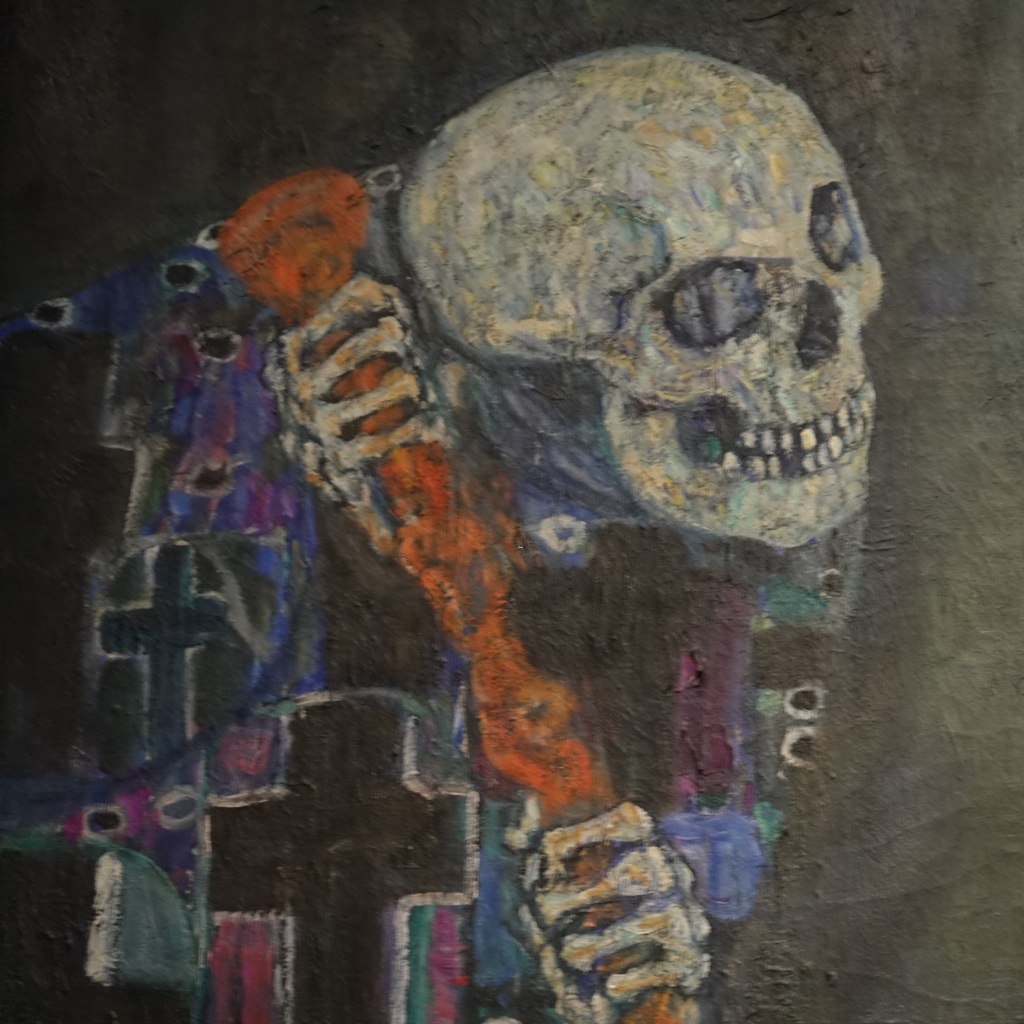
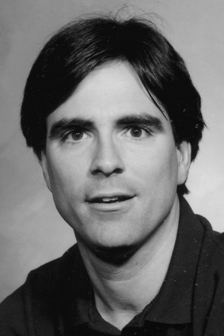

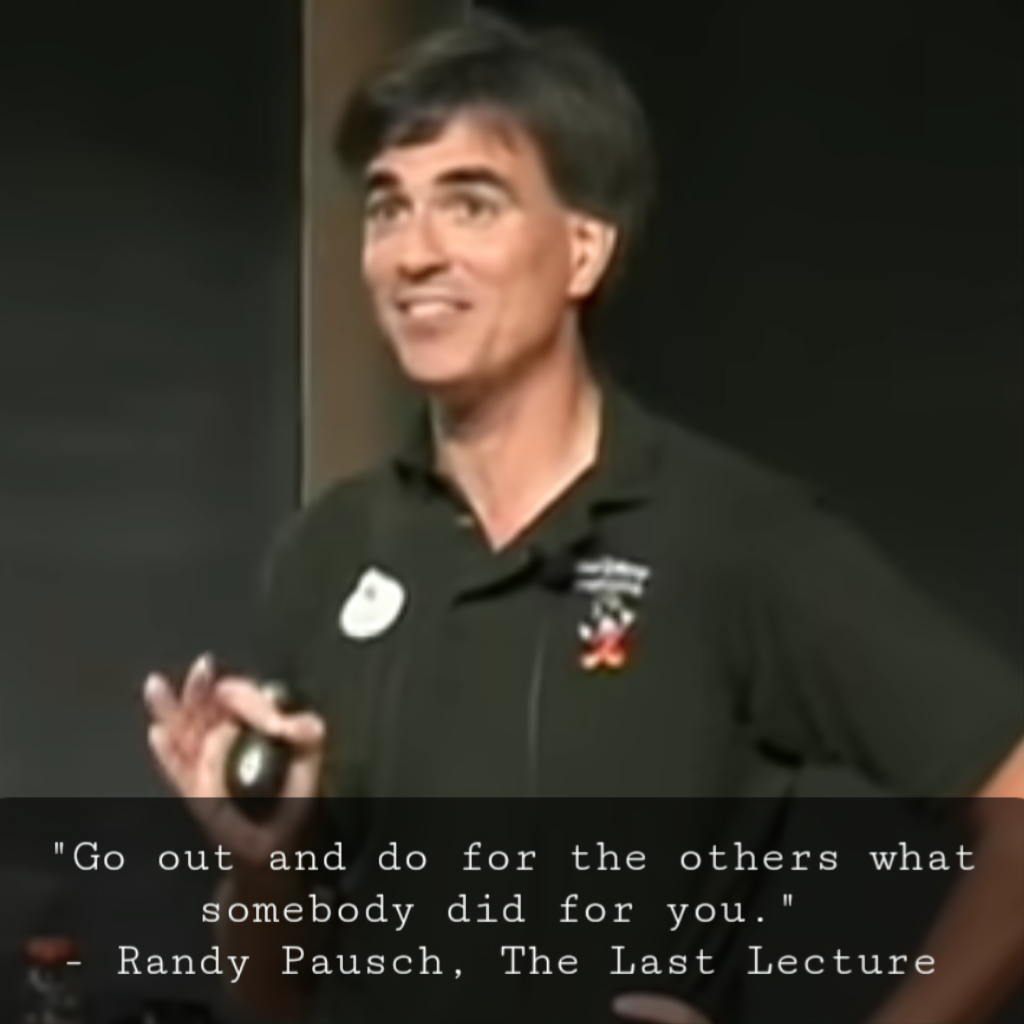
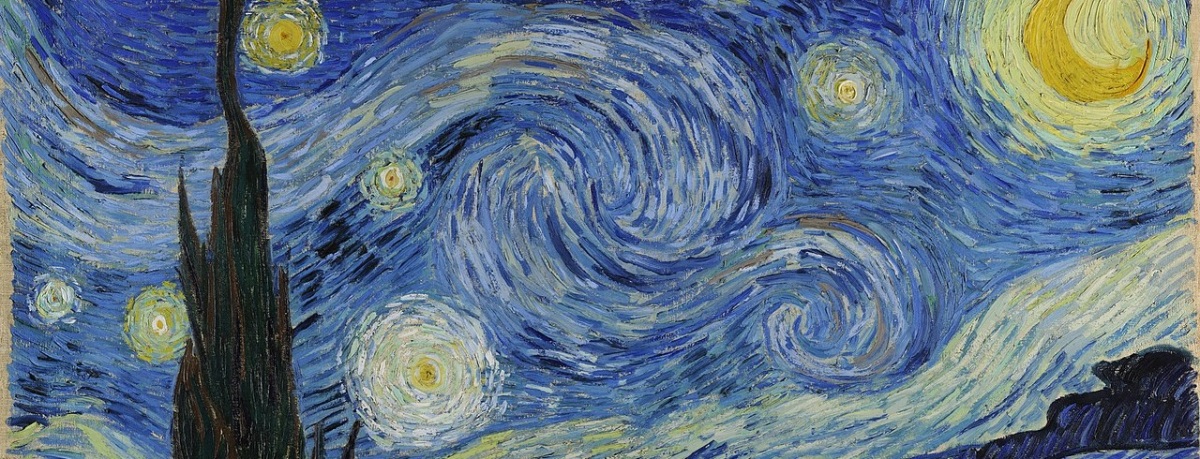


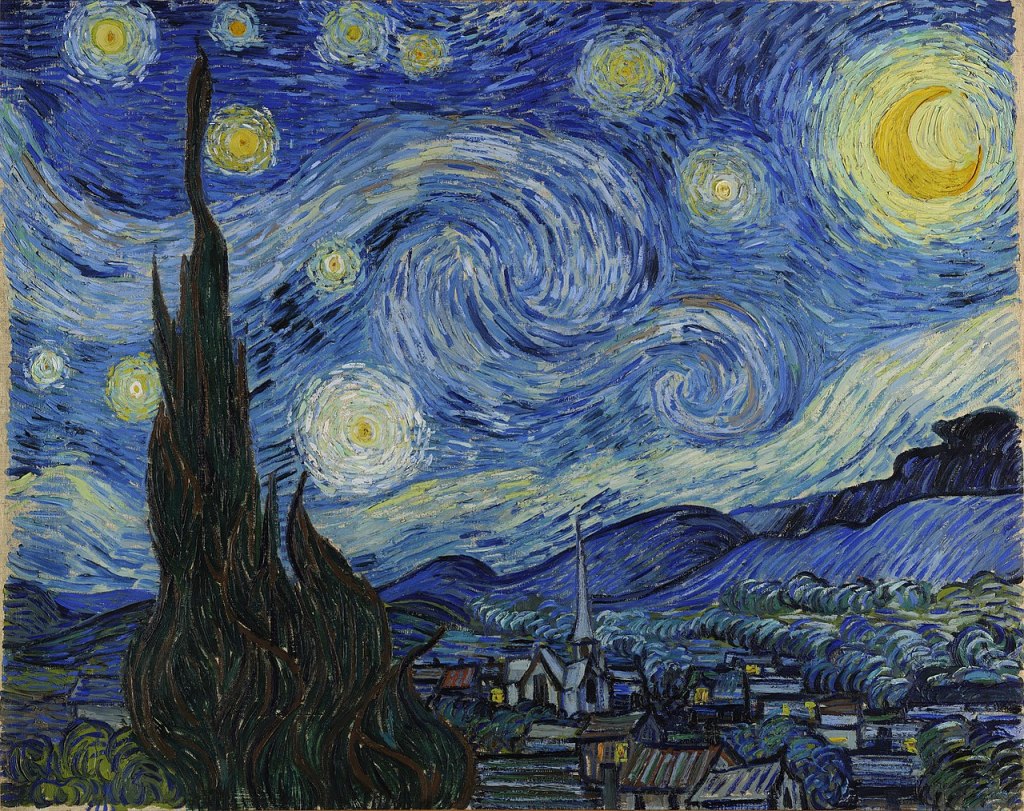

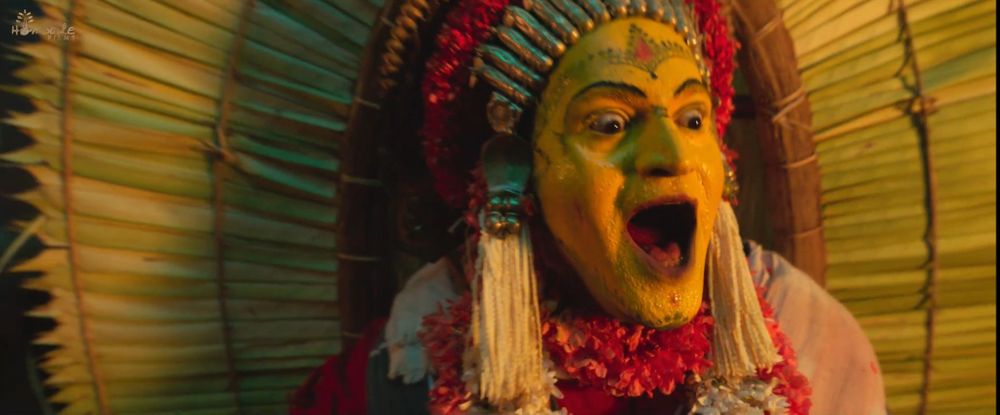
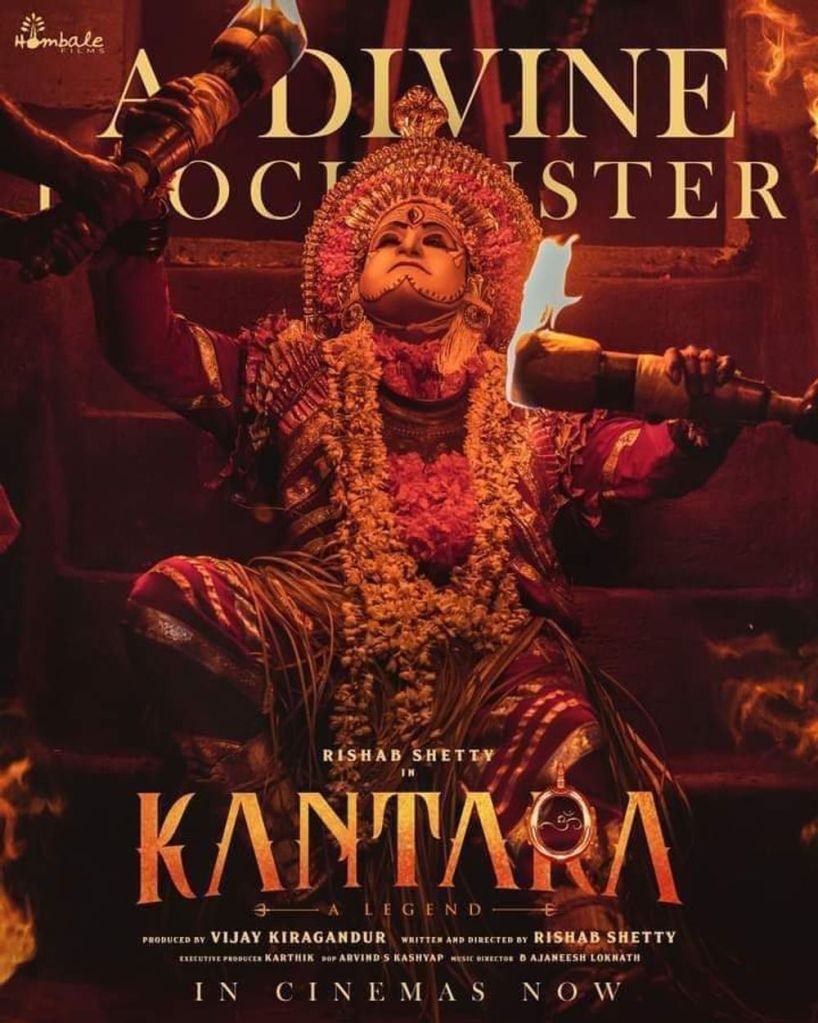
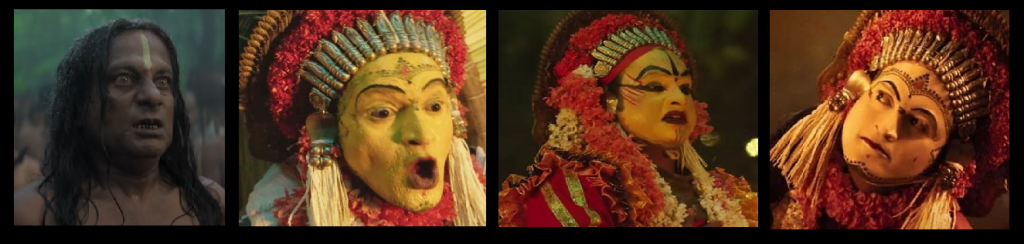
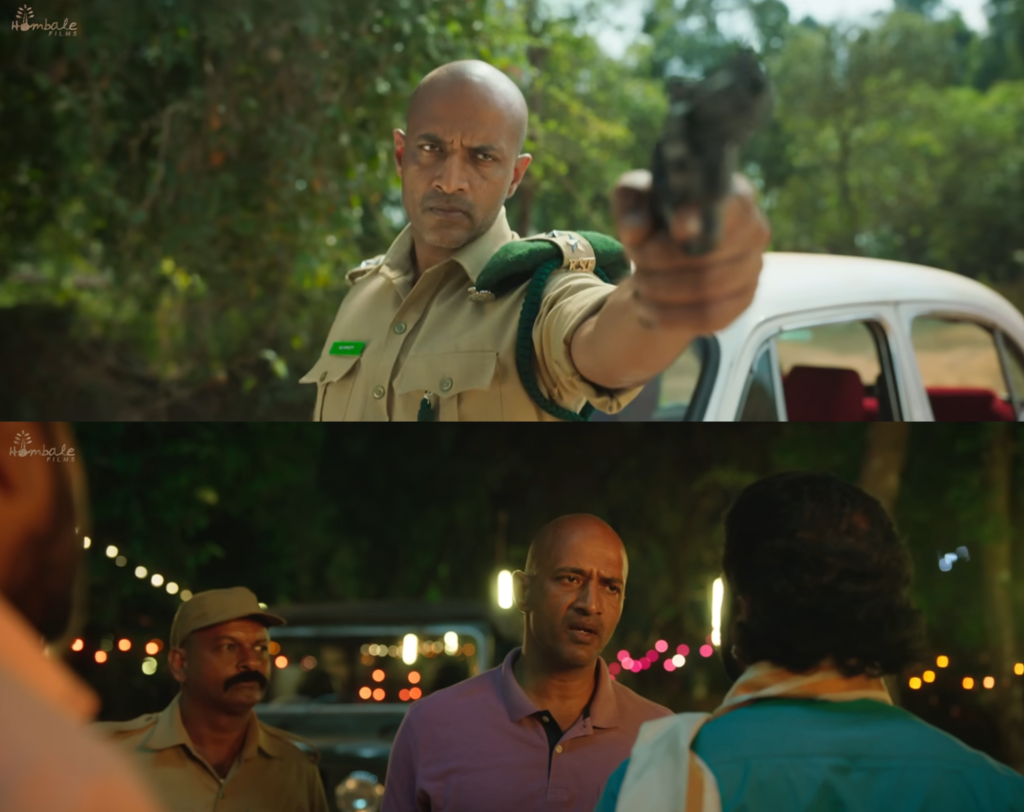
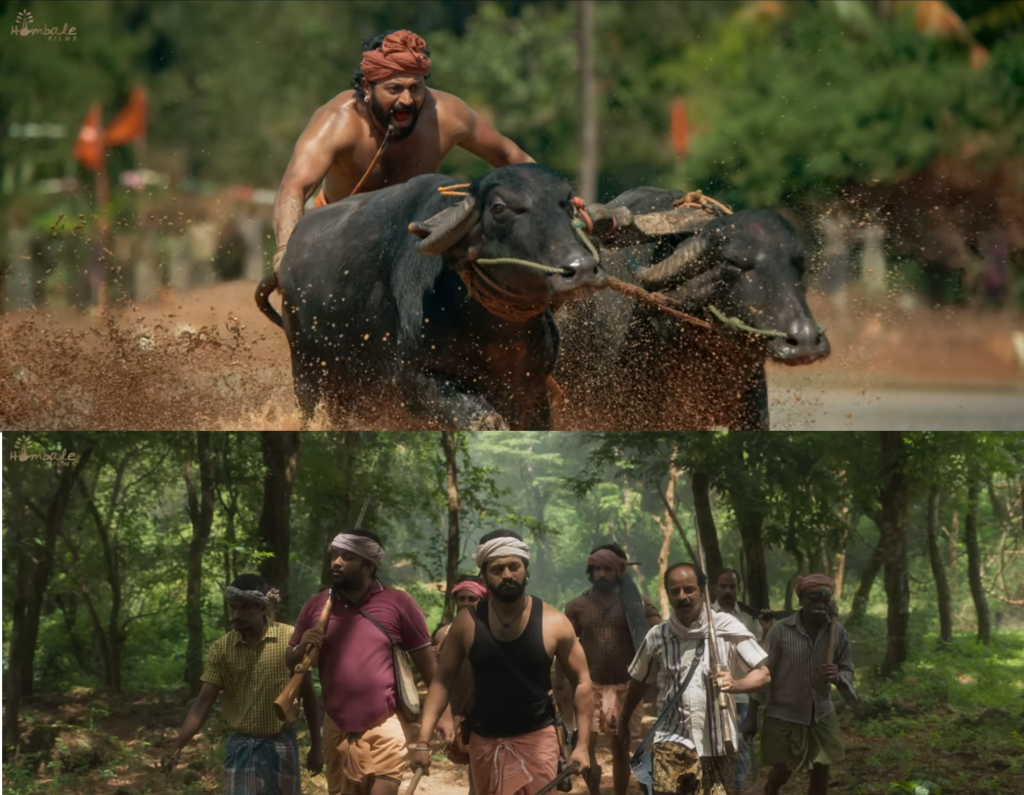


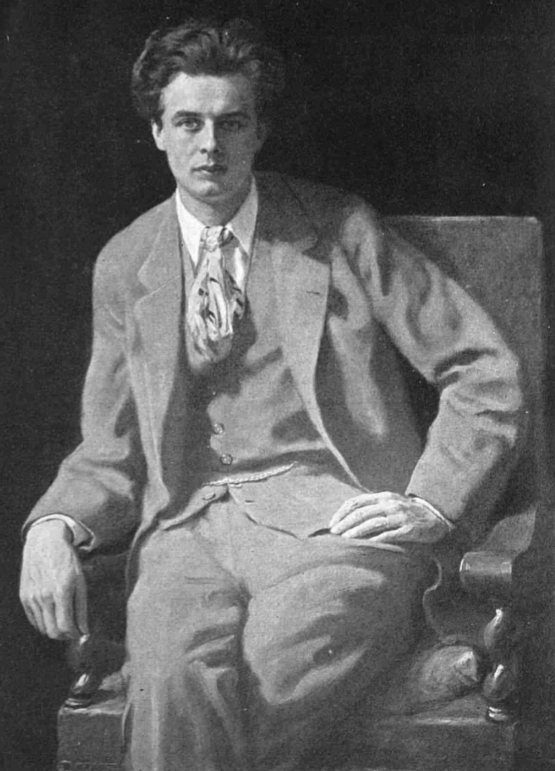

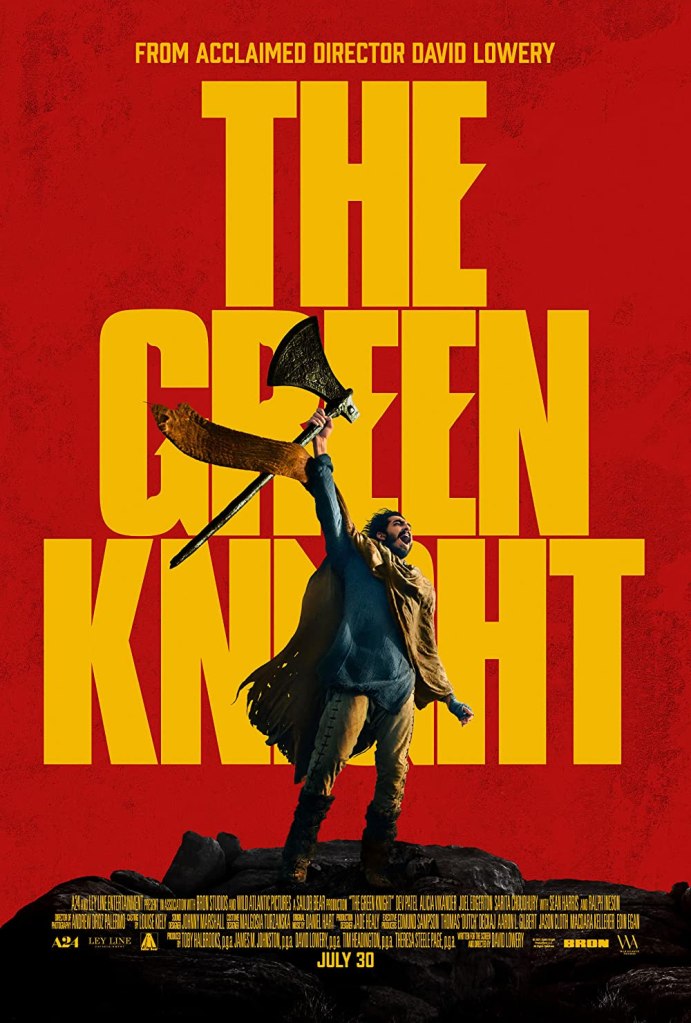
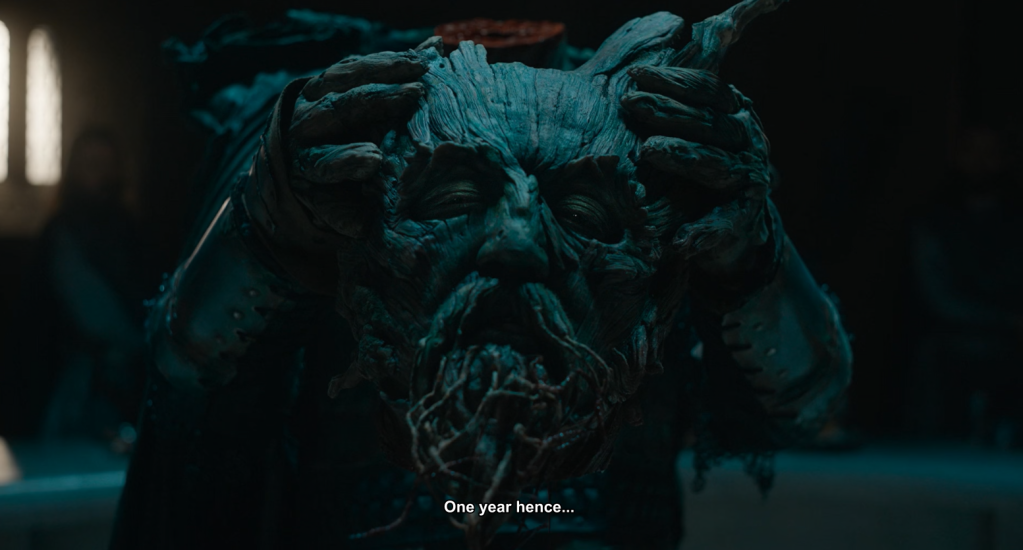
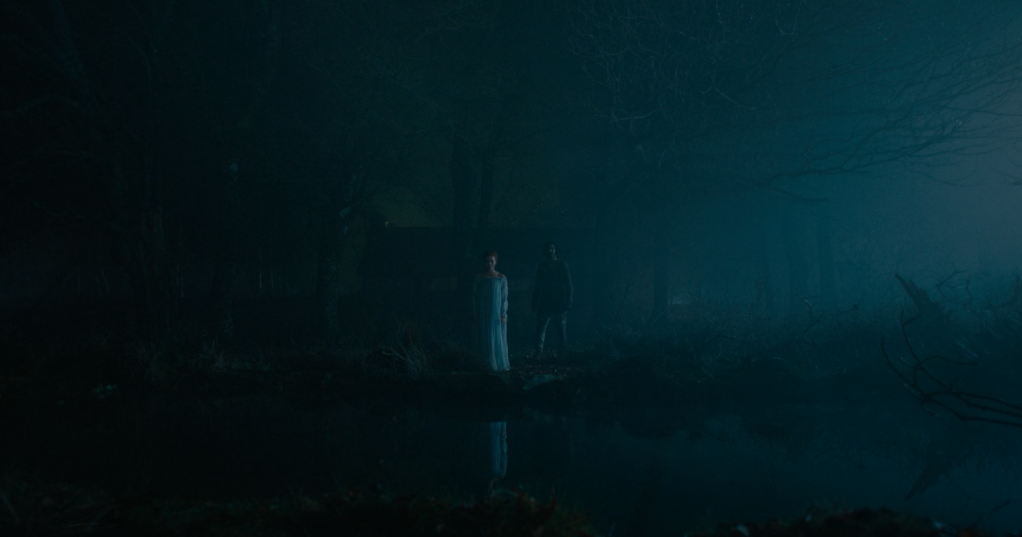
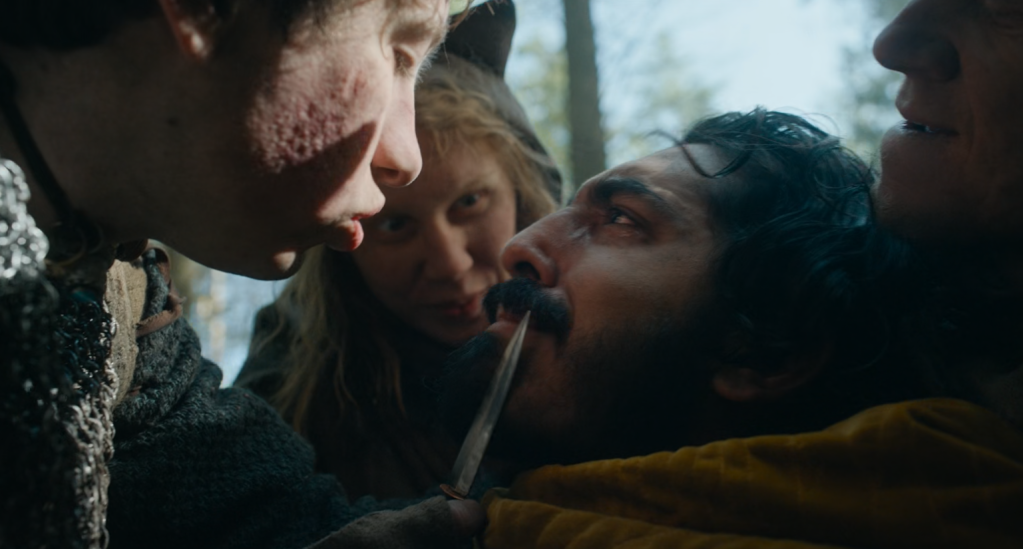
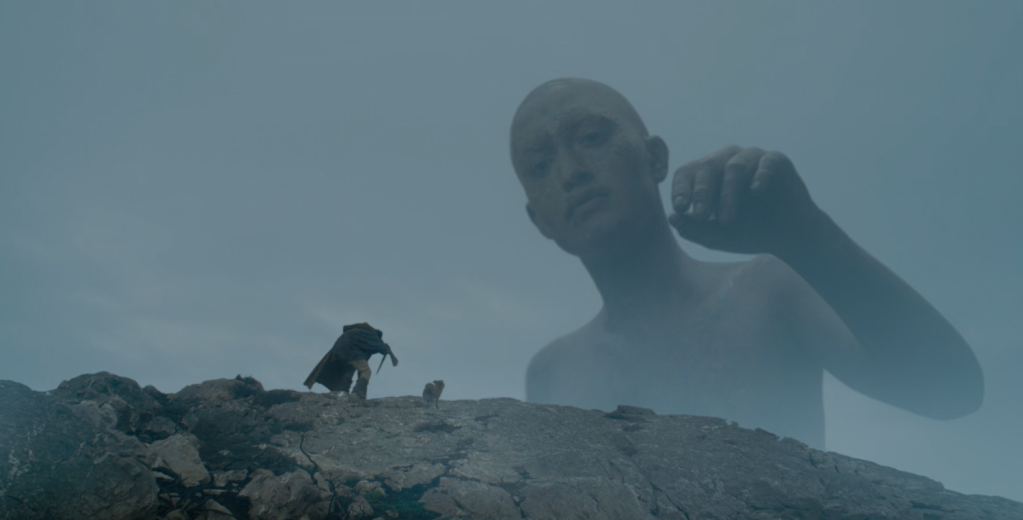
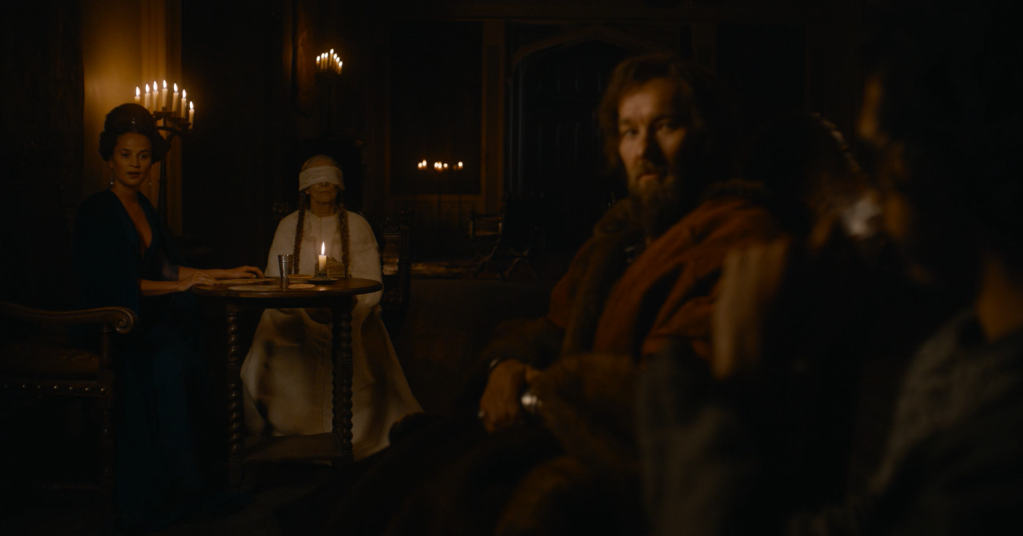
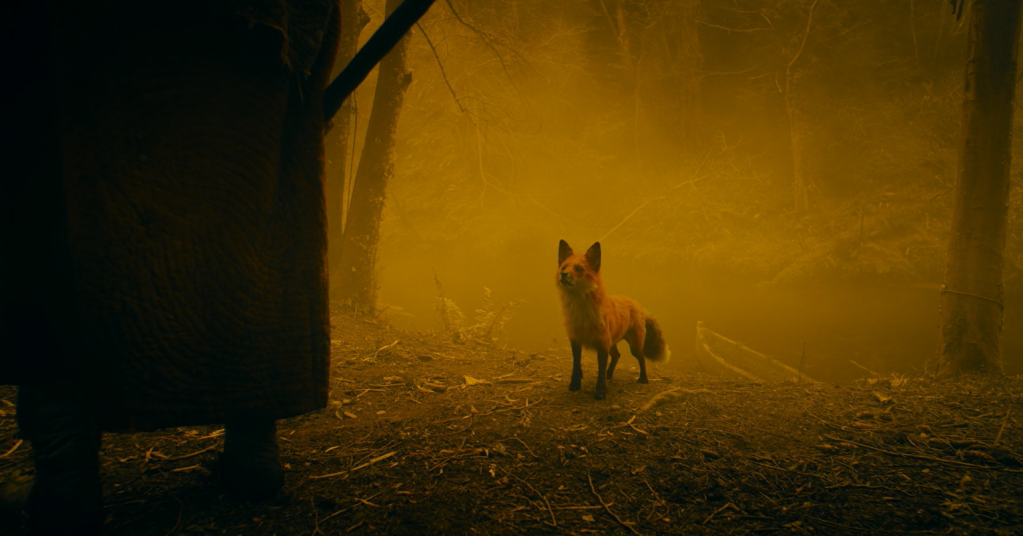
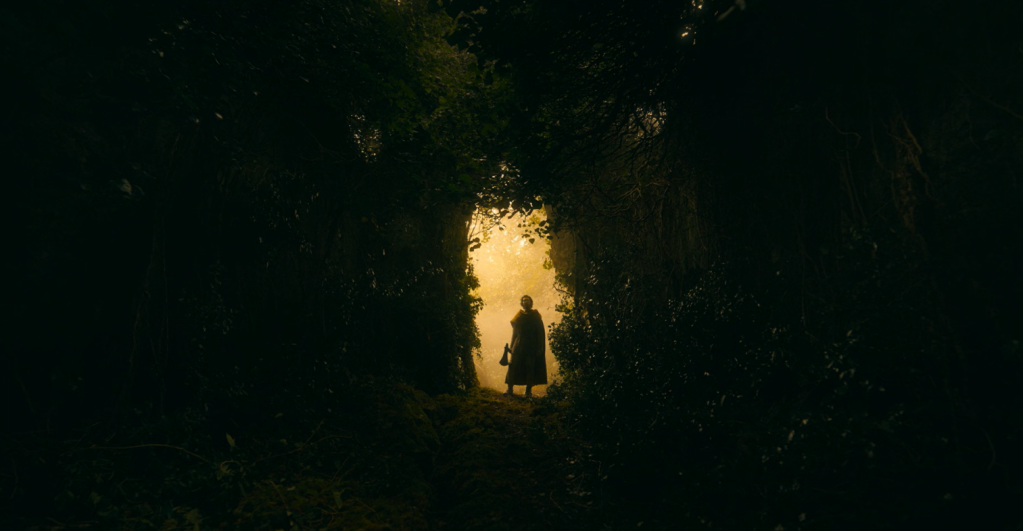
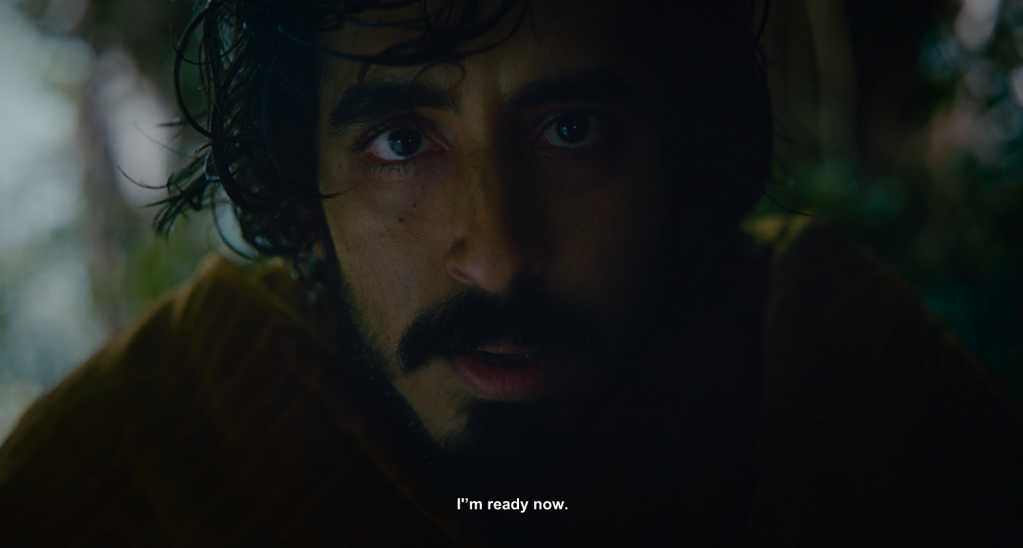
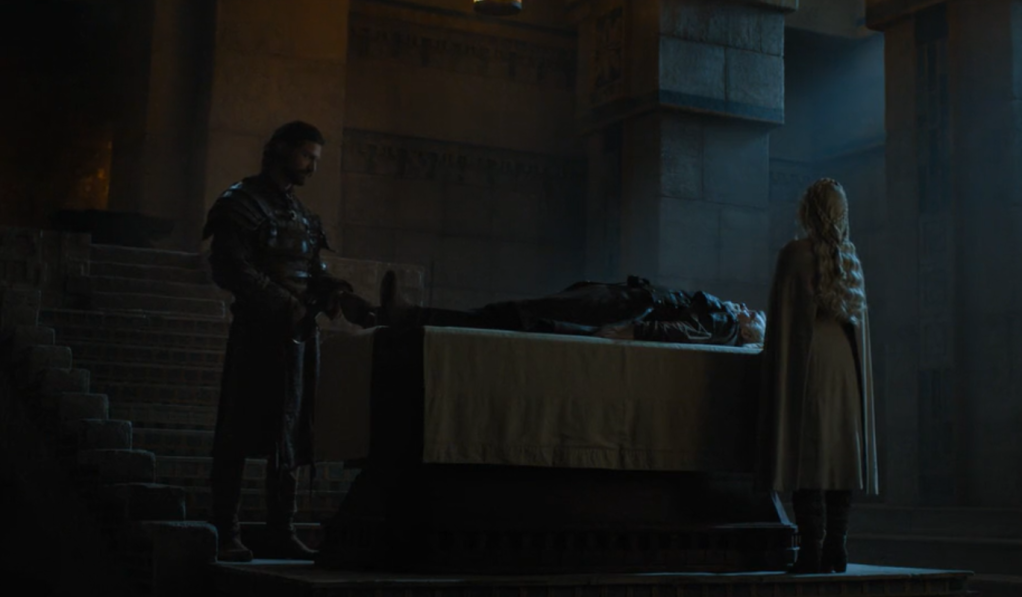

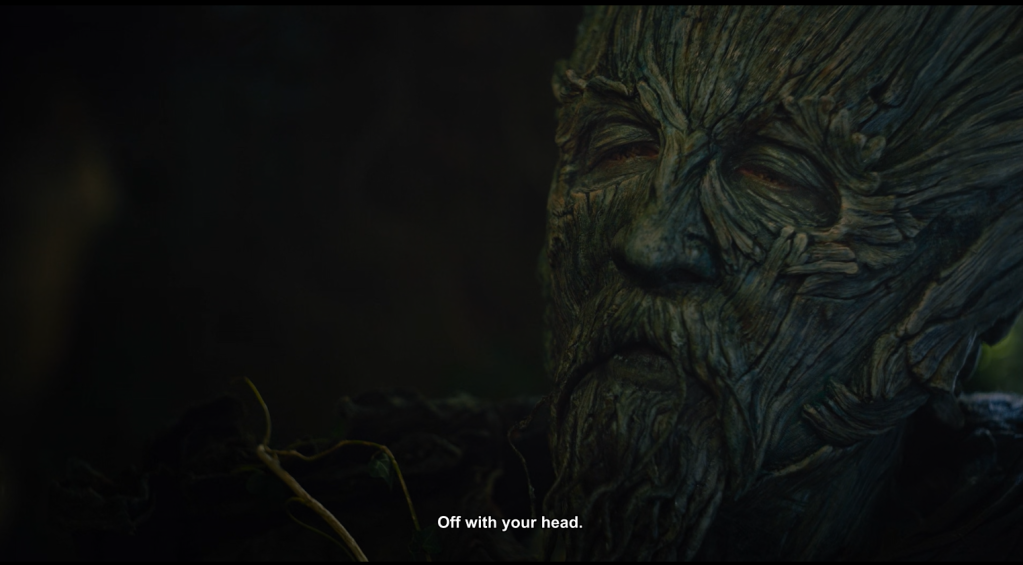
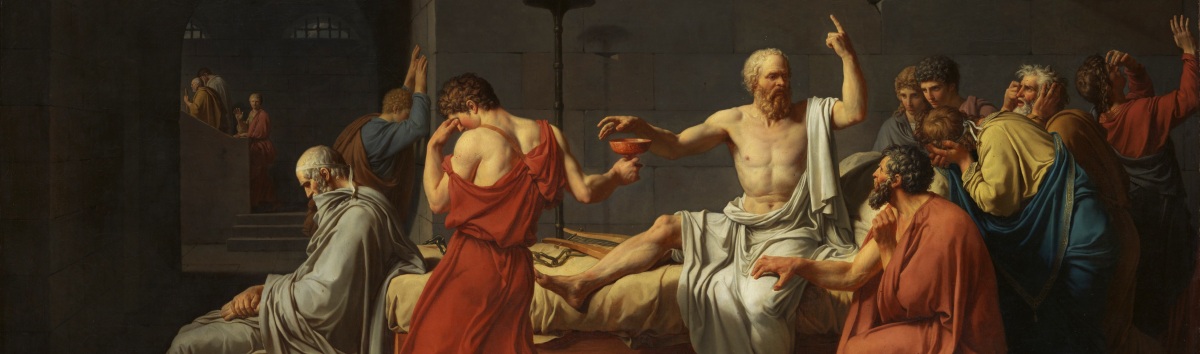
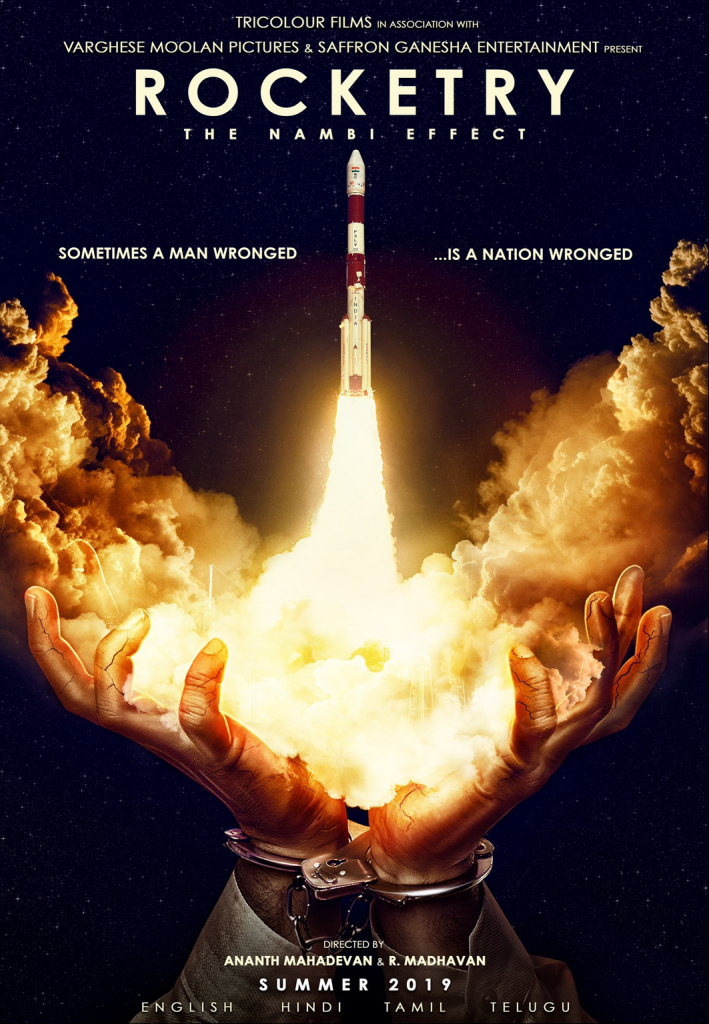



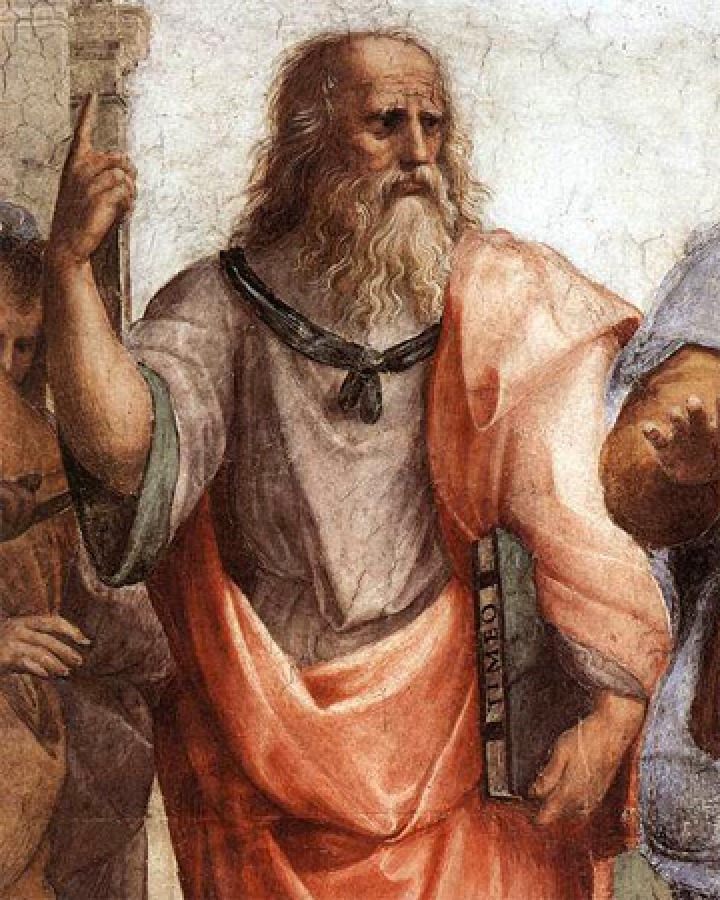
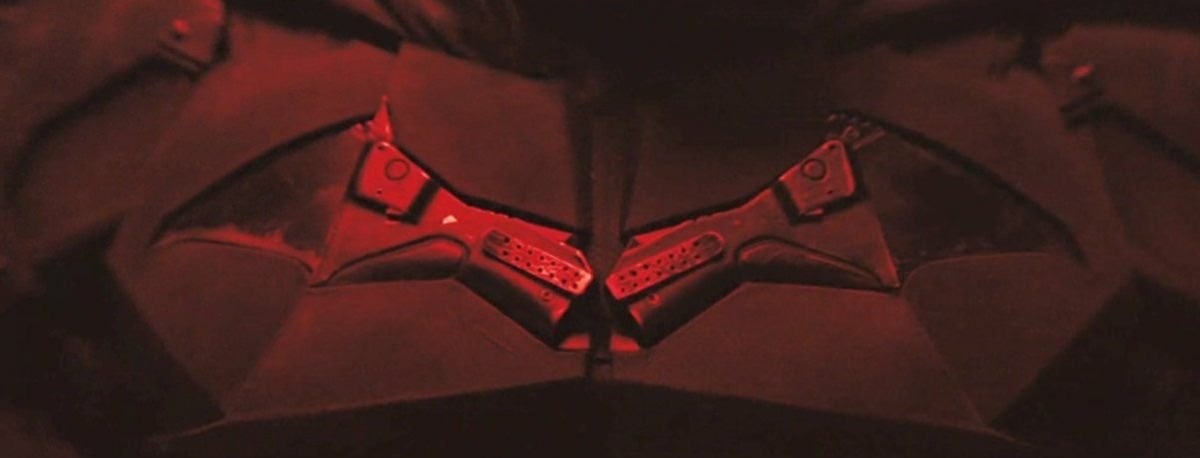
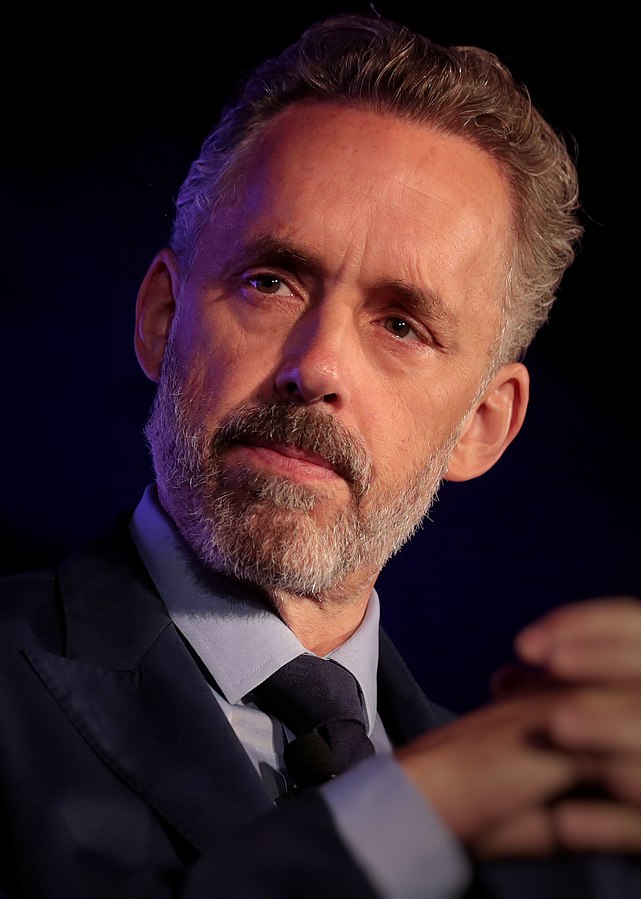
 Parts Per Billion